|
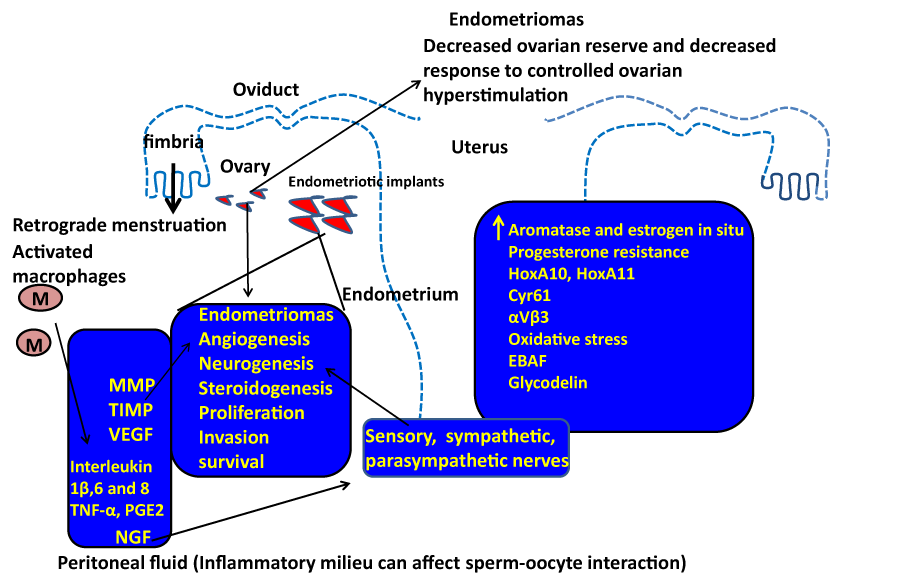
| Figure 1: Endometriosis pathophysiology. Endometrial tissue and cells attach to the peritoneal surfaces after retrograde menstruation and establish successful implantation with blood supply and nerve supply. PGE2 secretion by the endometriotic implants attracts macrophages and activated macrophages secrete inflammatory cytokines such as interleukin 1β, 6, 8 and TNF-α. Estradiol stimulation of endometriotic lesions to produce PGE2 and activates pain fibres by stimulating production of NGF. Misexpressed uterine EBAF contributes to the bleeding. Infertility results from progesterone resistance by ectopic endometrium and target genes such as HoxA10, HoxA11, and αVβ3 integrin are not upregulated altering embryo implantation. Inflammatory milieu in the peritoneal fluid affects sperm-oocyte interaction. Pathologic concentrations of PGE2 and vascular endothelial growth factor found in affected women inhibits sperm motility, acrosome reaction, and sperm-oocyte. Tumour necrosis factor (TNF); Matrix metalloproteinases (MMP); tissue inhibitor of MMP’s (TIMP); Prostaglandin (PG); Nerve growth factor (NGF); Vascular endothelial growth factor (VEGF); endometrial bleeding factor (EBAF). |
