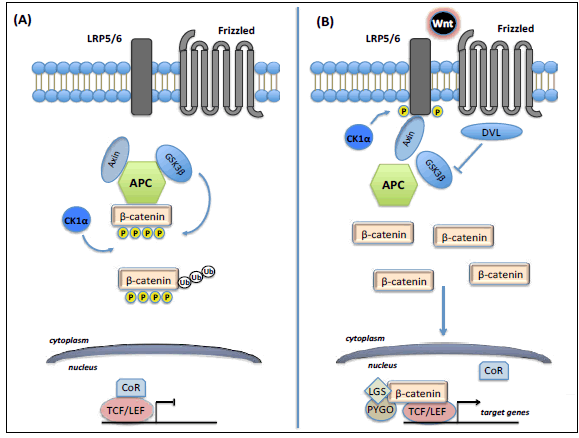
(A) In the absence of Wnt signaling, β-catenin is phosphorylated in N-terminal Ser/Thr residues and marked for degradation by a regulatory complex containing axin, adenomatous polyposis coli (APC), and the serine/threonine kinases casein kinase 1 α (CK1α) and glycogen synthase kinase 3β (GSK-3β). Binding of Wnt proteins to transmembrane Frizzled/LRP 5/6 receptors.
(B) Induces the stabilization of β-catenin by inhibiting the β-catenin regulatory complex. Stabilized β-catenin then translocate to the nucleus where it interacts with HMG-box containing TCF/LEF transcription factors, and activates transcription of target genes via the displacement of co-repressors (CoR) and the recruitment of transcriptional co-activators such as pygopus (PYGO) and legless (LGS).