Spanish
 Chinese
 Russian
 German
 French
 Japanese
 Portuguese
 Hindi
Research Article, J Biodivers Manage Forestry Vol: 15 Issue: 1
Examining Barriers in Integration of Collaborative Governance into Environmental and Social Impact Assessment in Karen Ward of Langata Sub-County of Nairobi County, Kenya
Innocent Charles Omondi Akendo*, Bessy Kathambi and Thuita Thenya
Department of Earth and Climate Sciences, Wangari Maathai Institute for Peace and Environmental Studies, University of Nairobi, Nairobi, Kenya
*Corresponding Author: Innocent Charles Omondi Akendo
Department of Earth and Climate Sciences, Wangari Maathai Institute for Peace and Environmental Studies, University of Nairobi, Nairobi, Kenya
E-mail: chomond@gmail.com
Received date: 02 February, 2026, Manuscript No. JBMF-26-193383; Editor assigned date: 05 February, 2026, PreQC No. JBMF-26-193383 (PQ); Reviewed date: 19 February, 2026, QC No. JBMF-26-193383; Revised date: 19 March, 2026, Manuscript No. JBMF-26-193383 (R); Published date: 26 March, 2026, DOI: 10.4172/2327-4417.1000079.
Citation: Akendo ICO, Kathambi B, Thenya T (2026) Examining Barriers in Integration of Collaborative Governance into Environmental and Social Impact Assessment in Karen Ward of Langata Sub-County of Nairobi County, Kenya. J Biodivers Manage Forestry 15:1.
Abstract
In the Global South's expanding urban landscapes, operationalizing collaborative governance within ESIA frameworks is essential for sustainable infrastructural planning, yet it consistently encounters structural and procedural disconnects. This study evaluates the barriers to collaborative governance within the ESIA framework in Karen Ward, Langata Sub-County, Nairobi County. Adopting a cross-sectional research design (N=426), the research measures cognitive awareness, procedural compliance, and demographic disparities in public engagement. The findings reveal a pervasive cognitive gatekeeping effect, with 55.4% of residents unfamiliar with collaborative governance approaches, alongside a high overall collaboration barriers score (Mean=3.91, SD=0.98). Factor analysis confirms that poor organizational coordination (0.86 loading) and lack of inclusion (0.80 loading) are primary systemic drivers of failure, reinforced by a strong correlation between excess bureaucracy and exclusion from decisions (r=0.61). Furthermore, stakeholder participation is heavily polarized: female residents report acute trust and power deficits (78%), while occupational gatekeeping excludes 84.8% of the employee class. In response to municipal service collapses, residents have established compensatory governance mechanisms, self-financing water, drainage, and recycling systems. The study concludes that the formal ESIA process operates largely as a technocratic ritual, underscoring the urgent need to transition toward a Co-Management framework that legally formalizes community-led resilience within statutory urban planning.
Keywords: Collaborative governance; ESIA; Karen ward; Stakeholder engagement; Compensatory governance; Institutional barriers
Introduction
The global pursuit of sustainable urban development relies heavily on the Environmental and Social Impact Assessment (ESIA) as an essential statutory mechanism to reconcile infrastructural expansion with ecological integrity and social equity. Within this regulatory sphere, collaborative governance conceptualized as a structured, consensus-oriented decision-making process involving state agencies, private project proponents, and non-state community actors is central to negotiating complex environmental trade-offs in urban planning [1,2]. In Kenya, the post-2010 constitutional dispensation underscored multi-agency coordination and mandatory public participation to address persistent challenges, including flooding, droughts, and the expansion of informal settlements [3]. However, the practical integration of collaborative principles into ESIA workflows remains constrained by deep operational, structural, and relational frictions [4,5].
The governance architecture guiding environmental assessment in Nairobi County is anchored in a comprehensive multi-tiered legal and policy scaffold. Nationally, the Constitution of Kenya (2010) under Articles 10, 69, and 174 establishes citizen participation, sustainable resource stewardship, and devolution as foundational governance values [6]. The Environmental Management and Co-ordination Act (EMCA Cap 387, amended 2015) operationalizes this constitutional mandate by establishing statutory procedures for ESIA and environmental audits under the oversight of the National Environment Management Authority (NEMA) [7]. At the sub-national level, these statutory requirements intersect with county instruments, including the Physical and Land Use Planning Act (2019), the Nairobi City County Solid Waste Management Act (2015), and the Nairobi County Integrated Development Plan (CIDP 2023-2027), which collectively mandate inclusive spatial planning, localized waste infrastructure, and multi-stakeholder participation [8,9].
Despite this extensive legal framework, a persistent implementation gap undermines collaborative environmental governance across Nairobi's rapidly urbanizing landscape [10]. The operationalization of collaborative governance is shaped by key variables, including cognitive literacy (community awareness of statutory instruments), institutional agility (mitigation of administrative bureaucracy and multi-agency overlap), relational capital (stakeholder trust and power symmetry), and demographic equity (access across tenure, gender, and occupational strata). In practice, multi-agency fragmentation and technocratic administrative gatekeeping often reduce statutory consultation to perfunctory, post-hoc public hearings that fail to share decision-making power or incorporate local knowledge [11-13].
Karen Ward in Langata Sub-County represents a critical urban frontline where these governance frictions are acutely manifested. Characterized by rapid land-use densification, large-scale commercial developments, and sharp socio-economic stratification spanning highincome property owners, middle-income tenants, and low-income informal settlement dwellers in Kuwinda the ward frequently experiences conflicts between statutory planning directives and community expectations. When formal administrative channels fail to deliver transparent oversight or essential utilities, the resulting institutional vacuum fosters cynicism and prompts residents to organize compensatory, community-financed governance mechanisms to manage waste, water, and stormwater systems [14-17].
Therefore, the primary objective of this study was to examine the cognitive, administrative, relational, and demographic barriers hindering the integration of collaborative governance into the ESIA process in Karen Ward, Langata Sub-County, Nairobi County, and to evaluate how the resulting institutional failures drive compensatory community adaptations, providing an empirical foundation for a statutory Co-Management model.
Literature review
Globally, collaborative environmental governance has evolved from adversarial administrative procedures toward network-based, deliberative arrangements that synthesize state authority with local stakeholder knowledge [2,5]. Analytical frameworks pioneered by scholars [18,19] emphasize that collaborative success requires institutional design, mutual trust, authentic commitment to the process, shared understanding, and balanced power dynamics [20,21]. In North American and European contexts, collaborative ESIA approaches have been shown to diminish protracted legal challenges, reduce project cost overruns by 10% to 15%, and elevate community satisfaction ratings above 40% [15,22,23]. However, global scholarship also warns that absent genuine power-sharing, collaborative structures risk turning into tokenistic exercises in elite co-optation [24,25]. Figure 1 below illustrates further on the non-CG vs. CG Impact in ESIA approaches.
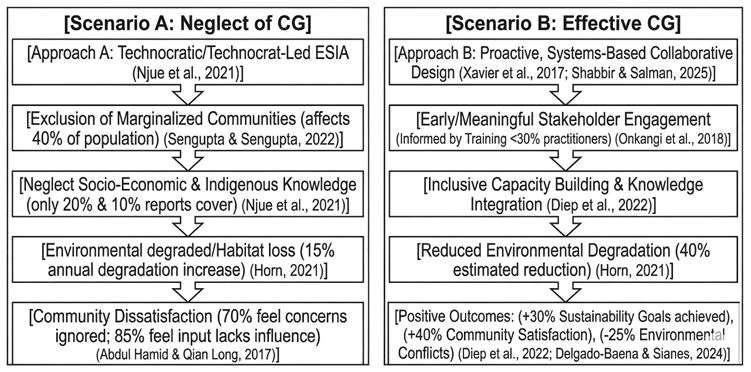
Figure 1: Non-CG vs. CG impact in ESIA approaches.
Across the African continent, the operationalization of collaborative governance in environmental management encounters distinct institutional and structural obstacles [26]. In South Africa, post-apartheid participatory frameworks frequently experience procedural inertia due to municipal capacity deficits and entrenched socio-economic divides [27,28]. In Ethiopia and Uganda, urban environmental planning studies in Addis Ababa and Kampala demonstrate that multi-agency fragmentation and technocratic dominance persistently marginalize grassroots community voices, converting statutory consultation into a perfunctory compliance exercise [29,30]. These regional experiences show that formal decentralization policies do not automatically democratize environmental decisions unless historical distrust, resource inequalities, and administrative gatekeeping are addressed [6,31].
In Kenya, the post-2010 devolution framework sought to decentralize environmental decision-making and entrench participatory governance [6,17]. Nonetheless, national and regional empirical assessments indicate that less than 15% of urban development undertakings achieve meaningful collaborative integration during the ESIA cycle [32]. The urban governance arena in Nairobi is characterized by bureaucratic overlapping, where up to seven independent state agencies including NEMA, the Nairobi City County Urban Planning Directorate, the Water Resources Authority (WRA), and the Kenya National Highways Authority (KeNHA) operate with fragmented mandates and insufficient coordination [8,33]. This institutional overlap creates administrative delays where the average ESIA review takes up to 18 months, while public consultation occurs in only 35% of registered projects, and meaningful community-driven design adjustments occur in less than 15% (Table 1) [7,10,11].
| Legal/Policy instrument | Collaborative governance and ESIA provisions | Institutional challenges identified |
| Constitution of Kenya | National values of governance; mandatory citizen participation; constitutional right to a clean and healthy environment | Lacks direct procedural enforcement mechanisms; public consultations often executed as superficial compliance steps [10,32]. |
| EMCA Cap 387 | Statutory framework for environmental and social impact assessments and environmental audits administered by NEMA | High technical jargon; limited public access to complete project dossiers; minimal budget allocated to grassroots engagement (<5%) [12,16]. |
| Physical and Land Use Planning Act | Regulates spatial zoning, development permissions, and mandatory public notice for land-use conversions | Institutional disconnect between County spatial planning approvals and NEMA environmental licensing procedures [13,27]. |
| Nairobi City County Solid Waste Management Act | Mandates county waste collection, environmental infrastructure, and collaborative public-private partnerships | Severe service delivery gaps; municipal under-resourcing leading to proliferation of unregulated mini-dumpsites [9,34]. |
| Nairobi County Integrated Development Plan | Framework for multi-stakeholder participation in ward-level spatial development, water management, and urban resilience | Centralized county administration; weak integration of registered resident associations into project monitoring cycles [11,31] |
Table 1: Statutory and policy frameworks governing collaborative ESIA in Nairobi County.
Theoretical and empirical literature identifies three primary failure points in the collaborative ESIA pipeline. First, cognitive gatekeeping occurs when regulatory agencies communicate project impacts through highly technical documentation, creating an asymmetric information barrier that alienates local citizens. Second, structural and administrative bureaucracy generates severe procedural drag, creating an implementation gap where citizen input is gathered late in the planning cycle without feedback loops. Third, deep socio-economic stratification manifested through housing tenure, gender biases, and class hierarchies restricts access to public consultation spaces, routinely privileging commercial developers and property owners over informal residents and the working class [29,35]. In peri-urban Nairobi, these failures frequently undermine the social license to operate, fostering cynicism and prompting affected communities to build alternative, compensatory self-governance systems [14-17]. Figure 2 below illustrates how the barriers detailed above lead to a persistent implementation gap. This diagram visually integrates the fragmented agencies, resource gaps, and low engagement.
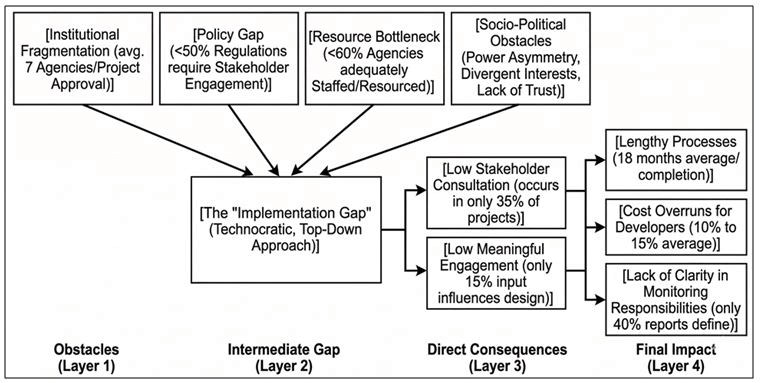
Figure 2: Barriers to CG in ESIA context [7,11,12,31] .
Materials and Methods
The research employed a cross-sectional design to capture both quantitative and qualitative details in resident perceptions. The quantitative phase evaluated the distribution, prevalence, and statistical relationships among governance barrier variables, while the concurrent qualitative phase gathered contextual narratives through key informant interviews and visual field observations to explain the mechanisms driving institutional dysfunction and compensatory community responses.
Study area
The research was conducted in Karen Ward, located within the Langata sub-county of Nairobi county, Kenya. This area was selected due to its unique demographic profile, which includes a mix of high-income owner-occupiers, middle-income renters, and lower-income residents in areas such as Kuwinda. The ward is characterized by active development projects that require rigorous ESIA processes, making it a critical site for observing the friction between formal governance and community expectations. Karen also has an active civil society and organized neighborhood structures (such as the Karen and Langata District Association-KLDA) that regularly interact and sometimes clash with statutory agencies (NEMA, Nairobi City County, Nairobi City Water and Sewerage Company) over compliance.
Figure 3 below depicts the study area.
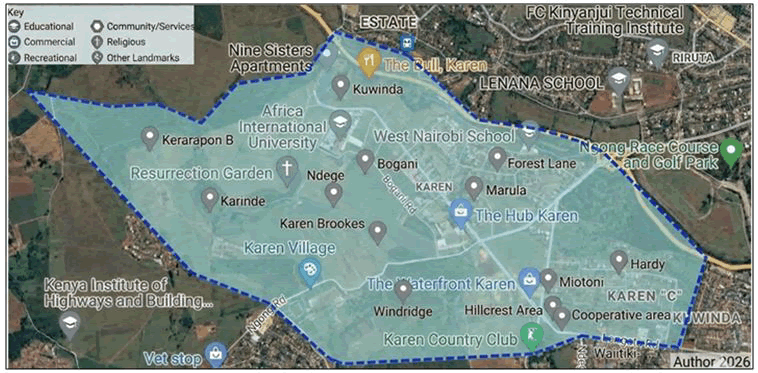
Figure 3: Geographical map of Karen Ward, Langata Sub-County, Nairobi. (Source: Author, generated using Google Earth spatial boundary data and IEBC administrative boundaries).
Sampling design
A multi-stage sampling technique was utilized to ensure a representative cross-section of the ward's population. A total of 426 respondents participated in the study. The population was stratified by housing tenure, including owner-occupiers, renters, and those in staff quarters, as well as by occupation, covering employers/business owners, public servants, employees, and religious or volunteer workers. Simple random sampling was applied within these specific strata to minimize selection bias and ensure that marginalized groups, such as the employee class, were adequately captured.
Data collection
Primary data was collected through a structured survey instrument distributed to residents. The quantitative component utilized a 5-point Likert scale to derive the collaboration barriers score, assessing variables such as organizational skills, inclusion, and trust. This was complemented by a qualitative component consisting of open-ended questions designed to capture lived experiences, allowing residents to articulate the public participation deficit in their own words. Furthermore, field observations and visual documentation were conducted in Bogani, Ndege road, and Kuwinda estate to record physical evidence of compensatory governance, such as private water supply systems and community-led recycling initiatives.
Data collation and entry
Following the field phase, the raw data underwent a collation process where surveys were audited for completeness and consistency. Validated responses were coded and entered into a digital database for structured management. Qualitative responses were transcribed and categorized based on thematic prevalence, focusing on recurring issues such as trust deficits and power imbalances to ensure a comprehensive transition from raw field notes to analyzable data.
Data analysis
The analysis was performed using R studios to uncover the demographic and geographic drivers of collaboration barriers. Descriptive statistics, including means, standard deviations, and medians, were calculated for composite scores. Factor Analysis, specifically Principal Component Analysis (PCA) with Varimax rotation, was used to validate the collaboration barriers scale, ensuring a high internal consistency of α=.90. Inferential statistics included a Kruskal-Wallis H test with post-hoc pairwise comparisons to determine differences in perception based on tenure, while Chi-square tests established associations between education levels, trust barriers, and participation rates. Finally, a correlation matrix was generated to visualize the reinforcing links between variables like excess bureaucracy and exclusion.
Validity and reliability
To ensure the robustness of the findings, the study employed triangulation by comparing survey data with field observations and qualitative interviews. The high factor loadings, which ranged from . 77 to .86 for the barrier items, confirmed that the instrument accurately measured the underlying constructs of systemic organizational failure and social exclusion. This multi-layered approach ensured that the results were both consistent and reflective of the actual conditions on the ground.
Ethical considerations
The research adhered to strict ethical protocols throughout the process. Informed consent was obtained from all participants prior to data collection, and anonymity and confidentiality were strictly guaranteed. This was particularly important for respondents discussing sensitive topics such as institutional mistrust. Additionally, participants were informed of their voluntary participation and their right to withdraw from the study at any point without penalty.
Reporting
The findings are presented through a combination of descriptive narratives, statistical tables, and data visualizations, including charts and correlation matrices. The final report synthesizes these elements to move from raw data to thematic insights, highlighting critical phenomena such as the cognitive gatekeeping effect and the emergence of compensatory governance within the ward.
Results
Components of collaboration barrier
Familiarity with collaborative governance approaches: The baseline assessment evaluated the level of resident awareness regarding collaborative governance principles within the study area. As illustrated in Figure 4, a majority of respondents (55.4%, n=236) indicated that they were not familiar with collaborative governance approaches. This widespread unfamiliarity establishes a foundational cognitive barrier at the community level, limiting public understanding of participatory rights and collaborative decisionmaking structures prior to project inception.
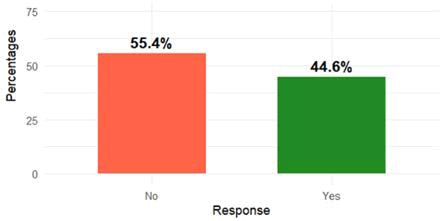
Figure 4: Familiarity with collaborative governance approaches (N=426).
Awareness of collaborative ESIA mechanisms: In addition to general governance concepts, the study examined public familiarity with specific statutory tools and mechanisms utilized during the ESIA review process. The results presented in Figure 5 show a corresponding deficit, with 58.2% (n=248) of respondents reporting a lack of awareness regarding formal ESIA engagement platforms, public notice protocols, and statutory feedback procedures. This finding demonstrates a specific procedural knowledge gap, where community members are expected to contribute to impact assessments without adequate familiarity with the regulatory tools designed for their engagement.
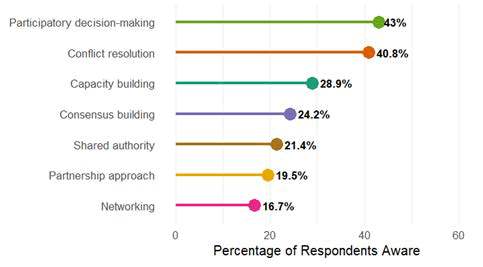
Figure 5: Awareness of collaborative ESIA mechanisms (N=426).
Composite collaboration barriers score: To quantify the perceived magnitude of these combined obstacles, a composite collaboration barriers score was computed across the survey items. As detailed in Table 2, the composite score yielded an overall mean of M=3.91 (SD=0.98) and a median of 4.00 on a 5-point Likert scale.
| Variable | N | Mean (M) | Std. Deviation (SD) | Median | Minimum | Maximum |
| Collaboration barriers score | 426 | 3.91 | 0.98 | 4 | 1 | 5 |
| Note: Scores are based on a 5-point Likert scale (1=Strongly disagree to 5=Strongly agree). A mean score>3.0 indicates affirmative agreement with the existence of barriers | ||||||
Table 2: Descriptive statistics for composite collaboration barrier scores (N=426).
Because the composite mean (M=3.9) is well above the theoretical midpoint of 3.0, the descriptive data demonstrate a consistent consensus among Karen Ward residents that substantial structural and operational impediments hinder effective stakeholder collaboration throughout the ESIA cycle.
Addressing barriers (Community prioritization)
Table 3 depicts that respondents assigned a high priority to "Addressing collaboration barriers," reflecting a strong community consensus that overcoming functional exclusion is an urgent governance issue.
| Parameter | Mean rank (M) | Std. Deviation (SD) | Median | Priority level |
| Addressing collaboration barriers | 2.45 | 0.71 | 3 | High |
| Note: N=426. Ranking scale: 1 (Least important) to 3 (Most important) | ||||
Table 3: Community prioritization of governance improvements.
The mean rank value of 2.45 signifies that collaboration barriers were, on average, ranked close to the most important (3) on a prioritization scale. The mean rank falls on the upper half of this scale, indicating a strong collective preference. In essence, the community considers actively addressing collaboration barriers as a high-priority issue that ranks near the top of the suggested areas for improvement.
This urgency is rooted in the widely reported "Public participation deficit." Qualitatively, residents articulated the required solution as a demand for genuine engagement, stating they "never been invited to participate in any public consultations" and emphasizing the imperative for institutional actors to "Waongee na watu kwanza, tuwajue" (Talk to people first, so we know them).
Owner-occupiers perceive higher barriers
The analysis of housing tenure clearly identified owner-occupiers as the group with the highest perceived barriers to collaboration. Posthoc pairwise comparisons, following a significant Kruskal-Wallis H test, confirmed this finding: Owner-occupiers perceived significantly higher obstacles to collaboration (Mean rank=215.75) than both renters (Mean rank=170.21, p=.004) and those living in staff quarters (Mean rank=165.40, p=.009) (Table 4).
| Dependent variable | Comparison groups (Demographic) | Test statistic | Std. error | p-value |
| Collaboration barriers | Owner-occupier vs. renter | 45.54 | 15.41 | 0.004 |
| Owner-occupier vs. staff qtrs | 50.35 | 18.12 | 0.009 | |
| Renter vs. staff qtrs | 4.81 | 17.55 | 0.784 | |
| Note: Significance level set at p<.05. Only pairwise comparisons reported as significant are shown | ||||
Table 4: Pairwise comparisons of barrier perception by housing tenure.
Importantly, the perception of barriers was statistically equivalent between renters and staff quarters residents (p=.784). This indicates that the perception gap is primarily rooted in property ownership, suggesting that residents with a greater vested financial interest in the community hold a more critical and acute view of collaboration failures.
Systemic failures (Factor analysis of barriers)
The robustness of the collaboration barriers score established and validated through factor analysis. The scale's underlying factor accounted for 65.9% of the total variance, with a high internal consistency of Cronbach's α=.90.
Before analyzing the underlying factors, an examination of specific obstacles reveals the scale of the challenge. As detailed in Figure 6, Poor collaboration skills (68.5%) and low stakeholder trust (61.7%) were the most frequently cited impediments. These raw frequencies align with the subsequent factor analysis, confirming that the community perceives both a lack of capacity and a deficit of trust as the primary hurdles.
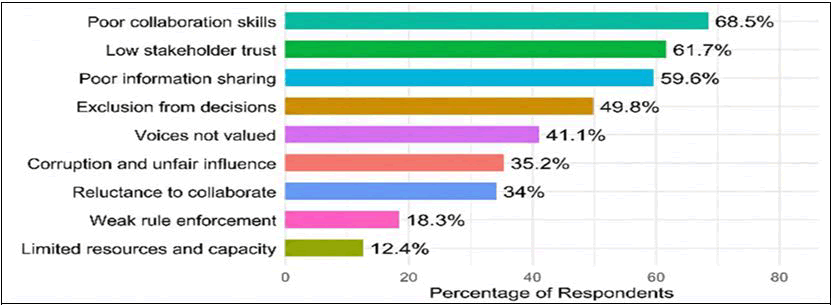
Figure 6: Prevalence of specific collaboration barriers cited by residents.
The core barriers to collaborative governance in Karen Ward projects stem from systemic organizational and equity failures. As detailed in Table 5, the strongest items contributing to the score relate directly to flaws in process and fair treatment.
| Item descriptor | Question item | Factor loading |
| Poor organizational coordination/skills | Q28c | 0.86 |
| Unclear or conflicting rules/laws | Q28b | 0.83 |
| Lack of inclusion and power imbalances | Q28d | 0.8 |
| Lack of trust and past negative experiences | Q28a | 0.78 |
| Bureaucracy and slow processes | Q28e | 0.77 |
| Note: Extraction method: Principal component analysis. Rotation method: Varimax with Kaiser normalization. Internal consistency Cronbach's a=.90 | ||
Table 5: Factor loadings for the collaboration barriers scale.
The strong emphasis on lack of inclusion and power imbalances (Factor loading=.80) highlights that the perceived barriers are relational and structural. This issue is highly weighted alongside concerns about poor organizational coordination/skills (Factor loading=.86), suggesting that the inability of organizational actors to manage projects effectively (coordination) is inextricably linked to their failure to integrate community members fairly (inclusion).
To empirically validate this inextricable link between operational failure and social exclusion, a correlation analysis was conducted, as visualized in the correlation matrix (Figure 7). The results confirm that barriers do not exist in isolation but actively reinforce one another, moving the analysis from a list of isolated problems to a network of reinforcing obstacles. Most notably, the strong positive correlation between excess bureaucracy and exclusion from decisions (r=0.61) confirms the "how" of marginalization: Administrative complexity serves as a gatekeeping mechanism that physically and technically prevents resident participation this bureaucracy "is strongly associated with" or "facilitate" exclusion, rather than "causes" it. This systemic interconnection is further supported by Figure 8, which illustrates the significant gender disparity in perceiving governance barriers; specifically, female respondents systematically report higher rates of trust deficits and exclusionary practices, reinforcing the strong exclusion-trust link observed in the correlation matrix.
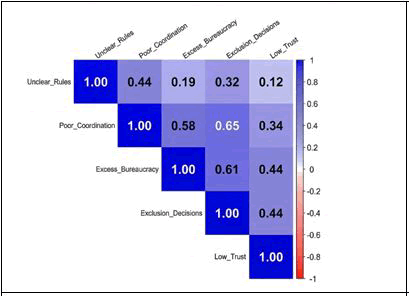
Figure 7: Correlation matrix of ESIA collaborative governance barriers.
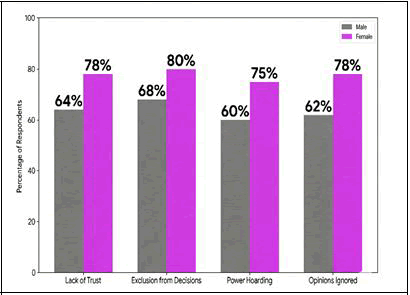
Figure 8: Gender disparity in the perception of systemic governance barriers.
Educational correlates
The association between education level and identifying relational shortcomings as collaboration barriers is highly significant. Specifically, 74.0% of respondents with higher learning cited lack of trust and past negative experiences as a key barrier, compared to only 41.4% of those with primary education (Table 6).
|
Education level |
Cited ‘Lack of trust’ (%) |
Did not cite ‘Lack of trust’ (%) |
|
Primary |
41.40% |
58.60% |
|
Secondary |
55.60% |
44.40% |
|
Higher learning |
74.00% |
26.00% |
|
Note: N=426. ?2(2)=14.21, p<.001 |
||
Table 6: Association between education level and perception of trust barriers.
This trend (χ2(2)=14.21, p<.001) demonstrates that increased educational attainment is associated with a sharper focus on the relational and historical failures that impede effective collaborative governance. More educated residents are substantially more likely to attribute collaborative breakdown to deep-seated issues like broken trust rather than merely observing the outward effects of dysfunction.
Overall prevalence and demographic divergence
While Figure 6 presented the average severity of barriers across the entire population, these aggregate figures mask a deep polarization in how these obstacles are experienced. As illustrated in Figure 7, gender acts as a significant moderator of barrier perception (Figure 9).
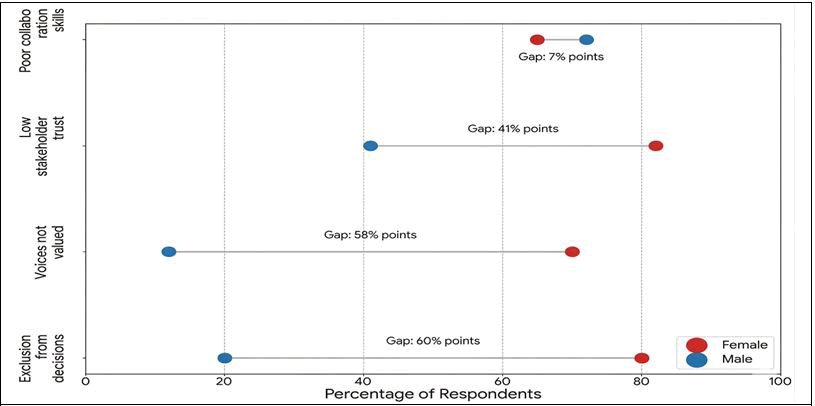
Figure 9: Stakeholder perception gap (N=426), illustrating the significant divergence between male and female residents regarding relational barriers.
The visualization reveals a striking pattern: For procedural issues like poor collaboration skills, the gap between genders is minimal. However, for relational issues such as exclusion from decisions (Gap: 60% points) and voices not valued (Gap: 58% points), the divergence is massive. This confirms that while men perceive the barriers as logistical, women experience them as systemic exclusion.
The initial assessment of the Karen Ward community reveals a near-universal recognition of governance failures. An overwhelming majority of respondents (88%, N=426) acknowledged the existence of significant barriers to collaboration within the ESIA process, with only 12% reporting a lack of awareness (Figure 10). This high baseline indicates that the challenges facing the ESIA process are not obscure administrative technicalities, but tangible, widely recognized impediments to community life.
However, this aggregate consensus masks a deep polarization in how these barriers are experienced. As illustrated in Figure 11, gender acts as a significant moderator of barrier perception.
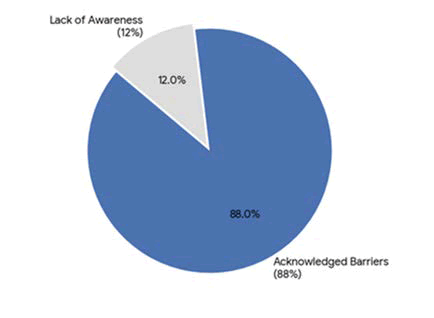
Figure 10: Overall community consensus on the existence of barriers to ESIA collaboration (N=426).
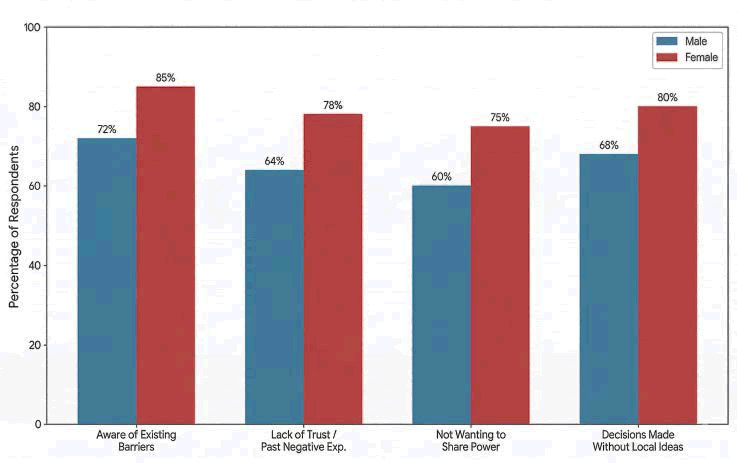
Figure 11: Gender disparities in the perception of systemic governance barriers, highlighting the "trust-power" deficit experienced by female residents.
Statistical analysis reveals that female respondents possess a consistently heightened sensitivity to these challenges. While a majority of men (72%) are aware of barriers, women (85%) are significantly more likely to identify them (p<.01). This suggests that the "cognitive gatekeeping" identified earlier in this study is not applied uniformly; rather, the governance structure appears to disproportionately alienate female residents.
From awareness to exclusion: The trust-power deficit
The gender gap extends beyond general awareness into specific, structural forms of exclusion. As detailed in Table 7, the disparity widens significantly when examining indicators of relational breakdown. Female respondents were significantly more likely to cite lack of trust and past negative experiences (78% vs. 64%, p<.01) and exclusion from decision-making (80% vs. 68%, p<.01) compared to their male counterparts.
| Barrier indicator | Female (%) | Male (%) | Sig. (p-value) | Implication |
| General awareness (Q26) | 85% | 72% | <.01 | Heightened sensitivity to governance failure |
| Lack of trust (Q27b) | 78% | 64% | <.01 | Acute perception of relational breakdown |
| Refusal to share power (Q27e) | 75% | 60% | <.01 | Identification of systemic power imbalances |
| Opinions not valued (Q27i) | 78% | 62% | <.01 | Experience of marginalization in dialogue |
| Note: Differences derived from Chi-square analysis of survey items Q26 and Q27 | ||||
Table 7: Gender disparities in perceived collaboration barriers.
These findings suggest a hierarchy of exclusion. While the male population perceives barriers primarily as procedural or logistical hurdles (e.g., poor coordination), the female population experiences them as active relational failures. The high percentage of women reporting that their opinions are "not heard or valued" (78%) and the corresponding deficit in experienced equity confirms that for women, the ESIA process is not merely inefficient it is delegitimizing.
Consequently, the barrier in Karen Ward is not a monolith; it is a two-tiered system where the general population faces bureaucratic friction, while women face a deeper, systemic devaluation of their input. Remedial strategies that focus solely on efficiency without addressing this trust deficit will likely fail to engage the demographic most attuned to the community's environmental reality.
The class divide in public engagement
While the awareness of governance barriers is widespread, the actual opportunity to participate in ESIA processes is heavily stratified by occupational status. Analysis of the public participation deficit reveals that the consultative channels for development projects in Karen Ward are not universally accessible; rather, they function as gated mechanisms that privilege economic and bureaucratic elites. As illustrated in Figure 12 (below) and detailed in Table 8, access to the decision-making table is significantly skewed (χ2(3, N=426)=15.62, p=.0013). Individuals holding high-status roles specifically employer/business owners (38.5%) and public servants (35.1%) reported having been asked for their input at rates more than double that of Employees, where only 15.2% had ever been consulted.
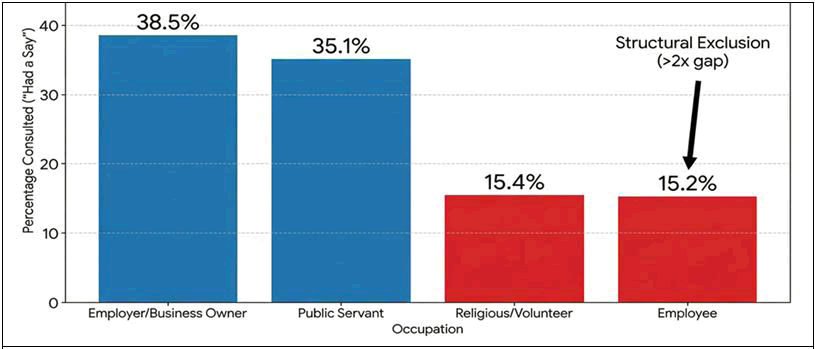
Figure 12: Participation rates in ESIA projects by occupation (Occupation gatekeeping).
| Occupation | Consulted ("Had a say") | Not consulted | Participation gap |
| Employer/Business owner | 38.5% (n=37) | 61.5% (n=58) | High access |
| Public servant | 35.1% (n=29) | 64.9% (n=54) | High access |
| Religious/Volunteer | 15.4% (n=6) | 84.6% (n=32) | Marginalized |
| Employee | 15.2% (n=32) | 84.8% (n=178) | Systematically excluded |
| Note: N=426. The disparity between the "Business" class and the "Employee" class is statistically significant at p<.01 | |||
Table 8: Association between occupation and engagement in ESIA (N=426).
The "conflict in collaborative spirit"
This statistical exclusion of the working-class majority (84.8% of employees are voiceless) directly fuels the community's pervasive cynicism, identified qualitatively as a "Conflict in collaborative spirit." Because participation is structurally reserved for those with capital or government connections, the broader community views the ESIA process not as a dialogue, but as a bureaucratic ritual. Qualitative responses reinforced this, with residents describing consultations as being undertaken "only for the books" and demanding that authorities "Waongee na watu kwanza, tuwajue" (Talk to people first, so we know them).
The correlation between this occupational gatekeeping and the high "Lack of trust" scores (Table 5) is evident. The barrier here is not merely a lack of meetings, but a systemic credibility gap. When over 80% of the employee demographic is structurally walled out of the process, the social license for new developments is inherently compromised, transforming potential collaborators into hostile observers.
From dysfunction to resilience (The rise of compensatory governance)
The displacement of state responsibility: The widespread failure of official collaborative channels in Karen Ward has precipitated a fundamental shift in local environmental management. In the absence of responsive municipal services, residents have pivoted from seeking collaboration to enacting compensatory governance a system of organized, self-financed interventions designed to mitigate critical infrastructure deficits.
As illustrated in the Figure 13, this phenomenon represents a structural displacement: The barriers of exclusion and bureaucracy have effectively pushed environmental responsibility from the state to the community.
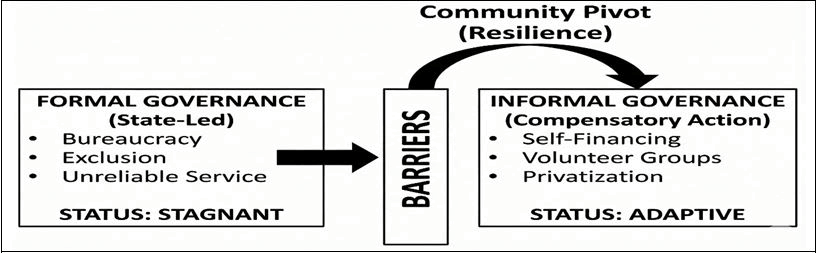
Figure 13: Illustration of compensatory governance (shift from state reliance to community resilience.
Privatization of essentials: Water and drainage: This shift is most visible in the management of essential utilities. As the credibility of the Nairobi City Water and Sewerage Company (NCWSC) has eroded due to unreliability, residents have turned to the private sector. As seen in Figure 14, the presence of private water trucks in the Bogani area has normalized the privatization of basic rights. Residents noted that "even if you complain to the county, they do nothing", forcing a reliance on paid vendors for survival.
Similarly, flood mitigation a statutory responsibility of the county has been assumed by local residents. In Ndege road, community associations have self-funded the construction and maintenance of drainage systems. This direct management highlights a governance vacuum where the community does not merely "participate" in maintenance but actively replaces the state actor.
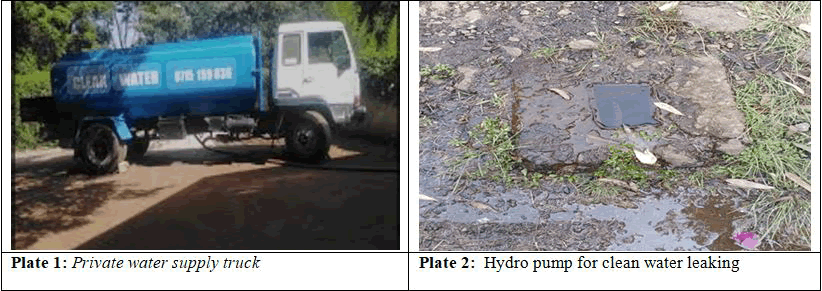
Figure14: The privatization of water infrastructure due to municipal neglect in Bogani.
Innovation in waste management: The "Kibalazani" model nowhere is this compensatory action more sophisticated than in waste management. In Kuwinda estate, the volunteer group Kibalazani emerged as a direct response to the cessation of municipal waste collection.
Faced with warnings against open burning by private landowners, the group adapted by developing local recycling initiatives. As detailed in Figure 15, the community constructed waste bins from recycled materials specifically for plastics, transforming a waste disposal crisis into a micro-governance solution. This evolution from unregulated dumping to organized recycling demonstrates that while the formal collaborative process (NEMA/NCC) is stagnant, the informal process is adaptive, resilient, and highly effective.
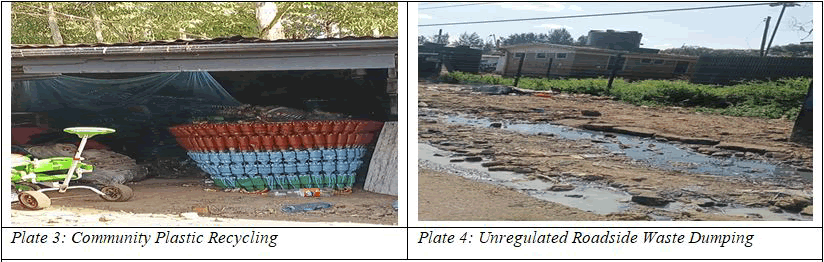
Figure 15: Community-led waste management innovations by the Kibalazani group in Kuwinda Estate.
Implication: The case for co-management: The existence of these compensatory mechanisms proves that the capacity for collaboration exists, but it is currently operating outside the system. The current governance architecture treats these groups as invisible actors. A reformed ESIA framework must officially recognize groups like Kibalazani not as passive subjects, but as operational partners, integrating their established logistics into the formal environmental management plan.
Discussion
The empirical findings demonstrate that the statutory ESIA framework in Karen Ward operates under substantial cognitive, structural, relational, and demographic strains that impede collaborative governance. The high baseline unfamiliarity with collaborative processes (55.4%) creates a cognitive barrier that prevents local communities from participating in planning dialogues. When coupled with technical documentation and complex legal notices, the ESIA process becomes exclusionary. Rather than serving as an accessible platform for consensus-building, the framework acts as a technocratic clearance exercise for project proponents and regulatory authorities.
The structural and institutional dimensions isolated by factor analysis particularly poor coordination (.86) and regulatory ambiguity (.83) highlight the fragmentation characterizing urban environmental planning in Nairobi. The strong correlation between excessive bureaucracy and stakeholder exclusion (r=0.61) indicates that complex administrative procedures limit community access. This aligns with broader Global South scholarship indicating that multi-agency overlaps in urban centers often dilute regulatory accountability. As a result, public hearings become perfunctory formalities conducted late in the project approval cycle, failing to incorporate local ecological knowledge or substantive design adjustments.
The socio-demographic stratification of participation barriers reflects a deep relational divide within the Karen community. The heightened barrier perception among owner-occupiers (Mean rank=215.75) reflects substantial property and capital exposure, making property owners sensitive to uncontrolled commercial rezoning and infrastructural degradation. Conversely, the high exclusion of the employee class (84.8%) demonstrates an occupational bias that favors business owners and public sector elites. Furthermore, the significant gender disparity in perceived trust and power-sharing where 78.0% of women feel structurally devalued shows that conventional public consultation mechanisms fail to provide equitable, safe, and accessible spaces for female participation.
These structural breakdowns explain the rise of compensatory governance in Karen Ward. When public institutions fail to provide dependable basic services and transparent environmental oversight, grassroots organizations step in to manage local infrastructure. The self-financed drainage systems along Ndege Road and the Kibalazani recycling model in Kuwinda prove that local communities possess substantial operational capacity for environmental stewardship. However, because these initiatives operate outside the formal regulatory framework, they are vulnerable to resource shortages and lack statutory authority. Bridging this implementation gap requires moving beyond top-down administrative mandates toward an institutionalized Co-Management framework that formally integrates community-led initiatives into statutory environmental management plans.
Conclusion
The examination of collaboration barriers within the ESIA process in Karen Ward reveals a governance framework in a state of critical disconnect. While there is a near-universal consensus (88%) that significant obstacles exist, these barriers are not merely administrative; they are structural, cognitive, and deeply stratified by socio-demographic factors.
• The cognitive barrier: A fundamental knowledge gap exists, with 55.4% of residents unfamiliar with collaborative governance approaches. This lack of awareness acts as a primary gatekeeper, preventing meaningful engagement before the process even begins.
• Systemic and relational failures: Factor analysis confirms that poor organizational coordination (0.86 loading) and a lack of inclusion (0.80 loading) are the primary drivers of failure. The strong correlation between bureaucracy and exclusion (r=0.61) suggests that administrative complexity is effectively used as a tool for marginalization.
• Demographic stratification: The experience of governance failure is highly polarized. Women report significantly higher levels of trust deficits (78%) and systemic exclusion (80%) compared to men. Furthermore, a participation class divide exists, where business owners and public servants are more than twice as likely to be consulted as the employee demographic, of which 84.8% remain voiceless.
• The rise of compensatory governance: In response to the state’s failure to provide reliable utilities and waste management, the community has pivoted to compensatory governance. Initiatives like the Kibalazani recycling group and private infrastructure maintenance demonstrate that community capacity for collaboration is high, but currently operates outside the formal state system.
The study concludes that the barrier in Karen Ward is a two-tiered system: a bureaucratic friction for the general public and a systemic devaluation for marginalized groups, particularly women and the working class. The current ESIA process is perceived by many as a ritualistic exercise conducted only for the books.
For collaborative governance to become a reality, the transition from state-led mandates to a Co-Management model is essential. The legal mechanism by which this could happen in Kenya is anchored in EMCA (Environmental Management and Coordination Act), which allows NEMA to delegate certain functions. This requires formalizing the informal recognizing and integrating existing community-led resilience models into the official environmental management framework. Addressing the trust-power deficit is not merely a matter of improving efficiency; it is a prerequisite for establishing the social license necessary for sustainable development in Nairobi County.
Recommendations
This study examined the barriers to integrating collaborative governance into the Environmental and Social Impact Assessment (ESIA) process within Karen Ward, Langata Sub-County, Nairobi County. The empirical results confirm that collaborative governance is constrained by four interrelated barriers:
Cognitive barriers: Over half of the resident population (55.4%) lacks basic familiarity with collaborative governance models, creating an informational divide. Launch Community Governance Literacy Campaigns where NEMA and Nairobi City County should partner with local resident associations to publish simplified, non-technical ESIA guides in English and Kiswahili, eliminating the cognitive barriers that prevent informed public participation.
Administrative barriers: Institutional coordination deficits (factor loading=.86) and administrative bureaucracy strongly correlate with stakeholder exclusion (r=0.61), turning ESIA consultations into perfunctory compliance rituals. Streamline administrative consultation pipelines in which lead environmental agencies must restructure ESIA public participation schedules, mandating earlier stakeholder engagement at the scoping phase and establishing verifiable feedback mechanisms to demonstrate how public input shapes final project approvals.
Relational and demographic barriers: The experience of exclusion is heavily stratified, with female residents experiencing acute trust deficits (78.0%) and wage-earning employees facing structural exclusion (84.8%) compared to property-owning and commercial elites. Institutionalize targeted inclusion protocols in which project proponents and ESIA lead experts should implement affirmative participation guidelines, including scheduling consultative sessions outside conventional working hours and hosting women-led focus groups to overcome class and gender gatekeeping.
Compensatory adaptations: Chronic institutional failures have forced local communities to establish self-funded, informal compensatory governance mechanisms for water, drainage, and solid waste management. Formalize Co-Management in Environmental Management Plans (EMPs) so that statutory authorities should formally integrate registered community resilience groups (such as the Kibalazani recycling initiative) into official EMP monitoring frameworks, granting them technical support and formal recognition as local environmental partners under EMCA Cap 387.
To resolve these systemic barriers and build a legitimate social license for sustainable urban development, environmental governance in Nairobi County must transition from rigid bureaucratic oversight toward a collaborative Co-Management model. Legally anchored under the Environmental Management and Co-ordination Act (Cap 387), NEMA and the Nairobi City County Government should formally delegate localized monitoring, waste management, and environmental oversight functions to recognized community associations and grassroots initiatives. Addressing relational trust deficits, simplifying administrative procedures, and mandating inclusive consultation protocols are essential steps to ensure that collaborative ESIA becomes an effective mechanism for equitable urban environmental governance in Kenya.
Limitations
This study utilized an empirical cross-sectional design, capturing stakeholder perceptions, institutional dynamics, and governance barriers at a single point in time. Because collaborative governance processes and institutional trust evolve dynamically over time, the findings cannot capture longitudinal shifts or evaluate the long-term impacts of subsequent policy adjustments. Future research should apply longitudinal panel methods to assess the progressive impacts of devolved planning reforms across diverse urban and peri-urban wards in Kenya.
References
- Onyango G (2024) Social processes of public sector collaborations in Kenya: Unpacking challenges of realising joint actions in public administration. J Knowl Econ 16: 8141-8171.
- Ulibarri N, Imperial MT, Siddiki S, Henderson H (2023) Drivers and dynamics of collaborative governance in environmental management. Environ Manage 71: 495-504.
[Crossref] [Google Scholar] [PubMed]
- Ngetich JK, Ndiema AC (2020) Challenges and opportunities in environmental impact assessment and environmental audit practice in Kenya. J Geogr Reg Plann 13: 70-76.
- Onyango G (2023) Collaborative public governance in African public administration contexts: Problems of realising joint actions in multi-agency arrangements.
- Woldesenbet WG (2020) Analyzing multi-stakeholder collaborative governance practices in urban water projects in Addis Ababa City: Procedures, priorities, and structures. Appl Water Sci 10: 44.
- Mkutu K, Mkutu T, Marani M, Ekitela AL (2019) New oil developments in a remote area: Environmental justice and participation in Turkana, Kenya. J Environ Dev 28: 223-252.
- Parsons R, Everingham JA, Kemp D (2019) Developing social impact assessment guidelines in a pre-existing policy context. Impact Assess Proj Apprais 37: 114-123.
- Awuah KGB (2018) Urban development and governance in Nigeria: Challenges, opportunities and policy direction. Int Dev Plann Rev 40: 27-49.
- Kathambi B, Ogutu FA (2021) Effects of institutional framework lapses in solid waste management; case of Ngomongo, Nairobi, Kenya.
- de Ruschi B, Ma W, Li Y (2024) Bridging the implementation gap: A holistic approach to urban climate governance. Curr Urban Stud 12: 65-87.
- Bhatt RP (2023) Environmental impact assessment system and process in developing countries. Open J Ecol 13: 977-1009.
- Njue NG, Mulwa AS, Kyalo DN, Mbugua JM (2021) Implementation, stakeholders' participation and sustainability of public projects in Kenya: A conceptual framework. J Sustain Dev 14: 100.
- Singh GG, Lerner J, Clarke Murray C, Wong J, Mach M, et al. (2019) Response to critique of “The insignificance of thresholds in environmental impact assessment: An illustrative case study in Canada.” Environ Manag 64: 133-137.
- Horn P (2021) Enabling participatory planning to be scaled in exclusionary urban political environments: Lessons from the Mukuru special planning area in Nairobi. Environ Urban 33: 519-538.
- Kemunto M, Kamau G (2021) Willingness to pay for Nairobi National Park: An application of discrete choice experiment. J Dev Agric Econ 13: 27-33.
- Onkangi NR, Nyakondo NS, Mwangi P, Ondari L, Wachira B (2018) Environmental management systems in construction projects in Kenya: Barriers, drivers, adoption levels. Rwanda J Eng Sci Technol Environ 1.
- Shabbir MS, Salman R (2026) Sustainable development policy interventions: Stakeholder engagement and environmental policy in practice. Bus Strat Environ 35: 1997-2013.
- Ansell C, Gash A (2008) Collaborative governance in theory and practice. J Pub Admin Res Theory 18: 543-571.
- Emerson K, Nabatchi T, Balogh S (2012) An integrative framework for collaborative governance. J Pub Admin Res Theory 22: 1-29.
- Nilssen M, Hanssen GS (2022) Institutional innovation for more involving urban transformations: Comparing Danish and Dutch experiences. Cities 131: 103845.
- Xavier R, Komendantova N, Jarbandhan V, Nel D (2017) Participatory governance in the transformation of the South African energy sector: Critical success factors for environmental leadership. J Clean Prod 154: 621-632.
- Delgado-Baena A, Sianes A (2024) Power dynamics in collaborative governance processes: A case study of a disadvantaged neighbourhood in Southern Spain. Buildings 14: 1002.
- Diep L, Mulligan J, Oloo MA, Guthmann L, Raido M, et al. (2022) Co-building trust in urban nature: Learning from participatory design and construction of Nature-Based Solutions in informal settlements in East Africa. Front Sustain Cities 4: 927723.
- Anyanwu LE, Felix OO, Ejike IW, Anyanwu IO (2025) Environmental governance frameworks and stakeholder engagement mechanisms for effective natural resource management at local levels.
- Rusmiyati R, Rahmadany AF (2024) Transforming vision into action: Exploring collaborative governance strategies in the development of the Nusantara new Capital City. Otoritas: Jurnal Ilmu Pemerintahan 14: 64-81.
- Alem GG, Greiving S, Namangaya AH, Kombe WJ (2022) Planning cities in Africa: Current issues and future prospects of urban governance and planning. Springer International Publishing.
- Dissanayake BL, Faggian R, Healey M (2025) A participatory systems inquiry into land use planning in regional Victoria: Insights from causal loop diagramming. Syst Pract Action Res 38: 24.
- IGPCC (2023) Climate Change 2022-Impacts, adaptation and vulnerability: Working Group II contribution to the sixth assessment report of the intergovernmental panel on climate change (1st ed.). Cambridge University Press.
- Abdul HM, Qian LK (2017) An assessment of Environmental Impacts Assessment (EIA) in Malaysia. SHS Web of Conferences 36: 00018.
- Bidandi F, Williams JJ (2017) The terrain of urbanisation process and policy frameworks: A critical analysis of the Kampala experience. Cogent Soc Sci 3: 1275949.
- Akendo I, Kathambi B, Thuita T (2025) Barriers to integration of collaborative governance in ESIA in urban development projects-A critical review. 14.
- Valerio AS (2024) Balancing urban development and environmental sustainability: A case study of Zamboanga City, Philippines. Cogniz J Multidiscip Stud 4: 441-455.
- Mundia CN (2017) Nairobi Metropolitan Area. In: Murayama Y, Kamusoko C, Yamashita A, Estoque RC (eds) Urban Development in Asia and Africa. Springer Singapore, pp. 293-317.
- Titz A, Chiotha SS (2019) Pathways for sustainable and inclusive cities in southern and Eastern Africa through urban green infrastructure? Sustainability 11: 2729.
- Sengupta U, Sengupta U (2022) SDG-11 and smart cities: Contradictions and overlaps between social and environmental justice research agendas. Front Sociol 7: 995603.
[Crossref] [Google Scholar] [PubMed]