Spanish
  Chinese
  Russian
  German
  French
  Japanese
  Portuguese
  Hindi
Hindi Research Article, J Vet Sci Med Diagn Vol: 14 Issue: 1
Confronting Cultures: An Exploration of Madagascar's Cultural Diversity and the Coexistence of Owls and Humans
Manana Oclin Arsene1 and Shan Xiaoya2*
Department of Economics, Guizhou University of Finance and Economics, Guiyang 550025, China
*Corresponding Author: Manana Oclin Arsene, Department of Economics, Guizhou University of Finance and Economics, Guiyang 550025, China; E-mail: oclinarsenemanana@gmail.com
Received date: 08 August, 2024, Manuscript No. JVSMD-24-144957; Editor assigned date: 12 August, 2024, PreQC No. JVSMD-24-144957 (PQ); Reviewed date: 27 August, 2024, QC No. JVSMD-24-144957; Revised date: 09 February, 2025, Manuscript No. JVSMD-24-144957 (R); Published date: 16 February, 2025, DOI: 10.4172/2325-9590.100059.
Citation: Arsene MO, Xiaoya S (2025) Confronting Cultures: An Exploration of Madagascar's Cultural Diversity and the Coexistence of Owls and Humans. J Vet Sci Med Diagn 14:1.
Abstract
This study was conducted in 16 villages located in Andapa in 2023, a northern district of Madagascar. It aimed to explore the challenges of coexisting with owls and humans. The research aimed to discover the confrontation on coexistence between owls and humans. It utilized a mixed-method approach including questionnaires, interviews, observation checklists, and focus group discussions. The study focused on witch-hunting operations in these villages between 2021 and 2022 and investigated the cultural beliefs surrounding the relationship between traditional religion and population killing owls' motivation. The study presented the quantitative data collected in tables with frequencies and percentages, integrating regression analysis and correlation tests. Meanwhile, the qualitative data was thematically presented through narrative reports. The findings revealed that the local community strongly believed in the close association between witches and owls. Additionally, they lacked awareness of environmental regulations and laws. These two factors influenced the high motivation in owl-hunting behavior. The correlation analysis showed that the variables, such as "people seeing dead owls" and “traditional beliefs attachment,” move in the same direction as the dependent variable "Owls killing," indicating a high frequency of owl-killing incidents in the region and a high level of traditional belief adherence. On the other hand, the variables, such as "law knowledge in the population," "high school graduates in the population," "awareness of the environmental value," and "awareness of owls' importance in life," all strongly move in a divergent direction with the dependent variable "Owls killing." The increase of one unit in them can reduce the owlhunting behavior in the population. Thus, the study's findings provide valuable insights into the interactions between human communities and owls, accentuating the importance of raising ecological value awareness and promoting education in the region.
Keywords: Madagascar, Culture, Conflict, Owls, Ecology
Abbreviations
HG: High School Graduate; HWCs: Human- Wildlife Conflicts
Introduction
The interaction between humans and nature has been a fundamental aspect of human existence since the emergence of our species [1]. This connection is deeply rooted in the interdependence between culture and humans, interlaced through ecological processes and natural energy cycles. However, in the present day, cohabitation with wildlife nature raises many problems and controversies. Human-Wildlife Conflicts (HWCs) become more pronounced when wildlife and humans share the same physical space, attracting ecological researcher’s attention to focus on this phenomenon. For instance, Talkokulwar reported a tragic incident concerning the deaths of a tigress and cub in India's Umred Range of the Umred-Karhadla-Pavani Wildlife Sanctuary. Penteriani raises questions about the conflict between humans and carnivorous animals, asking: "Conflict animal or conflict people?". In addition, the conflict and contradiction between humans and nature are considered the root cause deterring sustainable development [2]. Human-wildlife conflict is the "interaction between humans and wildlife where negative consequences, whether perceived or real, exist for one or both parties when the actions of one adversely impact the other" [3]. This conflict is spatially common at the peripheries or in the buffer zones of protected areas [4]. In the context of this research, the situation under examination is not conflict directly caused by wildlife (owls) affecting humans, but by a small segment of the population exploiting owls for cultural purposes. This exploitation, in turn, leads another part of the population to hunt owls indiscriminately. Some researchers have argued that traditional cultural beliefs influence perceptions of animals and can result in the persecution of traditional cultural beliefs, influence perceptions of animals, and can result wildlife persecution [5]. Therefore, it is crucial to understand the relationships among socioeconomic development, sociocultural dynamics, and ecological environment evolution for promoting global sustainable development.
Analyzing the contradictions and coordination between Malagasy cultural activities and the eco-environment holds significant practical importance for the fate and well-being of the population. Historically, the first inhabitants of Madagascar came from the Austronesian and Insulindian regions, alongside migrants from the African continent. The Malagasy, comprising 18 ethnic groups, each with its own culture and language, manifests regional variations in their cultures. Despite these cultural differences, there are shared and common cultural elements and the conflict with owls is one example.
On the other hand, Madagascar is renowned for its status as a harbor of endemism, boasting unique species of both flora and fauna [6]. Among the distinctive wildlife in Madagascar are its endemic owls, which comprehend four species: The Barn Owl (Tyto Alba), Marsh Owl (Asio capensis), Madagascar Red Owl (Tyto soumagnei), and Madagascar Owl (Asio madagascariensis). Barn Owl (Tyto Alba), is distinguished by a heart-shaped facial disk with a tawny brown outline, black eyes, and a yellowish-brown head, back, and tail. Adult size measures 17.3 inches (44 cm) tall, with a wingspan ranging from nine to 12.6 inches (23 to 32 cm) [7]. Nocturnal in nature, the Barn Owl roosts in various locations, such as hollow trees, caves, wells, and secluded buildings. Their diet includes small rodents, insects, baby rabbits, small birds, frogs, lizards, and bats. They employ excellent night vision for ground-level hunting [8]. Marsh Owl (Asio capensis): Features a pumpkin-shaped facial disk with a brown rim, brown eyes, and nearly absent ear tufts. Adult size ranges from 12 to 15 inches (30 to 38 cm) in length, with a wingspan of 11 to 15 inches (28 to 38 cm). Primarily inhabits marshlands, open grassland, and short scrub, demonstrating adaptability by relocating to wetter areas during habitat dry spells. Nesting on the ground, Marsh Owls are monogamous and mate for life, occasionally forming colonies in proximity to one another [9]. Madagascar Red Owl (Tyto soumagnei), recognizable by a distinctive white facial disk with a brown outline, deep black eyes, and no ear tufts. Rusty reddish-brown overall coloring with a pale neck and dark down spots on the shoulders. Adult size ranges from 11 to 11.8 inches (28 to 30 cm) in length, with a wingspan of 8.2 to 9 inches (21 to 23 cm). Strictly nocturnal, the Madagascar Red Owl roosts in caves, hollow tree trunks, or abandoned structures during the day, favoring the warm, humid rainforest of western Madagascar.
Madagascar Owl (Asio madagascariensis) is characterized by a light brown facial disk with darker brown circles around the eyes, accompanied by prominent dark brown ear tufts. Medium brown coloring with darker streaks and a lighter cream belly. Adult size ranges from 16 to 20 inches (41 to 51 cm) in length, with a wingspan of 2.8 to 3.3 feet (85-101 cm). Endemic to Madagascar, the Madagascar Owl is nocturnal, spending daytime hours roosting in dense tree foliage. Its diet comprises small mammals, insects, birds, and occasionally bats.
Therefore, this research aims to:
- Explore the cultural significance of owls in Malagasy folklore, traditions, and belief systems.
- Analyze the dynamics of interactions and conflicts between humans and owls in Madagascar, superstitions, and hunting practices.
- Suggest strategies for promoting sustainable coexistence between humans and owls in Madagascar while respecting and preserving cultural diversity.
The organization of this paper is as follows:
The first section, background, provides an overview of previous research on the conflicts between humans and wildlife, which leads the complexities involved in conservation efforts. The second section materials and methods, illustrates the data collection process and interprets the results of the data analysis. The third section presents the results the findings of the research while the fourth section discusses the challenges faced by owl conservation policies in Madagascar and proposed necessary reforms to achieve a harmonious coexistence between the population and owls.
Materials and Methods
Description of the study area
This research uses a qualitative and quantitative methodology to clarify the cultural and ecological conflicts evident in 16 villages within the Andapa district in Madagascar (Figure 1). Andapa District is a district in northern Madagascar. It is a part of the Sava Region and borders the districts of Ambilobe and Sambava to the north, Antalaha to the east, Maroantsetra to the south, and Befandriana Nord and Bealanana to the west, has its Coordinates on 14° 39′S 49° 39′E. Marojejy National Park is located in the eastern part of this district.
Marojejy is one of the most beautiful and wild areas of Madagascar. It is unique in the world, a place of dense, jungly rainforests, sheer, high cliffs, and plants and animals found nowhere else on Earth. The forests, ranging from low-altitude rainforest through to high-altitude montane scrub, harbor an impressive list of plants and animals, including about 275 species of ferns, 35 species of palms, 149 species of amphibians and reptiles, and 118 species of birds which makes it a must-visit destination for bird lovers and enthusiasts alike. The park is also the habitat of the four species of owl population found in Madagascar according to Parc National Montagne in Andapa. The investigation is centered on the tangible realities of the challenges of coexistence between human populations and owls, covering the outcomes examination of witch-hunting operations conducted between 2021 and 2022. The selection of this study area was thoughtful, motivated by the presence of a reliable and precise traditional culture, joined with the frequency of sorcery acts associated with owl breeding. This choice helps the study of the complex dynamics of interaction between Malagasy people and owls. Using a cultural belief and eco-environmental approach, the research aimed to underline the importance of ecological and economic reform in Madagascar, positioning it with global concerns.
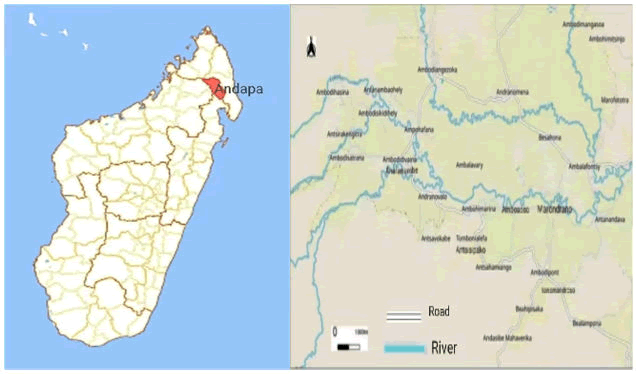
Figure 1: Geography localization of the research area.
Data collection
Both probability and non-probability sampling techniques were applied to gather comprehensive data. Data collection involved the adoption of questionnaires, interviews, observation checklists, and focus group discussions. Quantitative data afterward was presented in the form of frequencies and percentages within tables, integrating regression analysis and correlation tests. On the other hand, qualitative data was thematically presented through narrative reports. The villages in the research maintain a lifestyle reminiscent of the middle ages, lacking electricity, internet access, and limited amusing options. The primary form of entertainment for the local population turns around evening conversations on verandas, serving not only as a pastime but also as a medium for information dissemination and knowledge transmission. Furthermore, exploiting this context, the researcher initiated conversations with different age groups, engaging in discussions on the research theme to capture a comprehensive perspective. The conversations were smoothed with men aged under 50 years old. However, for men aged over 50 and women of different ages, we were employing specific individuals for each specific demographic to record discussions using mobile phones. However, the research encountered challenges, particularly in conversations where notable witches were present. Fearful of potential consequences, participants refrained from expressing their views openly, limiting the discovery of information about these witches. To address this problem, the researcher strategically redirected conversations to other villages, ensuring the safety and comfort of participants. These villages were closely related, and the population was familiar with each other, ensuring a continuous transition between conversation topics.
Despite these challenges, the research successfully gathered data on the feelings or perceptions of the population in that region regarding owls, incidents of owl killing, and witch-hunting operations in 2021 and 2022 (Table 1).
| Variables | Notation | Type of variable |
| The number of people who have killed or will kill the owls when they find it | Killing | Dependent variable |
| The number of people who have seen dead owls many times in their lives | Dead | Independent variables |
| Number of people who are fearing the owl | Fear | |
| The number of people who believe that owls are witches' friends or birds of witches and darkness | Witch | |
| Number of people who know the importance of owls in their lives | Importance | |
| Number of people who know the law about owls in Madagascar | Law | |
| The number of people in high school who graduated | H.G | |
| Number of people who believe in the power of traditional religion | Tradition | |
| The number of people who know environmental protection value | Environment |
Table 1: Variable identification.
Methods of data analysis
Qualitative analysis: The qualitative method is one of the research methodologies used in ecological study. In this qualitative analysis, a descriptive approach was adopted, complemented by the narrative descriptive method. By using the narrative descriptive method in combination with the descriptive approach. The method allowed for a detailed exploration of the cultural and ecological conflicts in the region, highlighting the interplay between social and environmental factors. The rich, contextual information gathered through the qualitative analysis provided valuable insights into the challenges facing the region and potential solutions that could be explored. Ultimately, the goal of the study was not only to understand the conflicts in Madagascar but also to identify opportunities for positive change and sustainable development. Furthermore, the qualitative analysis contributed to understanding the perceptions of the people concerning the current ecological situation in the region as Ryan et al. proposed the importance of working with people who live and work in ecological systems, especially indigenous and local communities. Similarly, Luetkemeier used a qualitative method to explore conflicts in human-wildlife interactions in the Kunene Region of Namibia. In this study, the same method was adopted to investigate the apparent conflict between humans and owls in the Andapa region of Madagascar.
Quantitative analysis
Multiple regression analysis: Multiple linear regression, an extension of simple linear regression, is employed to analyze the relationship between the dependent variable (Y) and multiple independent variables (X1, X2, ..., Xk). This method allows for the control of confounding variables, enriching the precision of estimating the influence of each independent variable. This method is widely used in the ecological study, for instance, Xu, et al. used Multiple Linear Regression to analyze the relationship between vegetation habitats and bird communities in urban mountain parks in china. Zhang, et al. also used the same method to study the effects of environmental factors on bird communities in different urbanization grades. In the present study, this sophisticated analytical approach is employed to evaluate the variables influencing the conflict between human and owl populations within the designated study area. The general form of the model is:
Y=β0+β1X1+β2X2+…+βkXk+ε
Where Y is the dependent variable. β0 is the y-intercept, and β1, β2, βk are the regression coefficients for the independent variables X1, X2, ..., Xk. ε represents the error term. The least squares method is employed for estimating regression coefficients, minimizing the sum of squared differences between observed and predicted values of the dependent variable. This method is particularly effective when dealing with multiple influencing factors. This study outlines the variables, which are listed in the following table for a more detailed understanding.
Correlation analysis
Correlation analysis is a vital tool employed in the exploratory phase of data analysis to expose potential relationships between variables. This statistical method is particularly useful in assessing the reliability of measurements. When two variables are intended to measure the same underlying concept, a high correlation between them serves as evidence for the reliability of the measurement. Mengjiao utilized the correlation method to study social and cultural aspects of human-wildlife conflicts and understand the attitudes of people to crop-raiding animals and other wildlife in the agricultural systems of the Tibetan Plateau in China. The correlation test in this study is mainly used to explore and identify the relationship between the activities related to owl killing in the Andapa district and the sociocultural perspectives widespread in the region and find any potential patterns or associations between these variables.
The correlation test facilitates the investigation of whether there is a significant statistical relationship between the incidents of owl killing and the sociocultural viewpoints within the Andapa district. By providing a detailed analysis, this research offers a comprehensive understanding of the complex dynamics at play and significantly contributes to the knowledge of the cultural and ecological conflicts surrounding owls in this particular region. Once having arranged and structured the data in a meaningful manner, it is proceeded to input it into the Stata software tool for further analysis. Stata is a powerful statistical software package that allows to perform a wide range of data analysis tasks.
Result
Descriptive statistical analysis result
The data presented in Table 2 offers insights into the causes of owl hunting, drawing from observations across 16 observations for each variable. These findings uncover notable trends within the studied population. For instance, there are outstandingly high mean values evident in the variables "Killing" and "Dead," underscoring a prevailing perception of owls as targets and the significant incidence of owl fatalities. The narrow ranges and low standard deviations within these variables further accentuate the consistency of this behavior across the population. Conversely, the variable "Fearing" demonstrates moderate mean values, suggesting varying degrees of anxiety towards owls among community members. This helped understanding of fear dynamics hints at the diverse attitudes within the population. Moreover, a notable finding is the high mean value in the "Witches" variable, indicating a strong belief among the population in the association between witches and owls. This cultural perception appears deeply entrenched within the community. On the other hand, the low mean values for "Law" and "Environment" indicate a relatively limited awareness of ecological laws and environmental protection policies. This suggests a potential lack of emphasis on environmental conservation and the economic significance of owls in the community's development. The low standard deviation associated with these variables implies a uniform level of knowledge among community members in these aspects. Furthermore, the low mean values observed in the "Tradition" variable, joined with a high standard deviation, suggest diverse attitudes and opinions regarding adherence to traditional beliefs. This variability stresses the differing levels of attachment individuals have to traditional cultural norms within the population. In summary, these findings provide valuable visions into the multipart interaction of beliefs, attitudes, and awareness levels surrounding owl hunting within the studied population.
| Variable | Obs | Mean | Td. dev. | Min | Max |
| Killing | 16 | 27.9375 | 1.181454 | 26 | 30 |
| Dead | 16 | 27.5 | 1.591645 | 25 | 30 |
| Fearing | 16 | 5.625 | 1.707825 | 3 | 9 |
| Witches | 16 | 27.875 | 1.821172 | 25 | 30 |
| Law | 16 | 1.6875 | 1.014479 | 0 | 3 |
| Tradition | 16 | 1.125 | 0.806226 | 27 | 30 |
| Environment | 16 | 1.25 | 0.930949 | 0 | 3 |
| Importance | 16 | 1.0625 | 0.997915 | 0 | 3 |
Table 2: Summary of the causes of owl hunting data.
The evident antagonistic relationship between the population and owls
The multiple regression analysis in Table 3, reveals a highly significant model, as evidenced by the model F-statistic of 25.33 and a Prob>F value of 0.0002, well below the standard threshold of 0.05. Additionally, the substantial R-squared value of 0.9666 indicates that the model accounts for nearly 97% of the variability in the dependent variable "killing." The Root Mean Square Error (RMSE) of 0.31603 further attests to the model's accuracy in predicting owl killings. When exploring the individual predictor variables, "Witch" appears obviously, showcasing a coefficient of 0.2046 and a p-value of 0.036. This highlights a predominant belief deep-seated within the population regarding the perceived association between owls and witches. Interestingly, the practice of keeping owls at home or in fields is commonly interpreted as indicative of witchcraft. This cultural belief not only influences perceptions of owls but also informs behavioral practices within the community, potentially impacting owl populations. On the other hand, the variable "law" presents a statistically significant coefficient of -0.6881 alongside a p-value of 0.027. This finding suggests a noticeable deficiency in environmental law knowledge among the population. The low awareness of environmental regulations points towards a potential gap in governmental efforts to disseminate crucial information regarding environmental policies and protections. Consequently, individuals may rely solely on their existing knowledge, which might lack the depth required to understand ecological and environmental dynamics adequately. This knowledge gap could carelessly contribute to behaviors disadvantageous to owl populations and broader environmental conservation efforts. In summary, the comprehensive model demonstrates a high degree of statistical significance, weighting the large impact of predictor variables on owl killings. Particularly noteworthy are the influences of "witch" and "law," which stress the involved relationship between cultural beliefs and legal knowledge in shaping attitudes and behaviors toward owls within the population. This facilitates the understanding of the factors driving owl-related behaviors and emphasizes the importance of addressing both cultural perceptions and legal frameworks in conservation strategies aimed at protecting owl populations.
| Source | SS | Df | MS | Number of obs=16 | ||
| F (8,7)=25.33 | ||||||
| Prob>F=0.0002 | ||||||
| Model | 20.23839 | 8 | 2.529798 | R-squared=0.9666 | ||
| Residual | 0.699112 | 7 | 0.099873 | R-Adj R-squared=0.9284 | ||
| Total | 20.9375 | 15 | 1.395833 | Root MSE=31603 | ||
| Killing | Coefficient | Std. err. | t | P>|t| | (95% conf. interval) | |
| Dead | -0.00523 | 0.100776 | -0.05 | 0.96 | .2435308 | .233063 |
| Fearing | -0.08433 | 0.060628 | -1.39 | 0.207 | .2276893 | .0590353 |
| Witches | 0.204612 | 0.079097 | 2.59 | 0.036 | .017577 | .3916478 |
| Law | -0.68809 | 0.245692 | -2.8 | 0.027 | 1.269057 | .1071205 |
| HG | 0.10038 | 0.284167 | 0.35 | 0.734 | .5715672 | .7723268 |
| Tradition | -0.09699 | 0.187651 | -0.52 | 0.621 | .5407176 | .3467321 |
| Environment | -0.23529 | 0.142688 | -1.65 | 0.143 | .572689 | .1021168 |
| Importance | -0.26211 | 0.325698 | -0.8 | 0.447 | 1.032261 | .5080478 |
| _Cons | 27.23125 | 4.952788 | 5.5 | 0.001 | 15.51977 | 38.94273 |
Table 3: Factors influencing owl killing behavior.
The relationship of the factors influencing the owl's killing attitude.
The correlation matrix in Table 4 served as a tool to examine the relationships among variables in the dataset. The strength of correlation, described by values ranging from -1 to 1, indicates the degree of association between variables: positive values suggesting a positive correlation (variables moving in the same direction), and negative values indicating a negative correlation (variables moving in opposite directions). The analysis reveals significant positive correlations between "killing" and "death" (0.7268). This suggests that cases of owl killings are painfully common in the region, with reports of owl carcasses being frequent. It's disheartening to note that annually, at least 20 owls fall victim to such acts within these villages, pointing to the precarious state of the human-owl relationship. It's crucial to note the concerning correlation between owl killings and the frequency of owl death sightings in the region, suggesting a pattern of extensive owl killings predating the witch-hunting operation in 2021 and 2022. Similarly, the variable "witches" also reveals statistical significance with a coefficient of 0.8327. This belief, is prevalent not only in these villages but also across Madagascar, interpreting the close links with owls and witches. Many in the population cohabit with witches or have strong familial ties, having a deep understanding of witchcraft and its supposed association with owls. Consequently, owls often bear the brunt of the community's frustrations, serving as targets for misplaced wrath and vengeance. Moreover, the variable "tradition" demonstrates a moderate positive correlation (0.6737). The permanent attachment to traditional beliefs among the rural population poses a significant obstacle to owl conservation efforts. The prevailing fear and hatred towards owls, perceived as spirits' birds and allies of witches, exacerbate tensions within the population. Consequently, the eradication of owls is seen as a viable solution by many.
On the contrary, there are negative correlations between owl killings and "law" (-0.9073). It points out that the increase in the number of populations who know the environmental laws and regulations leads to a decrease in the killing of owls. As its coefficient is very high, it denotes that law awareness can solve almost the killing owls' behavior. Teaching environmental laws becomes imperative for biodiversity conservation, especially in rural areas where direct interactions with nature are common. Fear of legal repercussions may serve as a preventive measure against harming the environment. Similarly, the strong negative correlations between owl killings and education levels (-0.8311 for high school graduation) highlight the role of education in shaping attitudes towards wildlife conservation. Higher education levels correlate with decreased tendencies to engage in owl killings, emphasizing the importance of educational initiatives in conservation efforts. Furthermore, the moderate negative correlation between owl killings and awareness of environmental protection (-0.7122) emphasizes the need to raise awareness about the value of environmental conservation. Similarly, the negative high correlation with the awareness of owl's economic importance (-0.9012) emphasizes the need to demonstrate the economic benefits of preserving owl populations. In conclusion, addressing the underlying beliefs, enhancing legal awareness, and promoting education and environmental consciousness are essential steps toward mitigating owl killings and improving the coexistence between humans and owls.
| Killing | Dead | Fearing | witches | Law | HG | Tradition | Environment | Import | |
| Killing | 1 | ||||||||
| Dead | 0.7268** | 1 | |||||||
| Fearing | 0.285 | 0.3188 | 1 | ||||||
| Witches | 0.8327*** | 0.598* | 0.2197 | 1 | |||||
| Law | -0.9073*** | -0.7638*** | -0.4185 | -0.636** | 1 | ||||
| HG | 0.8311*** | -0.6754** | -0.2542 | -0.7151** | 0.7845*** | 1 | |||
| Tradition | 0.6737** | 0.8139*** | 0.2138 | 0.5411* | 0.7506*** | -0.6068* | 1 | ||
| Environment | -0.7122** | -0.6749** | -0.3983 | -0.5702* | 0.653** | 0.5774* | -0.6958** | 1 | |
| Importance | -0.9012*** | -0.6086* | -0.2592 | -0.7658*** | 0.8108*** | 0.9011*** | -0.4661 | 0.5561 | 1 |
| Note: ***Strong correlation **Moderate correlation * Low correlation |
|||||||||
Table 4: Correlation of the factors influencing the killing of owls.
Discussion
Scientifically, owls stand as the sole truly nocturnal avian raptors, having evolved distinct adaptations to inhabit adeptly this ecological niche. Their large tubular eyes, replete with light-sensitive cells, allow them to operate effectively in nearly complete darkness. Moreover, their exceptional auditory system enables them to navigate and hunt in total darkness. Equally, owls also hold significant cultural importance in Malagasy tradition, serving as integral components in the rituals and practices of witchcraft. Within Malagasy culture, owls are referred to as "vorondolo," a term derived from the combination of "vorona" meaning "bird" and "lolo" meaning "spirit," or “death’s spirit" together signifying "bird of spirits". This terminology elicits controversy between environmentalists and the local population. Environmentalists propose that the term is a mispronunciation of the English word "owl" combining "vorona"ï¼?and gives "voron(d)_owl," with the added "d" automatically introduced according to grammatical rules of Malagasy language. This reinterpretation aims to alter the Malagasy perspective on the life of owls. However, the local population interprets it literally within the context of their cultural beliefs.
Owls, associated with the night and darkness, are perceived as spirit birds (vorondolo). Their physical features, such as long ears resembling corn, frightening facial expressions, and clawed paws, contribute to their depiction as devil’s birds in local culture. Wizards, magicians, and witches employ owls as intermediaries for their amulets (ody) and spirits, exploiting their association with darkness to sanctify malevolent amulets. Many witches in Madagascar keep at least one owl in their homes or agricultural fields, believing it increases the effectiveness of their amulets. All interviewed witches assert that breeding owls and other wildlife is essential for success in sorcery, emphasizing the owl's significance in maintaining the effectiveness of their amulets over time.
Additionally, the incidence of witchcraft in the Andapa district obstructs economic, educational, and social development in the region. Bizarre supernatural damage occurrences with someone who sees progress in life marked the witch's sabotage, such as the mysterious deaths nearly every four days during 3 months in Andongozabe in 2022; and the possession of devil over 30 young people in Antsahamiangona, which illustrates the societal impact of witchcraft. These incidents led to witch-hunting operations, forming the focus of this paper. While these occurrences may be perceived as superstitious and incredible, it is essential to acknowledge the mystical and magical facets inherent in every culture. In Madagascar, this mystical dimension is known as “ody” including witchcraft, shamanism, and voodoo. Magic holds a prominent place, with healers known as "Ombiasy" possessing knowledge of medicinal plants, divination, and the creation of magical charms known as "Sampy. The owls play a crucial role in upgrading the efficacy of these charms, accenting their significance in the mystical and cultural fabric of Madagascar.
The complexity of cultural identity is dominant among witches, as they direct the intersections of tradition, belief systems, and modern society. Even though the population strongly disapproves of the dangerous behavior of the witches towards them, the witches affirm their inability to control their ''ody'' (talisman or amulet, witchcraft). They argue that sometimes the “ody” compels them to harm someone, as they become possessed by other spirits, unaware of their actions until the mission is accomplished. Despite acknowledging the danger, the witches express their hesitancy to discard the amulet, considering it as a heritage of their ancestors. The ancestral spirits do not permit abandonment, and forsaking this practice would bring misery to their lives and families. Moreover, the responsibility for the amulet is passed on to another family member if they die, perpetuating the cycle. The primary peril encountered by the population from witches is the sabotage of economic prosperity. Witches specifically inflict harm upon individuals possessing prosperity and a promising future, in so doing establishing a vital obstacle to life success. Therefore, these villages find it challenging to achieve goals related to economic and social development.
It has been also observed that there is problem related to juridical norms and a lack of environmental education in this region. This situation can have significant impacts on the environment and the people living in the area. In Madagascar, mostly in country areas, a lack of awareness of ecological laws, particularly those relating to owl hunting, is dominant among the majority of the population. While environmental protection laws application primarily addresses deforestation and lemur hunting, regulations related to other wildlife are seldom emphasized. There are game theory dynamic influences on their decision-making, where individuals may prioritize observance of environmental law or penal laws based on perceived consequences. The threat posed by witches complicates legal matters, as killing a witch could result 10-year jail sentence, while killing owls may lead to a maximum of two years in jail, moreover they do not know the law prohibited the owl killing. Therefore, they prefer killing owls with a less severe sentence than killing witches with severe punishment. The Government's attention also is mainly directed toward ensuring population security rather than enforcing environmental laws. Additionally, sorcery acts are not officially recognized by Madagascar's legal system, allowing witches to continue their practices without fear of legal repercussions. Therefore, both ecological law reform and ecological education reform are necessary to enhance ecological conservation.
The meat of owls is one of the foods considered as "fady" (prohibited to eat, or taboo) in Malagasy culture. About 95% of people interviewed claimed that consuming owl meat is "fady" (prohibited, taboo) for them. However, they engage in owl hunting with three main objectives: To eliminate witches' power, to catch witches, and to harm witches indirectly. The belief is that reducing the owl population weakens the efficiency of witches' amulets. Witches considered Owls as their friends and family, and when they (owls) died, the witches mourned and buried them as one would bury a family member. To identify witches in society, the population may publicly display killed owls and observe individuals who show interest or sympathy for them (Figure 2). Anyone expressing sympathy towards dead owls may be accused as a witch. Thus, expressing positive sentiments about owls in Madagascar may lead to social problems. On the other hand, the local population also believes firmly that the body of dead owls can be used to kill indirectly the witches; as they are bloodily alliance friends, the witches will get malediction when they eat the fragment of the dead owls. Therefore, the population hunted owls and put the small fragments of owl's meat in the village's wells.
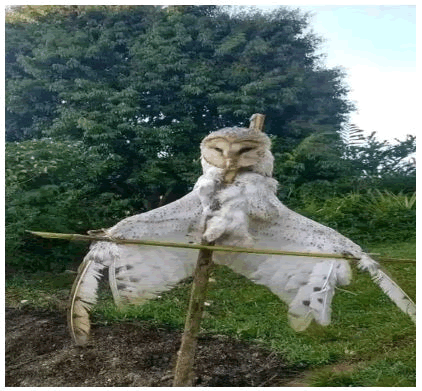
Figure 2: Owls killed in Antsahamiangona in 2021.
The lack of awareness regarding the importance of owls in economic development is one of the significant factors influencing owl hunting in the region. In promoting the protection of owls in Madagascar, it is crucial to inform the population about the economic implications of owls. Owls, as predator birds, play a role in reducing the need for pesticides in agriculture. Madagascar's agricultural sector confronts adversities posed by insects (grasshoppers) and rodent attacks; this phenomenon leads Madagascar to persistent food insecurity. The rodents also caused perilous pests in that country; these rodent pests are predominantly acknowledged as a public health threat due to the endemic plague. In addition, owls, as nocturnal predators, contribute to reforestation and seed dispersal. They influence germination rates and support seedling establishment by providing nutrients through excreta, such as pellets. This implies that the pellets of owls can be used as agriculture fertilizer, which helps to increase agriculture production. Recognizing the ecological and economic benefits of owls can encourage sustainable practices and contribute to the economic well-being of the population.
Conclusion
The interaction between the Malagasy population and owl manifests as a persistent conflict, precipitating heightened tensions across diverse regions. It is imperative to alleviate the prevailing atmosphere of hostility, skepticism, and sarcasm among the population and individuals associated with perceived witchcraft, and the peaceful, harmonious coexistence between owls and the population is similarly necessary. Therefore, this study examines the complex dynamics of human-owl interactions within the Andapa district, illuminating the multifaceted nature of these relationships. The adoption of a mixed-method approach enriches the study, affording a holistic comprehension of both quantitative and qualitative dimensions.
The discerned correlations and their associated significance levels furnish invaluable understandings of the determinants shaping cultural and ecological conflicts, in that way contributing practically to the broader discourse on promoting sustainable coexistence between human populations and wildlife in the studied villages. Our finding reveals that the absence of ecological knowledge, shortcomings in environmental legislation, and the influence of cultural and traditional beliefs stand as primary factors precipitating owl killings in Madagascar.
Hence, owls are now categorized as a species vulnerable in Madagascar, necessitating strong protective measures. Addressing this issue requires strategic interventions, including ecological education, environmental law reform, and stimulating reconciliation between owl breeders and the affected population, with crucial government support.
Acknowledgment
The authors express gratitude to all members involved in the research upon which this paper is based, especially Faustino Dennis for assistance with text formatting, and Mpady Raharison Franckie, Rasoarivelo Martina Florence, and Rasoanantenaina Melanie for their contributions to data collection.
Conflicts of Interest
The authors declare no conflict of interest.
Availability of Data and Materials
The datasets supporting the conclusions of this article are included within the article and additional files.
Author Contributions
A.M.O: Data curation, investigation, methodology, resources, writing original draft; S XY: Supervision, writing review and editing. All authors have read and agreed to the published version of the manuscript.
Funding
This study was not funded by any grant.
Ethical Statement
The study was approved by the Research Ethics Committee of Guizhou University of Finance and Economics, China. The Parc National Montagne Andapa also granted permission. To ensure that participants fully understood the purpose of the study, the researcher contacted them in person and communicated with them in their mother tongue, specifically the Tsimihety dialect of the Malagasy language. The confidentiality of participants' responses was maintained at all times, and they were assured of anonymity. Informed consent was obtained from each participant before they began answering the questionnaire. Participants were informed that they could withdraw from the questionnaire and discussion at any time. The collected information would only be used for the specific study in question.
Ethics Approval
The study received approval from the Research Ethics Committee of Guizhou University of Finance and Economics, China, and was carried out following the guidelines and regulations set by the Parc National Montagne Andapa. The Parc National Montagne also granted permission for the research to be conducted.
Consent to Participate
All the participants who took part in this research were adequately informed about the aim of the study, and they provided their consent before the commencement of the research. The study population comprised individuals who were 18 years old and above, and hence, there was no need to obtain the consent of guardians, parents, or any other legal representatives.
Consent for Publication
Not applicable.
References
- Alexopoulos (2010) Introduction to multivariate regression analysis. Hippokratia 14: 23-28.
[Google Scholar] [PubMed]
- Anderson CR, Bruil J (2021) Agroecology Now! Transformations Towards More Just and Sustainable Food Systems. Palgrave Macmillan.
- Andrianaivoarimanana V, Kreppel K, Elissa N, Duplantier JM, Carniel E, et al. (2013) Understanding the Persistence of Plague Foci in Madagascar. PLoS Negl Trop Dis 7: e2382.
[Crossref] [Google Scholar] [PubMed]
- Halleux D, Goodman SM (1994) The rediscovery of the Madagascar Red Owl Tyto soumagnei (Grandidier 1878) in north-eastern Madagascar. Bird Conserv Int 4: 305-311.
- Gillingham S, Lee PC (1999) The impact of wildlife-related benefits on the conservation attitudes of local people around the Selous Game Reserve, Tanzania. Environ Conserv 26: 218-228.
- Godo L, Borza S, Valko O, Radai Z, Deak B (2023) Owl-mediated diploendozoochorous seed dispersal increases dispersal distance and supports seedling establishment. Glob Ecol Conserv 45: e02519.
- Farmer J, Knapp D, Benton GM (2007) An elementary school environmental education field trip: Long-term effects on ecological and environmental knowledge and attitude development. J Environ Educ 38: 33-42.
- Fuchs J, Pons JM, Goodman SM, Bretagnolle V, Melo M, et al. (2008) Tracing the colonization history of the Indian Ocean scops-owls (Strigiformes: Otus) with further insight into the spatio-temporal origin of the Malagasy avifauna. BMC Evol Biol 8: 1-15.
[Crossref] [Google Scholar] [PubMed]
- Li M, Jiang W, Li B, Butt N (2023) Social and cultural aspects of human–wildlife conflicts: Understanding people's attitudes to cropâ?Âraiding animals and other wildlife in agricultural systems of the Tibetan Plateau. Integr Conserv 2: 214-225.