Spanish
  Chinese
  Russian
  German
  French
  Japanese
  Portuguese
  Hindi
Hindi Research Article, J Pharm Drug Deliv Res Vol: 14 Issue: 1
Cutting Out Counterfeits: How Blockchain Can Revolutionize Drug Traceability?
Shantanu Rajurkar*, Saurabh Patle, DS Karthik, Saurabh Madaan, Rohit Khubnani and Shruti Thakur
Department of Computer Science Engineering (CSE), G. H. Raisoni College of Engineering (GHRCE), Nagpur, India
*Corresponding Author: Shantanu Rajurkar
Department of Computer Science Engineering (CSE), G. H. Raisoni College of Engineering (GHRCE), Nagpur, India
E-mail: shantanu.rajurkar.cse@ghrce.raisoni.net
Received date: 03 December, 2024, Manuscript No. JPDDR-24-154014; Editor assigned date: 06 December, 2024, PreQC No. JPDDR-24-154014 (PQ); Reviewed date: 20 December, 2024, QC No. JPDDR-24-154014; Revised date: 16 January, 2025, Manuscript No. JPDDR-24-154014 (R); Published date: 23 January 2025, DOI: 10.4172/2325-9604.1000319
Citation:Rajurkar S, Patle S, Karthik DS, Madaan S, Khubnani R, et al. (2025) Cutting Out Counterfeits: How Blockchain Can Revolutionize Drug Traceability?. J Pharm Drug Deliv Res 14:1.
Abstract
The global prevalence of counterfeit pharmaceuticals poses a severe threat to public health, particularly in developing nations where estimates suggest a concerningly high percentage of prescriptions are phony. Existing systems for tracing prescriptions across the supply chain are frequently opaque and prone to tampering, exacerbating the problem of counterfeit drugs. This study suggests a ground-breaking strategy that uses blockchain technology to transform drug tracking while addressing the core causes of pharmaceutical counterfeiting. This study investigates the potential of blockchain to establish a secure and reliable system for monitoring pharmaceuticals throughout their journey, from manufacturing to patient consumption, by analyzing successful pilot programs utilizing blockchain for drug tracking and delving into the architecture of Hyperledger fabric. The proposed approach improves openness, data integrity, and real-time monitoring, allowing all supply chain players to effectively identify and eliminate counterfeit products. This solution intends to strengthen the pharmaceutical supply chain, protect patient well-being and create trust in healthcare systems worldwide by leveraging blockchain technology's fundamental characteristics of immutability, transparency and security.
Keywords: Pharmaceutical suppliers; Blockchain; Hyperledger fabric architecture; Drugs tracking; Healthcare; Supply chain
Introduction
A dark secret exists in the international pharmaceutical industry: Fake medications. Beyond endangering public health, these imitations also undermine global confidence in healthcare systems. A startling (insert specific statistic) of pharmaceuticals in developing nations are thought to be fake, according to estimates from the World Health Organization (WHO), which can have disastrous health effects in addition to large financial losses. According to the Health Research Funding Organization, the estimated frequency of counterfeit pharmaceuticals in underdeveloped nations is as high as 30%. The World Health Organization (WHO) has identified counterfeit pharmaceuticals as a major cause of death, particularly among youngsters in certain regions. The limits of traditional medicine supply chain tracing are the root cause of this widespread problem. Since these systems are frequently opaque, it is difficult to determine where counterfeit goods originate and they are therefore susceptible to manipulation [1].
To prevent counterfeiting in the pharmaceutical supply chain, comprehensive drug tracking must be implemented. Traceability enables stakeholders to trace the passage of drugs from raw materials to patients, allowing them to detect and remove counterfeit items. Regulatory organizations throughout the world are progressively demanding the use of electronic tracking devices, such as the Drug Supply Chain Security Act of the United States, which requires electronic tracking for prescription medications [2].
The cutting-edge technology known as blockchain, which powers cryptocurrency, provides a potent remedy for drug tracking. Three essential features of blockchain design immutability, transparency and security make it very difficult for data records to be tampered with. This study explores how blockchain technology might be used to create a reliable and effective drug tracking system. We will also examine the obstacles and future research prospects in this field, with the ultimate goal of strengthening the pharmaceutical supply chain against the plague of counterfeit pharmaceuticals and ensuring the safety and well-being of patients around the world [3].
Materials and Methods
The widespread use of counterfeit medications is a serious worldwide problem that has an especially negative impact on underdeveloped nations where regulatory control may be laxer. Because they frequently include toxic or inaccurate chemicals, counterfeit medications seriously jeopardize public health by increasing drug resistance, death and treatment failures. The availability of fake drugs thwarts public health initiatives and raises the disease incidence in many underdeveloped countries. According to estimates from the World Health Organization (WHO), 10% of the world's pharmaceutical market is made up of counterfeit drugs. In regions like Africa, Asia and Latin America, where up to 30% of all medicines marketed may be fake, this percentage rises considerably. Healthcare systems are faced with a significant issue as they attempt to guarantee the effectiveness and safety of pharmaceuticals [4].
The conventional methods employed to monitor drug distribution and track prescriptions are severely flawed. The supply chain may be in danger if one of these systems which are frequently centralized is compromised. Since it is difficult for stakeholders to confirm the origin and legitimacy of medications, the issue is made worse by the opaqueness of these systems. In addition, many of these systems still rely on antiquated techniques, including fragmented digital databases or paper records, which are vulnerable to manipulation. Effectively stopping the entry of fake medications into the market is so challenging [5].
As a potential solution to these issues, blockchain technology has surfaced, providing a means of improving medication security and traceability all the way through the supply chain. In contrast to conventional systems, blockchain functions through a decentralized network in which each transaction is documented in a distributed ledger that is available to all parties with permission. This increases the supply chain's security and transparency by ensuring that the data cannot be readily changed or tampered with. This approach is further strengthened by smart contracts, which lower the possibility of human error and guarantee regulatory compliance by automatically enforcing agreements' conditions. Healthcare systems, which struggle to guarantee the safety and effectiveness of pharmaceuticals, face a significant problem as a result of this circumstance [6].
The pharmaceutical business has showed significant potential for Hyperledger fabric, a particular kind of blockchain platform. Ensuring the protection of sensitive information requires a system that is both scalable and modular, capable of managing private and secret transactions. With Hyperledger fabric, it is possible to create private channels where data is accessible only to authorized users, in contrast to public blockchains where transactions are visible to everyone. Due to this feature, it is particularly well-suited for intricate supply chains involving multiple parties, such as those found in the pharmaceutical sector.
Hyperledger fabric has proven to be beneficial, as evidenced by research on blockchain applications in drug tracking. In order to assure safe and effective processing of transactions, a study used the Raft consensus method to establish an immutable and secure ledger for tracking medications using Hyperledger fabric. To reduce the possibility of mistakes or fraud, the framework also included smart contracts to automate regulatory compliance [7].
An additional investigation centered on the drug supply chain system for Bangladesh, a nation disproportionately impacted by the issue of fake drugs. This technology allowed for real-time tracking and verification of medication transactions by combining Hyperledger fabric with off-chain storage technologies to handle massive volumes of data. This system's installation greatly increased drug traceability's security and accuracy, indicating that it has the potential to address the issue of counterfeit drugs.
Notwithstanding the evident potential of Hyperledger fabric and blockchain technology, certain obstacles still need to be overcome. The integration of these systems with current technologies, which can be difficult and resource-intensive and the extensive coordination amongst multiple stakeholders are necessary for their implementation. Blockchain offers a promising answer to the serious problem of counterfeit medications, despite these difficulties. It improves transparency, security and trust in the pharmaceutical supply chain. To fully achieve the potential of these technologies in safeguarding public health, more research and innovation in this field will be necessary [8].
Overview
The evolving landscape of drug traceability: Ensuring the validity and provenance of medications within the tight web of the supply chain has been a constant challenge. Historically, paper-based tracking methods were the standard. These were prone to error and manipulation, and gave little transparency. This intrinsic flaw allowed counterfeit pharmaceuticals to enter the market, posing a serious hazard to public health. The implementation of serialization and trackand- trace technologies was a huge improvement. These systems assign unique identities to individual medicine packages, allowing for the tracking of their movements. However, these centralized solutions are still limited. Concerns about data integrity, a lack of real-time visibility, and restricted access for all supply chain players continue to arise, limiting their efficacy.
The changing nature of drug traceability: Despite advances, traditional track-and-trace systems encounter a number of obstacles. Because of its centralized design, the system has a single point of failure, leaving it susceptible to hackers or manipulation. Another risk is data security, which might be jeopardized by breaches. Furthermore, interoperability between multiple systems utilized by various stakeholders is sometimes limited, making it difficult to provide a comprehensive view of the drug journey. Furthermore, traditional systems sometimes rely on manual data entry, raising the possibility of human mistake and delays.
The need for a more robust solution: Due to the limits of standard track-and-trace systems, a more robust and secure drug traceability solution is required. This is where blockchain technology stands out as a possible candidate. Blockchain, with its primary qualities of immutability, transparency and distributed ledger technology, provides a secure and tamper-proof mechanism to trace medications across the supply chain.
Blockchain benefits in addressing pharmaceutical counterfeiting
When it comes to addressing the pervasive problem of counterfeit medications in the pharmaceutical business, blockchain technology is turning heads. Its three primary characteristics security, transparency and immutability make it especially useful for enhancing medication traceability and preserving the integrity of the supply chain [9].
One of blockchain's most crucial components for medication tracking is immutability. No part of the network may agree to edit or remove a transaction or data entry after it has been recorded on the blockchain. In other words, all phases of a drug's lifecycle from manufacturing to delivery to retail are captured on permanent record. A medication's batch number and production date, for example, are recorded on the blockchain at the time of manufacturing. A transaction is entered to the ledger for every step the medicine takes in the supply chain. It is instantly apparent and possible to track down the source if someone attempts to falsify the drug's information, for as by altering the expiration date or substituting a fake one. Its ability to prevent the entry of counterfeit pharmaceuticals into the market is essential.
Blockchain also offers the important benefit of transparency. All approved parties, including producers, distributors, authorities and even customers, can view the shared ledger that blockchain generates. It is possible to track a medicine's route from production to user more easily thanks to this transparency, which enables real-time monitoring of the drug supply chain. Blockchain technology, for instance, can locate contaminated drug batches rapidly and enable their immediate removal from distribution in the event that a drug recall is necessary. By offering verified details regarding a drug's provenance and path, this transparency also fosters trust among stakeholders, which is particularly crucial in areas where counterfeit drugs are prevalent.
A key feature of blockchain technology is security, which guards against manipulation of the pharmaceutical supply chain. Blockchain disperses data over several network nodes, in contrast to centralized systems, which keep data in a single area. It is far more difficult for hackers to attack the system because of this decentralization. Blockchain also secures transactions with encryption, making sure that only people with permission can view or alter the data. Protecting confidential data and avoiding illegal changes that would allow fake medications to infiltrate the supply chain are made possible by this high degree of security.
Practically speaking, a number of medication traceability systems have effectively integrated these blockchain capabilities. For instance, the pharmaceutical industry has established safe and open supply chains thanks to the usage of the well-known blockchain technology Hyperledger fabric. It is perfect for complex supply chains that need both secrecy and transparency because of its flexible design, which enables the construction of secret channels where only particular participants can read sensitive data. Particularly in areas like Bangladesh where counterfeit pharmaceuticals are a big problem, systems built on Hyperledger fabric have greatly increased the accuracy and security of drug tracing.
Ultimately, by guaranteeing that each transaction in the pharmaceutical supply chain is safe, transparent and unchangeable, blockchain technology provides a strong response to the problems associated with fake medications. With the advancement of technology, drug traceability systems will likely use more of it, strengthening their defenses against counterfeit pharmaceuticals and improving worldwide public health.
Results and Discussion
Hyperledger fabric architecture
Hyperledger fabric is a trustworthy, permissioned blockchain technology built for commercial use. Imagine an atmosphere of collaboration in which businesses may create applications on a shared ledger while maintaining secrecy while exercising authority over who has access to the system. That is the fundamental notion underlying Hyperledger fabric. Hyperledger fabric, unlike blockchains that are open to everyone, which allow anybody to participate, requires authorization to join the network. This ensures that only pre-approved entities have access to the data, resulting in it being perfect for jobs that require high levels of secrecy and security, such as tracking pharmaceuticals through the supply chain of pharmaceuticals.
According to new research, Hyperledger fabric has the ability to completely change the pharmaceutical supply chain's security when it comes to drug traceability. Hyperledger fabric guarantees that all drug lifecycle transactions are precisely documented and validated by facilitating communication among many parties on a secure blockchain network, including as manufacturers, distributors, suppliers and pharmacies. Submitting transactions to the network allows any authorized participant to record important information such the drug's origin, history of transit, and storage conditions. Ensuring the legitimacy and adherence to predetermined policies, these transactions go through a rigorous validation procedure called endorsement. The ordering service organises the transactions in a logical and sequential order when they are approved. Once confirmed, the final transactions are recorded forever on the blockchain's unchangeable ledger. Establishing a tamper-proof, transparent audit trail that shows the drug's path across the supply chain.
Hyperledger fabric's modular architecture divides difficult operations into digestible chunks, making it suitable for a wide range of blockchain applications. Peers are fundamental to the system, storing copies of the ledger and executing smart contracts. In contrast, the process of ordering service ensures that transactions are completed in a predetermined order. Channels provide an additional degree of control by isolating transactions between specified categories of users. This fine-grained control enables better management of confidential information and visibility across the whole network.
Consider a situation in which several players in the supply chain of pharmaceuticals, including as suppliers, manufacturers and pharmacists, work together to track drug transportation over a secure Hyperledger fabric connection. Each authorized participant can submit transactions to the network, including important information such as a drug's origin, transportation history and storage conditions. The network rigorously validates these transactions through a process called as endorsement, confirming their authenticity and legitimacy. Once approved, the ordering service orders the transactions properly, ensuring a clear historical record. Finally, validated transactions are permanently engraved onto the tamper-proof ledger, resulting in an immutable and visible audit trace of a drug's trip through the supply chain. This method has the potential to change the pharmaceutical industry by simplifying processes and security, and eventually protecting patients from counterfeit medications (Figure 1).
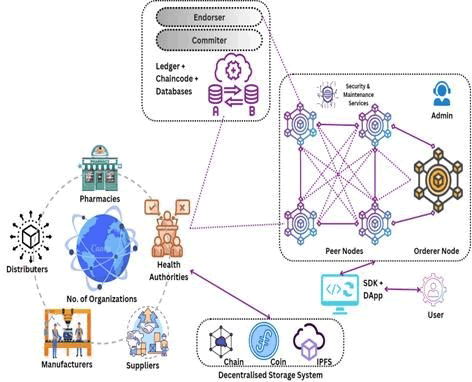
Figure 1: Hyperledger fabric blockchain architecture.
Situated at the heart of the system is the Hyperledger fabric blockchain, which is represented as a decentralized storage system (IPFS), an orderer node and a network of peer nodes. Validating transactions and keeping a copy of the ledger are the responsibilities of the peer nodes. Conflicting records are avoided by the orderer node, which makes sure that transactions are performed consistently. Records are maintained in a reliable and safe manner thanks to the decentralized storage system (IPFS), which houses the blockchain data.
The technology makes use of a "chaincode," or smart contract, which establishes the guidelines and reasoning for handling drug transactions. For example, it could state that information about the movement of a specific medicine can only be recorded by those that are authorized.
Multiple security mechanisms are also integrated into the system. Prior to transactions being put to the blockchain, the endorser and committer make sure they have been officially approved and verified. In addition to guaranteeing that only valid transactions are logged, this stops unwanted changes. Assuring data integrity and defending against attacks are two ways that the security and maintenance services enhance the network's overall security.
With the use of a DApp and SDK, the system enables authorized users to see and query blockchain data. Due to the capacity to track medication movement in real time, the supply chain is made more transparent and accountable. In order to confirm that a drug batch is authentic and safe for consumption, for example, a pharmacist could use the system to do so.
The significance of stakeholder participation is further emphasized by the illustration. To exchange data and maintain the integrity of the pharmaceutical supply chain, the system depends on the collaboration of producers, distributors, suppliers and pharmacies. The distributed ledger feature of the blockchain, which offers a shared record accessible to all authorized parties, makes this cooperative approach possible.
Proposed solution
The distributed ledger technology known as blockchain, which securely saves data via a decentralized network of computers, is the foundation of this system. An unchangeable record of each drug's route from production to use would be produced by this novel approach. Envision a mechanism wherein producers register medications on the blockchain, incorporating distinct identifiers, batch numbers, and expiration dates. Secure access to the blockchain would be provided to all approved supply chain parties, including pharmacies, hospitals, and distributors. The blockchain would record each time a medicine is transferred, whether it is during production, distribution, storage or transit. A comprehensive and authenticated history of the drug's travel would be provided by these records, which would also contain timestamps and tamper-proof digital signatures. With this increased transparency, responsible parties across the supply chain may monitor the whereabouts and condition of any medication in real time. To avoid stockpiling and guarantee prompt delivery to patients in need, the system would also monitor drug inventory levels at every stage.
The adoption of a drug tracking system based on blockchain technology presents several benefits. Above all, more openness provides all parties involved with vetted information about each medication in the system. In the supply chain as a whole, this promotes responsibility and confidence. Additionally, the data integrity is protected from illegal adjustments by the inherent immutability of blockchain technology. The possibility of fake medications entering the supply chain is greatly reduced as a result. Finally, by allowing the exact identification of certain batches on the blockchain, the method makes medicine recalls more efficient by enabling quicker and more focused responses. The capacity to forecast and manage stocks more effectively is made possible by real-time data on inventory levels, which also ensures that critical medications are available when they are most required.
Important characteristics:
• Registration of drugs: Manufacturers enter unique identifiers, batch numbers and expiration dates when registering drugs on the blockchain.
• Safe access: Distributors, hospitals and pharmacies are among the authorized supply chain participants who have safe access to the blockchain.
• Real-time tracking: Using tamper-proof digital signatures and timestamps, the blockchain tracks every movement of the medication during its manufacture, distribution, storage and transportation.
• Inventory management: To ensure that patients in need receive their medications promptly and to prevent stockpiling, the system keeps track of drug inventory levels at every step
Advantages:
• Enhanced transparency: The system fosters accountability and self-assurance by giving all stakeholders access to verified information on every drug in the system.
• Data integrity: Since blockchain technology is inherently immutable, it guards against unauthorized changes to data, which lowers the likelihood of counterfeit drugs getting into the supply chain.
• Effective recalls: By precisely identifying certain batches on the blockchain, the system makes it possible to respond to medication recalls more quickly and precisely.
• Better inventory management: Up-to-date information on stock levels makes it possible to plan and manage supplies more skillfully, guaranteeing that essential pharmaceuticals are available when needed.
Conclusion
The prevalence of counterfeit pharmaceuticals in the global pharmaceutical sector is a huge public health risk. Traditional drug distribution system tracking mechanisms are frequently opaque and easily manipulated, producing an atmosphere conducive to counterfeiting. Blockchain technology, by using its key features of immutability, transparency and security, can produce an unchangeable record regarding a drug's route from manufacturing to patient use. This increases responsibility throughout the supply chain, allowing stakeholders to effectively identify and remove counterfeit products. A blockchain-based medicine tracking system addresses counterfeiting on numerous fronts. It improves supply chain trust, reduces counterfeiting risk and optimizes the administration of stocks by providing an immutable and transparent record of a drug's path, as well as real-time tracking capabilities. Additionally, the system's pinpoint traceability permits stakeholders to carry out customized recalls, hence improving the security of patients.
References
- Cao Y, Guan S, Wang D, Wang Z (2024) BE-AC: Reliable blockchain-based anti-counterfeiting traceability solution for pharmaceutical industry. Cluster Comp 27: 8119-8139.
- Gomasta SS, Dhali A, Tahlil T, Anwar MM, Ali AM (2023) PharmaChain: Blockchain-based drug supply chain provenance verification system. Heliyon 9: e17957.
[Crossref] [Google Scholar] [PubMed]
- Bandhu KC, Litoriya R, Lowanshi P, Jindal M, Chouhan L, et al. (2023) Making drug supply chain secure traceable and efficient: A blockchain and smart contract based implementation. Multimed Tools Appl 82: 23541-2368.
[Crossref] [Google Scholar] [PubMed]
- Babu ES, Kavati I, Nayak SR, Ghosh U, Al Numay W (2024) Secure and transparent pharmaceutical supply chain using permissioned blockchain network. Int J Log Res Appl 27: 2839-2866.
- Uddin M, Salah K, Jayaraman R, Pesic S, Ellahham S (2021) Blockchain for drug traceability: Architectures and open challenges. Health Informatics J 27.
[Crossref] [Google Scholar] [PubMed]
- Musamih A, Salah K, Jayaraman R, Arshad J, Debe M, et al. (2021) A blockchain-based approach for drug traceability in healthcare supply chain. IEEE Access 9: 9728-9743.
- Uddin M (2021) Blockchain Medledger: Hyperledger fabric enabled drug traceability system for counterfeit drugs in pharmaceutical industry. Int J Pharm 597: 120235.
[Crossref] [Google Scholar] [PubMed]
- Muniandy M, Ern GO (2019) Implementation of pharmaceutical drug traceability using blockchain technology. INTI J 2019.
- Panda SK, Satapathy SC (2024) Drug traceability and transparency in medical supply chain using blockchain for easing the process and creating trust between stakeholders and consumers. Personal Ubiquitous Comp 28: 75-91.