Spanish
  Chinese
  Russian
  German
  French
  Japanese
  Portuguese
  Hindi
Hindi Review Article, J Womens Health Vol: 14 Issue: 3
Digital Innovation for Women Health Education is All You Need
Mukul Bedwa*, Nishtha Hooda and Vikram Kumar
Department of Computing, Indian Institute of Information Technology, Una, India
- *Corresponding Author:
- Mukul Bedwa
Department of Computing, - Indian Institute of Information Technology, Una,
- India,
Email: mukulbedwa.jrf01@iiitu.ac.in
Received date: 30 May, 2024, Manuscript No. JWHIC-24-141627;
Editor assigned date: 03 June, 2024, PreQC No. JWHIC-24-141627 (PQ);
Reviewed date: 18 June, 2024, QC No. JWHIC-24-141627;
Revised date: 14 August, 2025, Manuscript No. JWHIC-24-141627 (R);
Published date: 21 August, 2025, DOI: 10.4172/2325-9795.1000546.
Citation: Bedwa M, Hooda N, Kumar V (2025) Digital Innovation for Women Health Education is All You Need. J Womens Health 14:3.
Abstract
Despite attempts to increase women’s health literacy over recent decades, a considerable portion of women remains unaware about prevalent chronic diseases. Increasing the awareness level is also crucial to meet the Universal Health Coverage (UHC) and Sustainable Development Goal (SDG)-3 of United Nations. The recent upsurge of interest in mobile applications and AI based conversational agents brings an opportunity to bolster health education among women, particularly in young female adults who frequently interact with such platforms in other contexts. Therefore, this study aims to achieve the following objectives through a questionnaire survey and interactions:
• Gain insights into women’s health awareness, well-being, and social connections
• Comprehend women’s views on the usability and acceptability of health-tracking mobile applications, and
• Offer practical recommendations or pathways to address their needs and concerns.
The survey underscores the emerging necessity for health awareness campaigns in the region and the development of tailored mobile applications catering to women’s requirements, including features like conversational agents for health education, personal care recommendation, legal awareness, and individual security. In the end, the study explores how AI based mobile applications can serve as innovative tool for fostering health awareness education and attaining fitness objectives, while also pinpointing areas for future research and development.
Keywords: Health education, Women, Mobile app, Chronic diseases, Conversational agents
Introduction
The Sustainable Development Goal (SDG)-3 aims to provide access to full range of quality health services to all people irrespective of their geographical location and financial status till life time and focus on development of early warning and risk reduction mechanisms by 2030. However, the recent report of World Health Organization (WHO) on Universal Health Coverage (UHC) highlights the slow progress in achieving the UHC and also highlights the importance of gender inequality in achieving the same [1,2].
WHO reveals that a quarter of annual deaths which occur globally in individuals are under the age of sixty, and four out of every five people who succumb to chronic diseases reside in low and middleincome nations [3,4] as presented in Figure 1. Some of the common chronic health conditions include heart disease, hypertension, stroke, cancer, diabetes, obesity, depression, HIV, etc. [5,6].
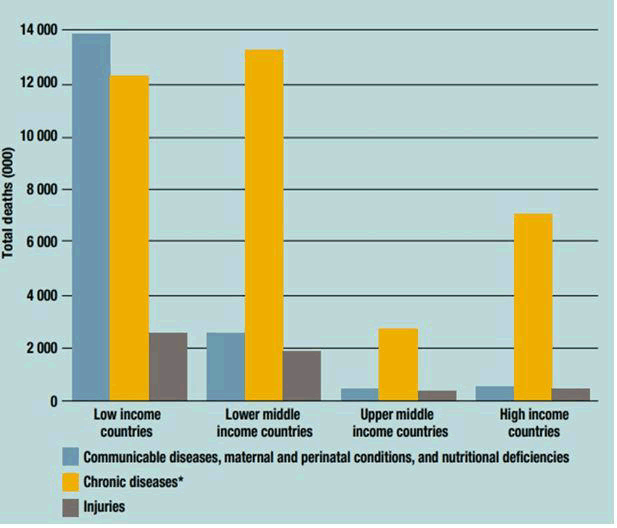
Figure 1: World Health organization survey on chronic diseases. *Chronic disease is defined as illnesses which lasts for a year or longer, requiring ongoing medical attention, need continuing medical care, or restrict everyday activities.
According to World Economic Forum, women experience incapacitating health for 25% longer in life [7]. Addressing gender disparities in health outcomes is crucial for promoting the well-being and empowerment of women. Moreover, it also has favourable impacts on economy and all demographics and regions stand to gain [8]. The greatest potential is observed among women aged twenty to sixty who are actively engaged in the workforce [9]. This highlights womenâ??s health as a distinct market segment and need of the hour to achieve SDGs target by 2030.
The global efforts in womenâ's health are undergoing significant shifts and considerable advancements have been made in numerous areas over the past few decades. However, substantial gaps still persist particularly in developing countries such as India. According to statistics from the World Health Organization [10], India exhibits a maternal mortality rate of 174 deaths per 100,000 live births, markedly higher than neighboring countries. Similarly, an estimated 50 million women in India experience challenges related to reproductive health.
The top 10 health issues for women identified by WHO are cancer, reproductive health, maternal health, HIV, sexually transmitted infections, violence against women, mental health, non-communicable diseases, being young, and getting older [11]. Unfortunately, Sexual and Reproductive Health (SRH) is the sole facet of womenâ's health which is often prioritized, leading to a significant under-representation of the health challenges a women encounter in her life. Research studies reveal that the health burden on women is attributed only 5% to sexual, reproductive, new born and child health. It is also reported that women have worse mental health than men in negative affect equations, irrespective of the measure used anxiety, depression, fearfulness, sadness, loneliness and anger [12]. This highlights the need to focus on other women health issues such as mental health and depression.
This article therefore aims to explore the general and mental wellbeing of women, their awareness about common chronic conditions, perception about the importance of health literacy, social connect, and acceptability of digital tools for general and personal health management. In particular, the study focuses on female population of various age groups in the different regions of the state of Himachal Pradesh (HP) in India, located in Western Himalayan region. Health education for women residing in hilly regions face unique challenges due to the geographical and socioeconomic factors characteristic of these areas.
According to Annual Survey for Education Report (ASER) in India, the count of smartphones in rural India surged more than double during COVID pandemic. More than 87% households in India have observed with smartphones and internet connectivity and Himachal Pradesh is positioned ahead of the average with 95% penetration. This suggests an increasing opportunity for leveraging digital technologies to increase the health awareness and provide technology based solutions to women health issues in Himachal Pradesh.
In order to design a technology-based solution, it is imperative to understand the health awareness, perception, acceptability, and desired requirements of female mobile users. The research study achieves this aim through a systematic questionnaire survey for female mobile users in the state of Himachal Pradesh planned against the backdrop of various dimensions presented in Figure 2.
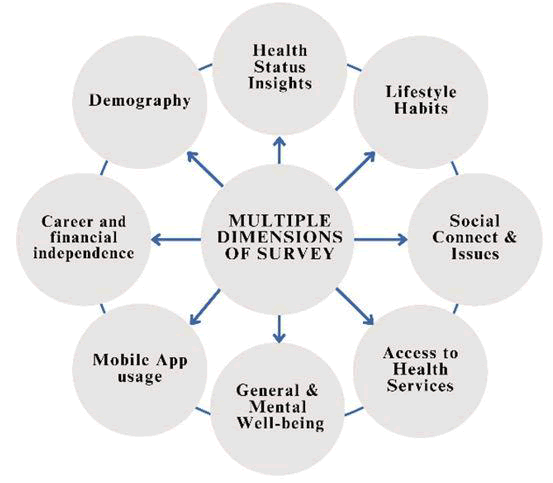
Figure 2: Multiple dimensions of women health survey.
The various activities of the research study conducted in different regions of the state of Himachal Pradesh are as follows:
Spatial analysis: To analyze the geographic space of the women participants.
Demographic analysis: To study the characteristics of female populations, such as age, education, income, medical history, and other socio-economic factors.
Health status analysis: To understand the health status of women participants including general and mental well-being.
Health literacy test: To check the awareness level of participants about prevalent chronic diseases.
Mobile app usage trend: To understand the perception of women about the usage of mobile apps for daily use as well as for health awareness and fitness goals.
Social connect analysis: To understand the social network of women participants, and understanding experience of about common societal issues
Requirements analysis: To collect the requirements of features present in mobile for health education and personal care.
Recommendations: To provide feasible recommendations or "ladders" for addressing issues, promoting well-being, and enhance socio-economic inclusion of women in different regions of Himachal Pradesh.
This survey is funded by the Himachal Pradesh Council for Science, Technology and Environment (HIMCOSTE), a nodal agency for the promotion of science and technology and creation of Environment Awareness in the State of Himachal Pradesh. The rest of the paper is organized as follows: Section 2 provides an overview about research contributions related to digital technologies for women health education and awareness. Section 3 describes the research method including questionnaire design, data collection, and area demography. The findings of the survey is discussed in Section 4. Section 5 presents the implications of the research study. Section 6 concludes the paper and suggests the future directions.
This section reviews the state of health awareness among women provides insight into both progress and persistent challenges across different regions and populations globally.
There has been a growing emphasis on health awareness campaigns targeting women [13]. Governments, international organizations, and Non-Governmental Organizations (NGOs) have launched various initiatives to educate women about preventive healthcare measures, reproductive health, family planning, and disease management. There is an increasing recognition of womenâ??s health as a global priority, leading to advocacy efforts to address gender disparities in healthcare access and outcomes. Organizations such as the World Health Organization (WHO), United Nations Population Fund (UNFPA), and various womenâ??s rights groups advocate for policies and programs that promote women's health and rights [14].
Advances in technology, particularly the widespread availability of the internet and mobile phones, have facilitated access to health information for women around the world. Online resources, mobile health applications, and tele-medicine services have empowered women to take control of their health and seek information on a wide range of health topics. Despite progress, gender disparities persist in access to healthcare services and health outcomes. Women in many parts of the world face barriers such as cultural norms, discrimination, and lack of decision-making power, which hinder their ability to access timely and appropriate healthcare [15]. Socioeconomic factors, including poverty, education levels, and income inequality, significantly impact womenâ??s health awareness and access to healthcare. Women from marginalized communities, rural areas, and low-income households often face greater challenges in accessing healthcare services and health information. Women around the world continue to face significant challenges related to reproductive health, including maternal mortality, unintended pregnancies, unsafe abortions, and Sexually Transmitted Infections (STIs) [16]. Limited access to reproductive healthcare services and comprehensive sexuality education exacerbates these issues.
Non-Communicable Diseases (NCDs) such as cardiovascular diseases, cancer, diabetes, and mental health disorders are emerging as major health challenges for women globally. Awareness, prevention, and early detection of these diseases remain inadequate, particularly in low and middle-income countries [17]. Inadequate healthcare infrastructure, including shortages of trained healthcare providers, medical facilities, and essential medicines, undermines efforts to improve womenâ??s health awareness and access to quality healthcare services, particularly in resource-constrained settings. Comparing the state of health awareness among women in developing and developed nations reveals both similarities and differences, shaped by various socio-economic, cultural, and healthcare system factors. Women in developing nations often face significant barriers to accessing healthcare services, including geographical barriers, financial constraints, and shortages of healthcare facilities and trained providers [18]. This lack of access hinders womenâ??s ability to receive timely and appropriate healthcare and contributes to poor health outcomes.
Breast and cervical cancers have emerged as major global health challenges and disproportionately affect women in low and middleincome countries. A research study is conducted in Nepal to map the knowledge, attitudes and screening practices for these cancers among women to improve cancer outcomes and reduce inequality. It is found that knowledge and screening practices for breast and cervical cancer among Nepali women were poor. It highlighted the need for awareness and education programs. Krokidi, et al. conducted a review spanning 2008-2022, highlighting the crucial role of health education in tailored campaigns and stakeholder involvement to improve vaccination rates nationwide, with particular attention to addressing women's reproductive health concerns. According to survey in Saudi Arabia, women were not able to fully comprehend the risk factors and symptoms of Thyroid cancer or the diagnostic methods and treatment for it. The results emphasize the value of health campaigns focused on women-in public places and on social media platforms to increase awareness of thyroid cancer. Malaysia has the worsts survival rates for breast cancer compares to other Asia Pacific countries. A social-media based framework was designed in Malaysia to promote woman awareness about breast cancer through low cost, convenience acceptable, and effective medium to reach the largest segment of the community. While there have been significant strides in promoting health awareness among women globally, persistent challenges remain in the developing countries. Addressing these challenges requires multi-sectoral approaches that prioritize gender equity, access to education, healthcare infrastructure strengthening, and community based interventions tailored to the specific needs of women and girls across diverse socio-cultural contexts.
Singh, et al. conducted a systematic review focusing on gender disparities in accessing healthcare services in India. Their study analysed research papers from various databases, highlighting challenges in accessibility, utilization, and health-seeking behaviour among women. Malhotra S, et al. the importance of gender in mental health is clear. Differences in mental disorder rates between genders, influenced by social factors, highlight the need for specific interventions to support women's mental well-being.
Tanusree Dutta, et al. Mental health research in India lags behind other health issues, despite the country's rising population.
This study aims to address this gap by examining mental health problems among youth aged 15-24, drawing from the 2006-07 Youth in India Survey. Sunilkumar, et al. This paper explores how nutrition impacts women's health in India amidst challenges posed by declining child sex ratios and gender imbalances. Gupta et al. studied obstetricians and primary healthcare professionals' knowledge, attitudes, and practices regarding per partum depression. Through an online survey with 53 respondents, the study found low routine screening rates despite high awareness of perinatal depression. The findings emphasize the urgency of educating healthcare providers to improve perinatal depression screening and patient care.
Theodora Koulouri, et al. explores the acceptance of chat bot for mental health support among young adults. It recognizes the need for improved mental health care and the potential of technology to address barriers. Three research activities are conducted: A survey of young adultsâ?? perceptions, a literature review on chatbot acceptability, and interviews with counsellors. The aim is to inform the development of chatbot interventions for young adultsâ?? mental health. Kusal et al. stated that Artificial Intelligence is reshaping human-computer interaction, particularly through conversational agents that simulate natural language. This article provides an extensive overview of conversational agents, exploring techniques like pattern-based, machine learning, and deep learning. It delves into tasks performed by conversational agents and how they can emulate human behaviour by incorporating emotions and sentiments. Additionally, it reviews deep learning methods and datasets, highlighting research gaps and future directions in conversational AI.
Wensheng Gan, et al. conducted a comprehensive investigation into the application of Large Language Models (LLMs) in smart education, shedding light on the transformative potential of these technologies within educational contexts. Their seminal work explores the intersection of artificial intelligence and education, highlighting the pressing need for innovative approaches to address challenges such as individualized learning, resource allocation, and teaching effectiveness assessment. By elucidating the essence of LLMs and their relevance to digital education, Gan et al. lay the groundwork for a systematic exploration of Educational Large Language Models (EduLLMs) and their implications for the future of learning. This literature review builds upon their pioneering research, offering a synthesis of current developments, challenges, and prospects in the burgeoning field of LLMs for education (LLM4Edu).
Kai He, et al.'s survey examines Large Language Models (LLMs) in healthcare, detailing their capabilities, development, and unique challenges. It explores LLMsâ?? potential to enhance healthcare applications, compares PLMs with LLMs, and discusses training data, methodologies, and ethical concerns. The survey also compiles open-source resources for researchers. It concludes that a paradigm shift from PLMs to LLMs is underway, reflecting advancements in AI approaches and methodologies.
Marco Cascella, et al. examine the emergence of Large Language Models (LLMs) in medical applications, focusing on their potential in healthcare settings. They highlight the increasing release of LLMs in 2023, particularly for tasks like chatbots and medical literature summarization. The article discusses the challenges and prospects of deploying LLMs in diagnostics, clinical decision support, and patient care. It underscores the need for healthcare professionals to grasp the evolving technology and its implications, while envisioning future applications such as versatile biomedical AI systems and virtual clinical partners for improved patient engagement and disease management.
Conrad W Safranek, et al. delves into the evolving role of Large Language Models (LLMs), such as ChatGPT, in medical education. Written from the perspective of medical students, it examines both the potential and limitations of LLMs in this domain. The authors identify positive use cases, including aiding in brainstorming for differential diagnoses, providing interactive practice cases, and assisting in multiple-choice question review. However, they also highlight shortcomings, such as the inability to integrate contextual information and comprehend nonverbal cues. This editorial emphasizes the importance of understanding LLMsâ?? strengths and weaknesses as they become increasingly integrated into healthcare and medical education.
Malik Sallam's systematic review investigates the utility of ChatGPT and its potential limitations in healthcare education, research, and practice. Through a systematic search of PubMed/MEDLINE and Google Scholar, the review identifies a range of benefits and applications, including its use in scientific writing, healthcare research, and practice, such as cost-saving, documentation, and personalized medicine. However, concerns are also raised regarding ethical issues such as bias, plagiarism, and transparency. Despite the promising applications of ChatGPT, caution is urged in its adoption, emphasizing the need for a code of ethics and responsible practices in its use within healthcare.
Francesco Baglivo, et al. investigates the potential use of AI chatbots as educational support tools in public health training. Medical students underwent a vaccination training session where they completed a webbased test, and AI chatbots assisted in correcting their answers. The study aimed to assess the performance of AI chatbots compared to students on multiple-choice medical questions in Italian. Results showed that AI chatbots outperformed students, particularly in direct and scenario-based questions. Student feedback indicated high satisfaction and a desire for future AI chatbot-based educational experiences. Yasmina Al Ghadban, et al. explores the practical application of Retrieval-Augmented Generation (RAG) based models, particularly SMART health GPT, in enhancing healthcare education, specifically focusing on maternal care in low- and middle-income countries. The development process of the RAG pipeline, including knowledge base creation, knowledge embedding retrieval, parameter selection, and answer generation, is detailed. This case study underscores the potential of Large Language Models (LLMs) in building frontline healthcare worker capacity and improving guidelinebased health education in resource-limited settings [19,20].
Materials and Methods
This section explain the research method used for the study including the complete questionnaire design, data collection techniques, and area demography.
Questionnaire design
The questionnaire consists of 22 items divided into two different sections covering various factors as presented in Figure 3. The first section covers general information, health information, and health awareness. The second section covers the social connect, experience of social issues, digital tools and the acceptability of mobile apps for healthcare services.
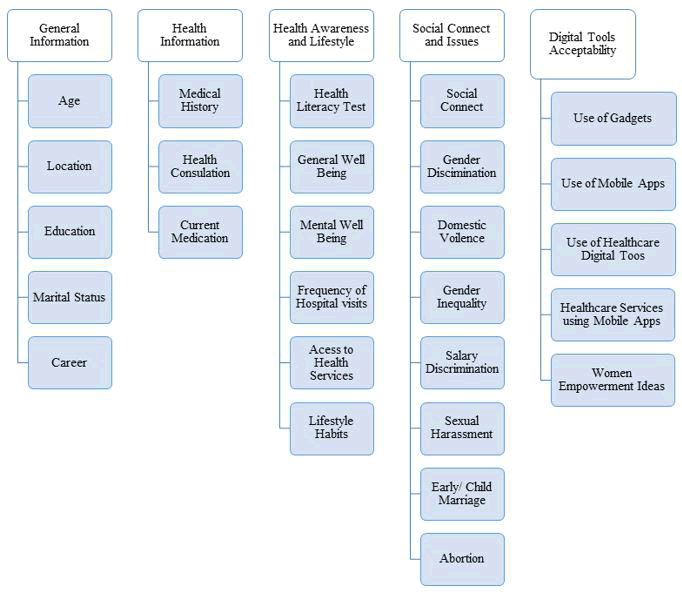
Figure 3: Detailed dimensions of women health survey.
In the first section, the general information covers the details of age, place, education, marital status, and employment which helps in analysing the background of the women respondents.
The health information explores the medical history, current medication and the possibility of common health issues in women such as stress, anxiety, seizures/stroke, POCD, cervical cancer, thyroid, diabetes, cancer, and depression. The rationale is advocate the count of women who requires health services more frequently.
In health awareness and lifestyle, health literacy test covers the awareness of the women respondents about the common chronic diseases using likert scale. This section also records the general and mental well-being of women respondents along with the lifestyle habits of women particularly focusing on caffeine intake, alcohol and smoking, gadget usage, obesity, and sleep disorders, frequency of hospital visits, and ease of access to professional health consultancy.
The second section of the survey explores the social connect, awareness and experience of women regarding gender inequality, salary discrimination, domestic violence, sexual harassment, child marriage, and abortion. Subsequently the career aspects, awareness of women related to healthcare mobile apps, and acceptability of mobile apps for different purposes.
Data collection
A total of three hundred sixty-six women respondents provided the health survey responses from different parts of the state of Himachal Pradesh from September to January, 2024. Data collection considers the female respondents of all ages, education levels, different marital status and employment status. The survey is kept anonymous to preserve the identity and privacy of the women. The characteristics of women respondents and their count in presented in Table 1.
| Characteristics | Factor | Count (N) | N% |
| Age | <17 | NIL | 0 |
| 17-25 | 195 | 53 | |
| 26-50 | 155 | 42 | |
| 50-80 | 16 | 5 | |
| <80 | NIL | 0 | |
| Place | Bilaspur | 30 | 8 |
| Chamba | 44 | 12 | |
| Hamirpur | 85 | 23 | |
| Kangra | 33 | 9 | |
| Kinnaur | 4 | 1 | |
| Kullu | 24 | 7 | |
| Lahaul spiti | 16 | 4 | |
| Mandi | 24 | 7 | |
| Shimla | 36 | 10 | |
| Sirmaur | 4 | 1 | |
| Solan | 24 | 7 | |
| Una | 42 | 11 | |
| Total | 366 | 100 | |
| Education | Ph.D | 14 | 3 |
| Post- Graduation | 108 | 30 | |
| Graduation | 183 | 50 | |
| 10+2 | 36 | 10 | |
| Below 10+2 | 25 | 7 | |
| Marital status | Married | 126 | 34 |
| Unmarried | 236 | 65 | |
| Divorced | 4 | 1 | |
| Employment status | Employed | 113 | 31 |
| Unemployed | 253 | 69 | |
| Medical history of diseases | Yes | 110 | 30 |
| No | 256 | 69 | |
| Currently on medication | Yes | 113 | 31 |
| No | 253 | 69 |
Table 1: Demographic analysis of respondents.
HP demography
Himachal Pradesh is characterized by its mountainous terrain, with the majority of the landmass covered by the Himalayan range. It is home to several peaks, including the famous Rohtang Pass and the Dhauladhar range. Situated in Western Himalayas, Himachal Pradesh is distinguished by its pristine natural beauty. The state consists of 12 districts. As per details from Census 2011, population of the state is 6,864,602 with 3,382,729 (49%) female residents.
Results and Discussion
This section discusses the findings of the research survey.
Demographic and education level analysis
The demographic analysis of the survey data sheds light on the diverse characteristics of the women respondents. The age distribution, ranging from 17 years to 80 years demonstrates a broad representation of individuals with a notable concentration of 17-25 age group. The spatial analysis of participant responses is presented in Figure 4 reveals significant contributions of female respondents from Hamirpur region, constituting the highest number of responses. The data has 44 respondents from Chamba indicating a substantial participation from this region followed by Una and Kangra with 42 and 33 responses respectively.
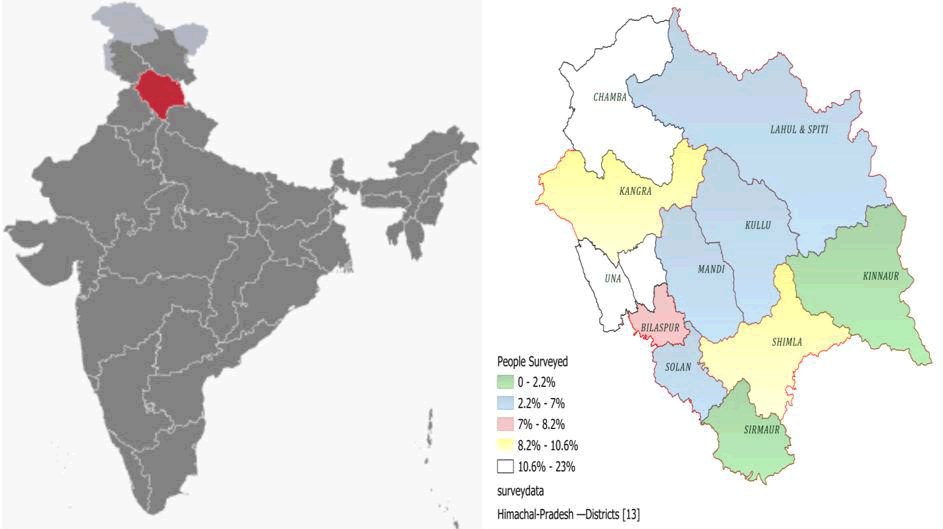
Figure 4: State of Himachal Pradesh highlighted in Map of India (left) spatial analysis of women participants (right).
It is observed that 93% percent of the participants have completed their school education. Only a small chunk (7%) of the respondents have not completed their school education. It is noted that more than 50% of the participants are undergraduate and more than 30% of participants have completed the post-graduation and PhD.
Hence, the respondents are spread over all districts of HP and most of them are quite young with a few exceptions of middle age group and old agree group. Most of them are literate, some of them are even with PhD degree. Therefore, the analysis the data may provide factual information about the various factors under consideration.
Health status insights
Health evaluation: The data analysis reveals that only 18% of the women feels that they are maintaining excellent health. It is quite concerning that 71% of the women have reported their health as average and 11% of the women even reported below average or poor as presented in Figure 5.
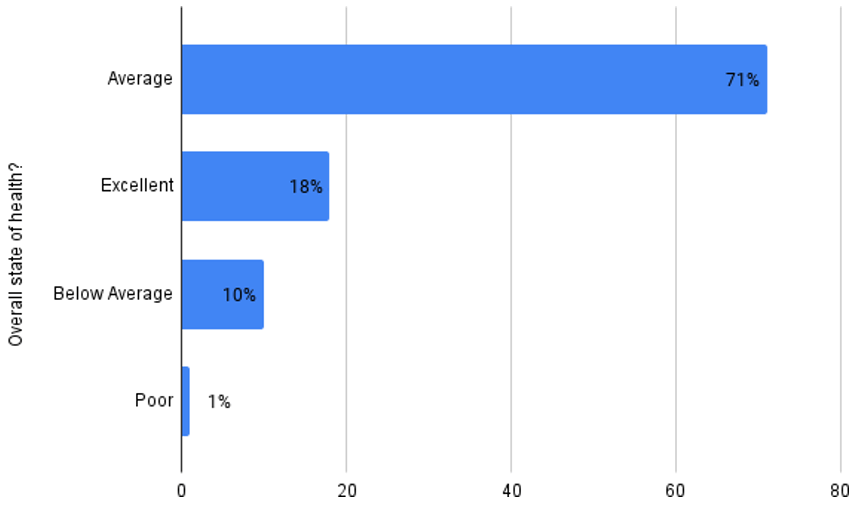
Figure 5: Health evaluation of women respondents.
Medical history: It is observed that 69% (253 respondents) don't have any medical history of the chronic diseases and only 31% respondents have medical history of chronic diseases as presented in Table 1.
Health consultation and current medication: The survey analysis revealed that 77% of the respondent are not being on any medication and 23% have chronic diseases and they are taking medication for the same as presented in Table 2. This insight is vital as it not only provides a snapshot of the overall health status of the participants but also highlights a significant majority managing their health quite well.
| Common chronic health diseases | ||||
| Stress depression anxiety hypertension hypotension | ||||
| Thyroid cervical cancer breast cancer PCOD | ||||
| Women awareness level | ||||
| Very poor | Below average | Average | Above average | Excellent |
Table 2: Health literacy test of women.
It is noticed that out of 83 respondents who are taking medicines for chronic diseases, there are only 17% respondents who have not taken any professional help before initiating medication. This shows the lack of awareness among woman about the importance of professional consultation and prescribed medicines.
Health awareness and lifestyle
Health literacy test: The rationale of the health literacy test is to check the awareness of the participants about common chronic health conditions among women. The participants are interviewed about the common chronic conditions of the women such as stress, anxiety, depression, hypertension, hypotension, thyroid, cancer (breast cancer and cervical cancer), Polycystic Ovarian Disease (PCOD). The health literacy test is conducted on likert scale presented in Table 3. The following is observed from the results:
- Stress, anxiety, and depression: More than 40% of the women participants are not well aware about the common mental health problems among women.
- More than 44% women are not aware of the hypertension (high blood pressure) and hypotension (low blood pressure) conditions.
- More than 50% women are not much aware of the thyroid, PCOD, and cancer conditions.
| Chronic diseases | 1 Very poor | 2 Below average | 3 Average | 4 Above average | 5 Excellent | |||||
| Count | N% | Count | N% | Count | N% | Count | N% | Count | N% | |
| Stress | 91 | 25 | 70 | 20 | 64 | 17 | 67 | 19 | 74 | 20 |
| Anxiety | 104 | 29 | 62 | 17 | 59 | 63 | 63 | 18 | 78 | 22 |
| Depression | 104 | 29 | 72 | 20 | 54 | 59 | 59 | 16 | 77 | 21 |
| Hypertension | 109 | 30 | 51 | 14 | 71 | 49 | 49 | 13 | 86 | 24 |
| Hypotension | 98 | 27 | 60 | 17 | 73 | 54 | 54 | 14 | 81 | 23 |
| Thyroid | 135 | 37 | 55 | 16 | 75 | 20 | 45 | 13 | 56 | 16 |
| Cervical cancer | 170 | 47 | 58 | 16 | 51 | 14 | 35 | 10 | 52 | 14 |
| Breast cancer | 155 | 43 | 55 | 16 | 51 | 14 | 46 | 13 | 59 | 16 |
| PCOD | 131 | 36 | 56 | 16 | 43 | 12 | 62 | 17 | 74 | 20 |
Table 3: Health literacy test of common chronic diseases.
General well-being: It is observed from the Figure 6 that 49% of the women respondents feel sick rarely while 34% of women respondents have an occasional frequency of falling sick. However, 17% of women claims to fall sick more frequently.
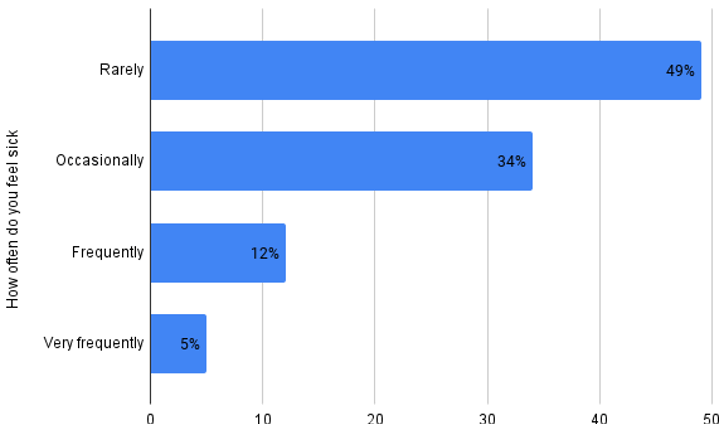
Figure 6: How often do you feel sick.
Mental well-being: This question provides insights about the feelings experienced by women respondents in the past 12 months. The respondents are provided with seven options as lack of motivation, unhappy or down, loss of interest, unable to stop worrying, feeling nervous, stress and none of the above as presented in the Figure 7. It is observed that 38% of women participants feel lack of motivation or lack of energy. 35% of the women feel unhappy or down and 29% feel loss of interest are highest observed feeling among women respondents in past 12 months regardless of whether they have been diagnosed or not.
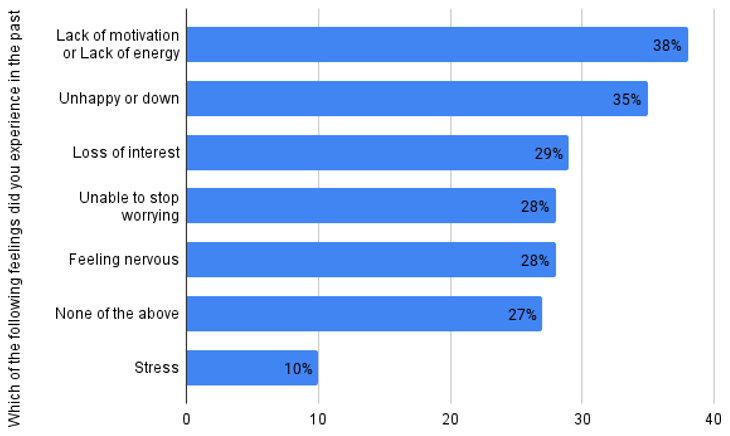
Figure 7: Feelings experienced in past 12 months.
The analysis revealed an alarming point that a total of 73% of the respondents reported mental health worries in past 12 months.
Frequency of hospital visits: This question highlights the frequency of hospital visit in female respondents. Respondents are asked about how frequently they visit hospital. From the Figure 8, it is clear that more than 60% of women frequently visit the hospital. This highlights the health status of women in the state of Himachal Pradesh. This also support the observation in the previous section that why most of the women evaluated their health in average or below average category (Figure 9).
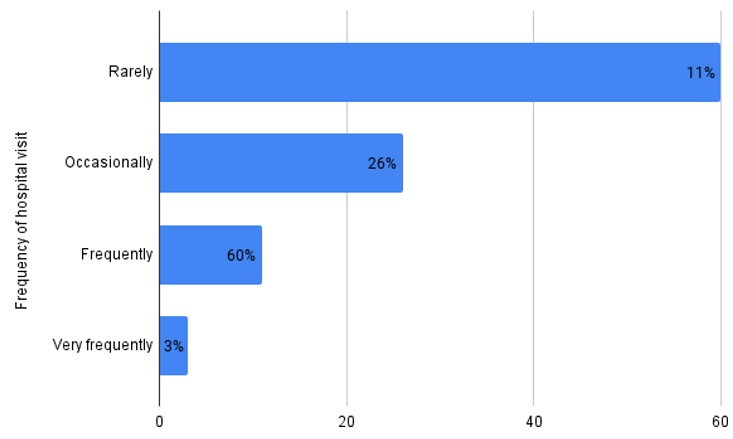
Figure 8: Frequency of hospital visits.
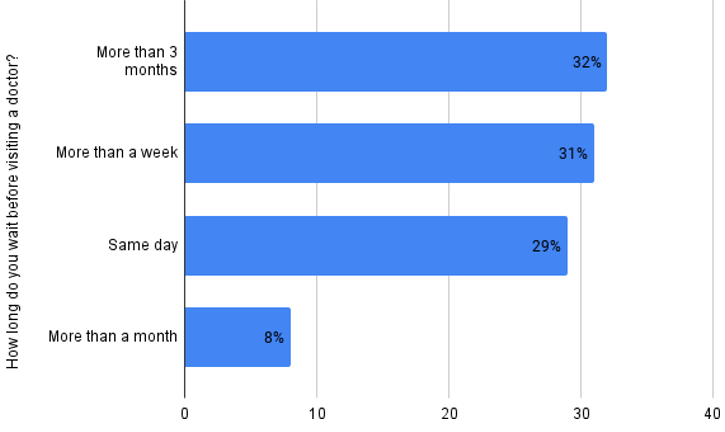
Figure 9: Waiting time to access professional support.
Waiting time before seeking health services: This question explores the availability of profession support to the women. The respondents were asked how long do they wait before seeking the professional support. It is observed from Figure 10 that 32% of women wait more than 3 months while 31% of women wait more than a week to seek professional support. It is noticed that more than 60% of the women respondents do not opt for professional help on the same day or within a week. This shows the lack of awareness among women regarding the symptoms of chronic conditions and it is a worrisome situation.
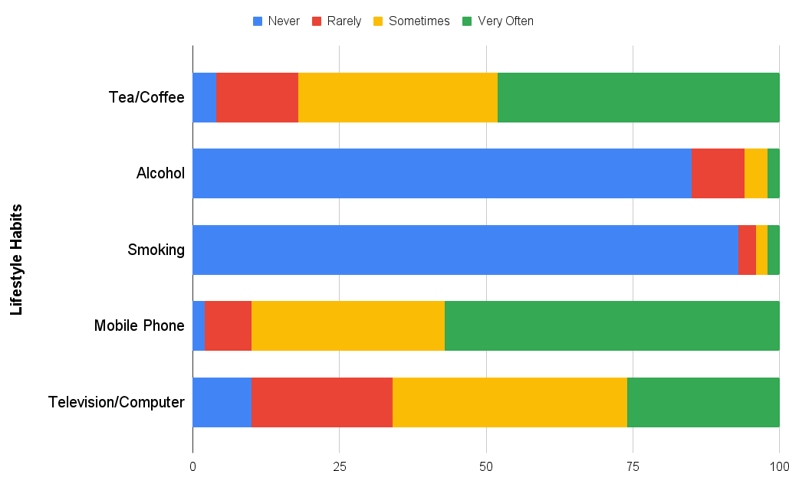
Figure 10: Addiction of caffeine, alcohol, smoking, computer and mobile phone.
Life style risks
This section discusses the lifestyle risks such as addiction habits, physical activities, and sleep cycle of the women respondents.
Addiction habits: This question explores the addiction habits among women respondents. As presented in Figure 11, it is analysed that most of the women respondents (48%) in different regions of Himachal Pradesh are quite addicted to tea or coffee. It is surprisingly wonderful to observe that most of the women respondents have never consumed alcohol in their lifetime. It is also seen that the women respondents do not like to smoke too. However, it is noted that more than 50% of the women respondents are using mobile phone very often.
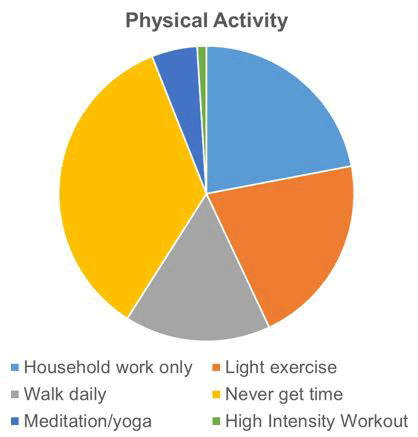
Figure 11: Physical activity of women respondents.
Physical activity: The women respondents were asked about the type of physical activity they perform in their daily life. It is observed in Figure 12 that majority (59%) of the women choose household work, light exercise and walk daily as their daily workout routine. However, 35% of the women respondents don't get time for the exercise on a daily basis. This shows negligence for meditation/yoga and some high intensity workouts. This shows the lack of awareness among women about the benefits of physical activity in their life.
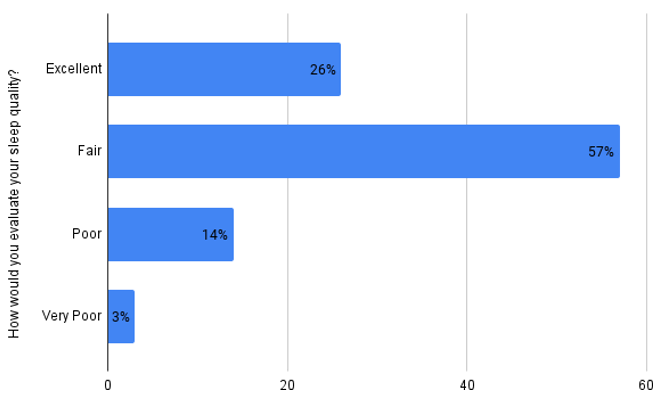
Figure 12: Insights of sleep quality of women participants.
Sleep quality: The women respondents were asked to evaluate their sleep quality. It is observed that 26% women participants are experiencing excellent sleep. Most the women participants (57%) shared that they did not experience excellent sleep but their sleep quality is fair. However, 18% women respondents shared that their sleep quality level is quite poor. Around 3% women participants also faced very poor quality and found themselves deprived of sleep most of the time.
Social connect, communication support, and social issues
This section explores the social connect, communication supports, and experiences of women respondents regarding common social issues in the society such gender discrimination, domestic violence, child marriage, sexual harassment, etc.
Social support from family and friends: The data underscores the critical role of social connections in women's lives. Strong support networks can provide emotional comfort and a sense of belonging contributing to improved mental and physical health outcomes. The results depicted in Figure 13 reveals a significant portion of women do not consistently receive social support from their friends and family. The finding that 48% of women do not receive support from family and friends most of the time along with 24% hardly receiving any social support, raises concerns about potential feelings of isolation, depression, and loneliness among these individuals.
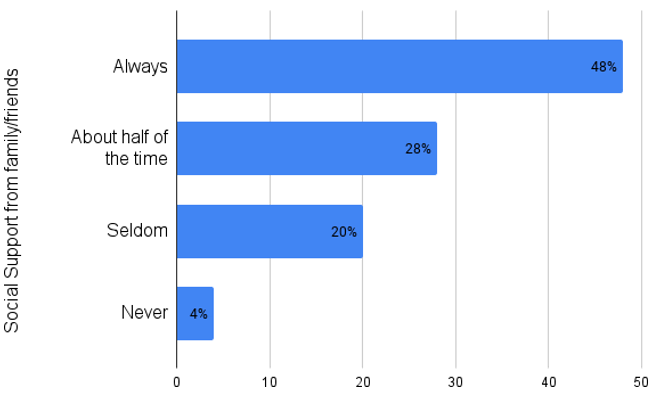
Figure 13: Insights about social support received by the women respondents.
Frequency of sharing concerns with family and friends: Addressing the barriers to sharing concerns with family and friends is crucial for promoting womenâ??s mental health and resilience. The results presented in Figure 14 highlights a concerning trend wherein only a small chunk (23%) of women respondents feel comfortable sharing their major concerns with family and friends. This suggests that a significant portion of women lack strong support networks, which can have adverse effects on their mental health and well-being. The majority (over 60%) of women participants preferring to share their concerns with family and friends occasionally indicates a potential communication gap or hesitancy in seeking support. The observation that only 6% of women contact their friends and family regarding their concerns on a weekly basis suggests the need for consistent emotional support. By promoting open communication, reducing stigma, and strengthening social support networks, we can enhance women's psychological well-being and resilience.
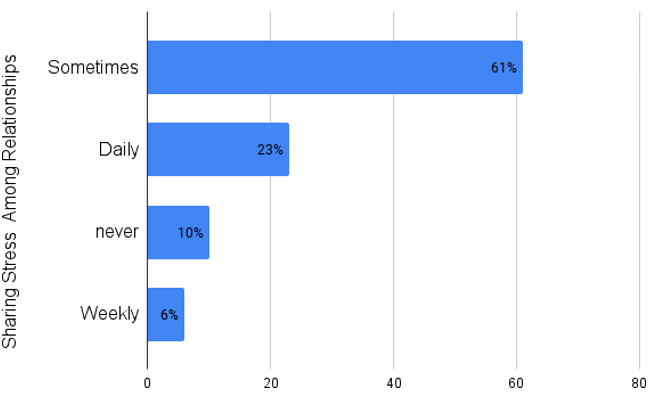
Figure 14: Social communication with family and friends.
Gender discrimination
The results presented in Figure 15 sheds light on the prevalence of gender discrimination experienced by women in their daily lives. While half of the women respondents reported never feeling discriminated against. However, a significant portion (26%) acknowledged experiencing gender inequality occasionally or frequently. The findings emphasize the importance of raising awareness among women about how to recognize and address gender discrimination in their daily lives. Education and empowerment programs can equip women with the knowledge and skills to assert their rights, challenge discriminatory practices, and advocate for gender equality in various spheres of life.
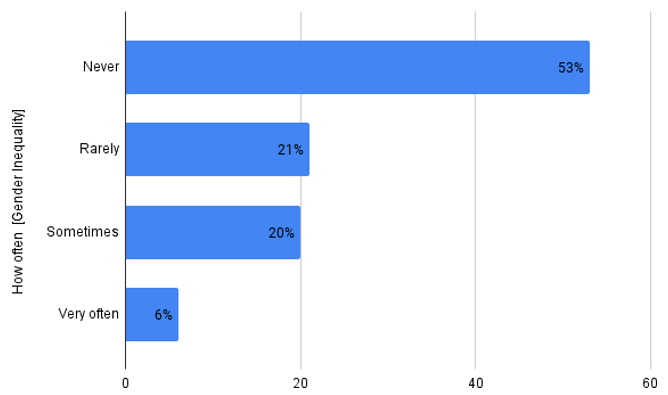
Figure 15: Experience regarding gender discrimination in the society.
Domestic violence
The findings from this segment of the study shed light on the prevalence of domestic violence among women. According to Figure 16, it is evident that 11% of women respondents have encountered domestic violence occasionally or frequently in their lives. The findings underscore the importance of implementing effective prevention and intervention strategies to address domestic violence. This includes providing support services for survivors, implementing legal protections, and promoting education and awareness programs to prevent violence and promote healthy relationships.
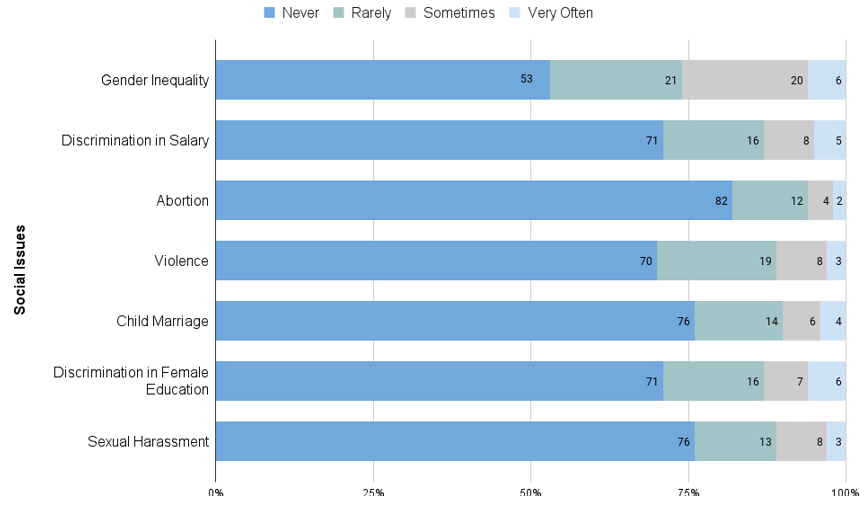
Figure 16: Experience regarding different social issues in the society.
Child marriage
The practice of child marriage significantly impacts the rights and well-being of girls. It often hinders their access to education and expose them to health risks. While the majority of women respondents (76%) reported never encountering or witnessing child marriage, 10% of women respondents witness such instances. This underscores the persistent nature of the issue within society.
Discrimination in female education
The repercussions of discrimination in education extend deeply into women's access to educational opportunities, academic success, and career advancement. Encounters with discrimination may dissuade women from seeking higher education, re-strict their access to essential resources and assistance, and exacerbate disparities in academic performance and professional progress. Despite the majority (70%) of female respondents affirming they have not encountered educational discrimination, the acknowledgment by 13% of them experiencing such situations occasionally or frequently highlights the enduring presence of discriminatory practices in the society.
Sexual harassment
The results of response to this question is presented in Figure 17 While the majority (76%) of women in the survey reported never experiencing sexual harassment, the fact that 11% of female respondents still indicated experiencing such issues sometimes or very often highlights the persistent nature of sexual harassment in society. This suggests that despite progress in raising awareness and implementing preventive measures, sexual harassment remains a prevalent concern for a notable portion of women.
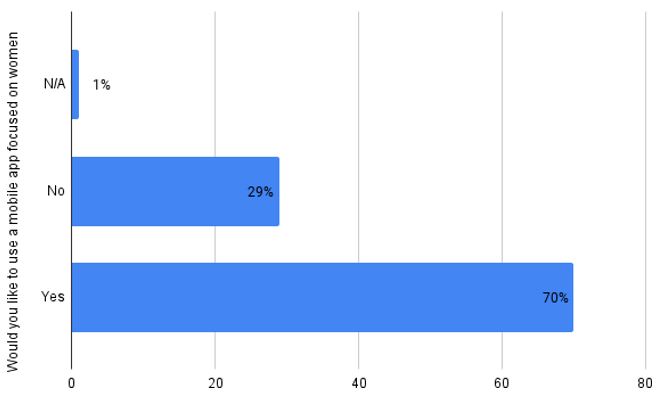
Figure 17: Interest in apps focused on women issues.
Digital tools awareness and acceptability
Digital tools acceptability refers to the degree to which individuals or communities are willing to embrace, adopt, and use digital tools in their daily lives. This section explores the assortment of mobile applications utilized by women for various purposes with a particular emphasis on those who utilized for healthcare purposes. The final segment delves into their expectations regarding healthcare applications.
Top mobile apps used by women respondents: In this section respondents were queried regarding the apps they predominantly use or utilize daily. The findings as illustrated in Table 4 are categorized accordingly. Notably, social media apps emerge as the most frequently utilized category. Approximately 68% of women aged 18-40 report using social media apps predominantly or on a daily basis. Moreover, around 18% of women aged 18-30 indicate using health apps, while approximately 12% within the age range of 18-40 engage with OTT and e-commerce apps daily. Additionally, 11% of female respondents aged 18-30 incorporate education apps into their daily routines. Lastly, a small proportion (2%) of women aged 18-25 report engaging in gaming activities.
| Category | Frequency | Apps | Age group of women respondents |
| Social Media | 250 | Facebook, Whatsapp, Instagram, Snapchat | 18-40 |
| Health | 65 | Damini, Flo-menstrual tracker, etc. | 18-30 |
| E-commerce | 45 | Myantra, Amazon, Flipkart | 18-40 |
| OTT | 43 | Disney Hotstar, Youtube | 18-40 |
| Education | 40 | DailyGk, daily hunt, civil stop | 18-30 |
| Games | 6 | Clash of clans, COD | 18-25 |
Table 4: Top used mobile apps shared by women respondents.
Use of health related mobile apps by women respondents: In this, women respondents were queried in detail about their usage of mobile apps for personal care and management. The apps recommended or reported by women respondents are presented in the Table 5. The following is observed from the results:
|
S. no. |
Category |
App name |
Purpose |
|
1 |
E-commerce |
Health kart |
For purchase of sports and health supplements |
|
Health mug |
Purchase health care products |
||
|
Pharmeasy |
Purchase of medicine |
||
|
Truemeds |
Purchase of medicine |
||
|
Care health |
For health insurance |
||
|
TATA 1 mg |
Medicine and book health test |
||
|
2 |
Health consultation |
Practo |
Doctor consultation and appointment |
|
Healthians |
Book medical tests |
||
|
3 |
Health management |
Workout for women |
Health guide, weight loss and calorie counter health guide, weight loss and calorie counter |
|
4 |
Mental health |
Think right: Meditation app |
Stress management and mental wellbeing |
|
Wysa: Anxiety, therapy chatbot |
Stress management and mental wellbeing |
||
|
Mood tracker: Self-care habits |
For mental health emotional tracker |
||
|
TalkLife |
Social networking for mental health and anxiety management |
||
|
VOS: Mental health AI therapy |
Mental health and anxiety management |
||
|
Calm |
Stress and anxiety management |
||
|
Betterbee |
Stress and anxiety management |
||
|
Heartfullness |
Meditation |
||
|
5 |
Personal care |
Flo-menstrual tracker |
Used for menstrual and ovulation tracking |
|
Fitter women |
Used for menstrual and ovulation tracking |
||
|
Health and her menopause app |
To track periods |
||
|
Healofy prenancy andparenting |
Track pregnancy |
||
|
Period diary |
Used to track pregnancy or cycles |
||
|
Gestational age calculator |
Pregnancy and baby age calculator |
||
|
Ovolution and period tracker |
Used for menstrual and ovulation tracking |
||
|
Pink piko |
AI based mood and emotional management |
||
|
6 |
Weight management |
Google fit |
Activity tracker, sleep tracker |
|
Pedometer |
Calculate steps |
||
|
Step tracker |
Calculate steps |
||
|
My health |
Health assistant for workout |
||
|
Fastic |
Weight loss, diet and health |
||
|
Yoga for beginner |
Exercise and workout |
||
|
Healthify me |
Health guide, weight loss and calorie counter |
||
|
Social boat |
Health guide, weight loss, period health, workout and diet |
||
|
7 |
Women empowerment |
Sheroes |
Business literacy and counselling |
|
Girltelligence |
Education about women empowerment for teenagers |
||
|
8 |
Women security |
Damini |
Used for giving warning to the user about the lightning on the basis of user location |
|
I’am safe |
Location tracking |
Table 5: Most common health care apps used by women respondents.
The women respondents are utilizing health related mobile apps for various purposes such as purchasing health supplements, medicines, booking medical tests, consulting doctors, managing health insurance, and tracking health-related metrics like weight, nutrition, exercise, activity levels, monitoring pregnancy, ovulation and menstrual cycles.
A significant number of apps are dedicated to mental health support offering features such as stress management, anxiety relief, meditation, mood tracking, and therapy chat bots. This indicates a growing recognition of the importance of addressing mental well-being through mobile applications.
A few apps focus on women empowerment, providing education, resources, and support for business literacy, counseling, and womenâ??s rights. Additionally, there are apps dedicated to women's safety offering features like location tracking and emergency alerts.
The range of apps reflects the diverse needs and interests of women encompassing various aspects of physical health, mental well-being, personal care, fitness, empowerment, and safety. This diversity highlights the potential for mobile technology to address a wide range of women's needs and enhance their overall quality of life.
Desired features wanted by users in app: The female participants were requested to identify the functionalities they considered as most valuable. The responses collected were subsequently categorized into four groups of features as detailed in Table 6. The predominant feature, according to the responses of the majority of women, fell under the category of health services. This category encompassed functionalities such as health chat bots, health awareness, health tracking, and menstrual tracking. Approximately 20% of female respondents expressed the necessity for security features such as location tracking and panic buttons, within the app for emergency situations. The third category pertained to professional support with roughly 19% of female respondents indicating a preference for features like dietary guidance, exercise routines, health testing, doctor consultations, and health counseling. Additional features or feedback provided by women included usability considerations such as the importance of userfriendly interfaces and easy navigation within the app.
| Category | Frequency | Example of respondents statements |
| Health features | 100 | Chat-bot, awareness about health issues, health tracker, menstrual tracker |
| Security features | 75 | Location and regular examine of women, women security, instant help on pressing a button |
| Professional support | 71 | Diet and exercises, health testing chat with doctor, health consultant |
| Usability | 10 | Easy to use, friendly GUI |
Table 6: Desired features in mobile apps shared by women respondents.
Financial independence of women respondents: The response of the women participating regarding their status of financial independence is presented in Figure 18. The high percentage of women (59%) indicating financial dependence on their families underscores the need for targeted interventions aimed at enhancing economic autonomy among women. Programs focused on financial literacy, skill development, and entrepreneurship can empower women to become financially independent and reduce their reliance on familial support
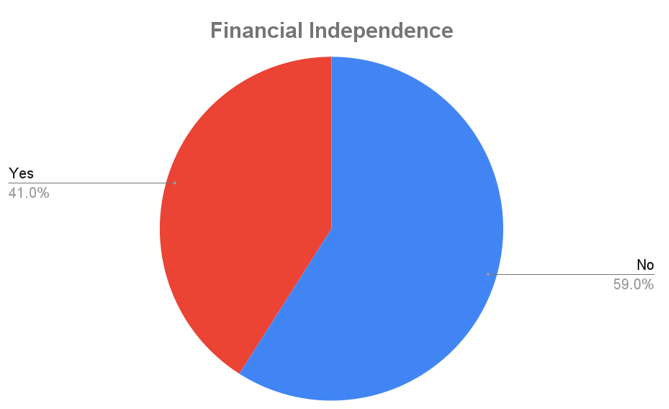
Figure 18: Insights about the status of financial independence in women respondents
Research implications
The various implications figured out by the research study are as follows:
Literacy promotion: The study illuminates a substantial disparity in women's understanding of prevalent chronic illnesses despite their extensive engagement with mobile devices for leisure and social interaction. The implications suggest that mobile applications hold promise as potent tools for advancing health literacy among women. Crafting and deploying mobile apps that furnish readily available information regarding common chronic ailments, customized to suit womenâ??s inclinations and interests may effectively narrow this information gap.
Utilization of conversational agents: With women frequently immersing themselves in chatting mobile applications capitalizing health education apps integrated with conversational agents can emerge as an avenue for disseminating knowledge about chronic diseases in an interactive and compelling manner.
Addressing mental health and well-being: The research also underscores the need to address women's mental health and general well-being particularly in the context of their stressful lifestyles. There is a potential for mobile apps to play a role in promoting mental health awareness and self-care practices among women. Developing mobile applications that offer resources, support, and guidance for managing stress, practicing self-care, and seeking professional help when needed can contribute to improving women's overall well-being
Privacy and support concerns: The research also reveals that many women face social issues such as gender dis-crimination, salary discrimination, domestic violence, and abortion but are hesitant to share their concerns with family and friends due to privacy issues, lack of education, and legal awareness. Additionally, a concerning finding is that a significant portion of women feel unsatisfactory support from their family members. These findings underscore the need for mobile apps to provide confidential and supportive resources for women facing social issues. Mobile applications that offer anonymous support forums, access to legal advice, and information on support services could help address the barriers to seeking help and support.
Tailoring interventions: It is crucial to consider the diverse needs and preferences of women when designing and implementing health promotion interventions using mobile technology. Tailoring mobile apps and conversational agents to cater to different demographic factors, such as age, cultural background, and socioeconomic status, can enhance their effectiveness and appeal among diverse groups of women.
Conclusion
The research study emphasizes the critical importance of promoting health education, addressing mental health, and well-being, and providing support for women facing social challenges using digital technologies. Mobile applications particularly those leveraging conversational agents and tailored interventions emerge as promising avenues for bridging the gap in women's understanding about chronic diseases fostering awareness and nurturing proactive health behaviors. Moreover, the findings bring attention to the need for personalized and confidential support resources to empower women in managing their health and social concerns. It is observed that customized conversational agents equipped with the latest technologies such as language models are definitely useful in achieving the SDG-3 target of 2030.
In future, a mobile application may be developed for women of hilly regions to leverage the emerging AI based conversational agents or chat bots. The rationale is to offer round-the-clock access and interactive conversations for accessing health information and allowing users to ask questions and receive instant responses at any time of day or night. These chatbot may offer personalized guidance and recommendations based on usersâ?? specific health concerns, demographics, and preferences.
Future Research Directions
Further research is needed to evaluate the effectiveness and longterm impact of mobile health interventions targeted at improving womenâ??s health literacy, promoting mental health awareness, and enhancing overall well-being. Additionally, exploring innovative approaches for integrating technology into womenâ??s health promotion efforts and addressing barriers to access and utilization of mobile health resources can inform future intervention development and implementation strategies.
Acknowledgment
We would like to express our sincere gratitude to the Himachal Pradesh Council for Science, Technology and Environment (HIMCOSTE) for their support and funding which made this research possible. We also extend our appreciation to all the participants who took part in the questionnaire survey as well as to the individuals and organizations who provided valuable insights and assistance throughout the course of this study. Their contributions have been invaluable in shaping the outcomes of this research.
References
- Bernell S, Howard SW (2016) Use your words carefully: what is a chronic disease?. Fro Pub Heal 4: 159.
[Crossref] [Google Scholar] [PubMed]
- Blanchflower DG, Bryson A (2024) The female happiness paradox. J Popul Econ 37: 16.
- Yang Y, Lai X, Li C, Yang Y, Gu S, et al. (2023) Focus on the impact of social factors and lifestyle on the disease burden of low back pain: findings from the global burden of disease study 2019. BMC Musculoskelet Disord 24: 679.
[Crossref] [Google Scholar] [PubMed]
- Cieza A, Causey K, Kamenov K, Hanson SW, Chatterji S, et al. (2020) Global estimates of the need for rehabilitation based on the Global Burden of Disease study 2019: A systematic analysis for the Global Burden of Disease Study 2019. Lancet 396: 2006-2017.
[Crossref] [Google Scholar] [PubMed]
- Das A, Chakraborty S, Imani A, Golestani M, Ajmera P, et al. (2023) Barriers to access health facilities: a self-reported cross-sectional study of women in India. Health Open Res 5: 30.
- Adler A, Biggs MA, Kaller S, Schroeder R, Ralph L, et al. (2023) Changes in the frequency and type of barriers to reproductive health care between 2017 and 2021. JAMA Netw Open 6: e237461-e237461.
[Crossref] [Google Scholar] [PubMed]
- Correa VC, Lugo-Agudelo LH, Aguirre-Acevedo DC, Contreras JAP, Borrero AMP, et al. (2020) Individual, health system, and contextual barriers and facilitators for the implementation of clinical practice guidelines: A systematic metareview. Health Res Policy Syst 18: 1-11.
[Crossref] [Google Scholar] [PubMed]
- Seidu AA, Darteh EKM, Agbaglo E, Dadzie LK, Ahinkorah BO, et al. (2020) Barriers to accessing healthcare among women in Ghana: a multilevel modelling. BMC Public Health 20: 1-12.
[Crossref] [Google Scholar] [PubMed]
- van-Gerwen OT, Muzny CA, Marrazzo JM (2022) Sexually transmitted infections and female reproductive health. Nat Microbiol 7: 1116-1126.
- Lindquist R, Boucher JL, Grey EZ, Cairns B, Bobra S, et al. (2012) Eliminating untimely deaths of women from heart disease: highlights from the Minnesota Women's Heart Summit. Am Heart J 163: 39-48.
[Crossref] [Google Scholar] [PubMed]
- Arun A, Prabhu MP (2023) Social determinants of health in rural Indian women and effects on intervention participation. BMC Public Health 23: 921.
[Crossref] [Google Scholar] [PubMed]
- Rademaker C, Bhandary S, Harder H (2022) Knowledge, awareness, attitudes and screening practices towards breast and cervical cancer among women in Nepal: A scoping review. J Public Health 1-33.
- Krokidi E, Rao AP, Ambrosino E, Thomas PP (2023) The impact of health education interventions on HPV vaccination uptake, awareness, and acceptance among people under 30 years old in India: a literature review with systematic search. Front Reprod Health 5: 1151179.
[Crossref] [Google Scholar] [PubMed]
- Alibrahim IS, Alnafei KH, Atwah RH, Altwyjri OA, Bassas RB, et al. (2023) Thyroid cancer knowledge and awareness among women in Makkah region, Saudi Arabia. Cureus 15.
[Crossref] [Google Scholar] [PubMed]
- Temkin SM, Barr E, Moore H, Caviston JP, Regensteiner JG, et al. (2023) Chronic conditions in women: the development of a National Institutes of health framework. BMC Womens Health 23: 162.
[Crossref] [Google Scholar] [PubMed]
- Singh S, Rajak B, Dehury RK, Mathur S, Samal A, et al. (2023) Differential access of healthcare services and its impact on women in India: A systematic literature review. Soc Sci 3: 16.
- Malhotra S, Shah R (2015) Women and mental health in India: An overview. Indian J Psychiatry 57: 205.
[Crossref] [Google Scholar] [PubMed]
- Kaushal S, Gupta J, Priya T (2023) Knowledge, attitude, and practices of healthcare providers about perinatal depression in Himachal Pradesh—a cross-sectional study. J Family Med Prim Care 12: 478.
[Crossref] [Google Scholar] [PubMed]
- Koulouri T, Macredie RD, Olakitan D (2022) Chatbots to support young adults’ mental health: an exploratory study of acceptability. ACM Transactions on Interactive Intelligent Systems (TiiS) 12: 1-39.
- Cascella M (2024) The breakthrough of large language models releases for Medical Applications: 1-year timeline and perspectives’. J Med Syst 48: 22.