Spanish
  Chinese
  Russian
  German
  French
  Japanese
  Portuguese
  Hindi
Hindi Research Article, Clin Dermatol Res J Vol: 11 Issue: 1
The potential role of colourless carotenoids on skin in conjugation with Glutathione: A Comprehensive review on White Tomato Extract
Aishwarya Gangwar* and Vipin SharmaFixderma India Pvt Ltd, Sector 54, Gurgaon 122011, Haryana, India
- Corresponding Author:
- Aishwarya Gangwar
Fixderma India Pvt Ltd, Sector 54, Gurgaon, Haryana (122011)
E-mail: aishwaryagangwar@gmail.com
Received: 02-Mar-2026, Manuscript No. cdrj-26-186961
Editor assigned: 04-Mar-2026, PreQC No. cdrj-26-186961(PQ)
Reviewed: 18-Mar-2026, QC No.cdrj-26-186961
Revised: 23-Mar-2026, Manuscript No. cdrj-26-186961 (R)
Published: 30-Mar-2026, DOI: 10.4172/2576-1439.1000248
Citation: Gangwar A, Sharma V (2026) The Potential Role of Colourless Carotenoids on Skin in Conjugation with Glutathione: A Comprehensive Review on White Tomato Extract. Clin Dermatol Res J 11:248.
Abstract
Carotenoids are referred to as photoprotective agents due to their antioxidant and UV absorbing properties. This activity increases in combination with other ingredients to provide synergistic effects. Apart from this, ingestion of carotenoids beyond photoprotection, has shown its additional benefit for dermal layer and thus effect on moisture and texture or elasticity of the skin, depending upon the levels of carotenoids with supplementation. Recently, colourless carotenoids i.e phytoene and phytofluene obtained from white tomato extract have gained attention due to their role in various dermatological issues. In contrast to this, glutathione has shown great potential in regulating melanogenesis. Thus, this review examines the role of these colourless carotenoids with glutathione on photoageing and depigmentation through synergistic effects and their growing relevance in dermatological care.
Keywords: Carotenoids; Phytoene; Phytofluene; Glutathione
Introduction
The epidermis is the outermost layer of human skin, which is made up of many layers. The melanocytes in the basal layer supply the keratinocyte, the primary cell type in the epidermis, with melanin, which gives the skin its colour. However, the skin colour is influenced by some other pigments like carotenoids that are natural pigments. They measurably contribute to the normal human skin colour, in particular with the appearance of "yellowness" [1,2]. They are essential for health and nutrition, serve as retinoid precursors, and, when accumulated in human skin, have aesthetic benefits [3]. These pigments are produced by photosynthetic organisms and are not produced by humans. Since they are necessary for a number of processes, the food must supply them [4]. The primary source of carotenoids is plants, mainly roots, flowers, fruits and seeds [5]. The presence of carotenoids in food is significant because they and their derivatives can contribute to health-promoting biological actions that may lower the risk of certain skin conditions, aside from the fact that some carotenoids serve as a source of vitamin A precursors and the majority serve as pigments [6]. The emerging concept of photoprotection through dietary interventions underscores the pivotal role of plant constituents, especially carotenoids and flavonoids, in shielding the skin from excessive light and UV damage [7]. They are therefore very interesting for the development of dermatological products, including functional foods, nutraceuticals, nutricosmetics, supplements, or novel formulations, for different skin conditions. Two significant dietary colourless carotenoids, phytoene and phytofluene, have drawn attention among the over 800 carotenoids because of their bioavailability and possible health benefits as they act as antioxidants also [8,9]. Many marketed formulations, like the Epifager formulation, have the power of these colourless carotenoids with white tomato extract, obtained from the fruit of organic white heirloom tomatoes, recognized for their diverse colour, shape, and adds advantageous attributes for the skin, including cosmetic benefits [10,11]. Notably, they have gained attention for their bioavailability and other potential dermatological benefits. Tomatoes, rich in carotenoids, particularly lycopene, are also linked to reduced risks of chronic diseases [12]. Human skin is constantly impacted by free radicals (FR), both internally and externally, which causes the skin to age and necessitates the use of antioxidants for defense [13]. As a new approach of protection against skin damage from UV light, the concept of endogenous photoprotection from white tomato extract has been developed. This comprises the ingestion of photoprotective compounds with supplements which are known to be distributed into tissues [14-16]. Numerous topical agents available for melasma treatment are also used to lighten the skin and to prevent skin ageing. However, nowadays, most preferably, oral or even topical agents are administered to obtain these results. Nutricosmetics, which connects food, nutrition, health, and cosmetics, views PT and PTF as possible ingredients for "beauty from within," in line with the increasing interest in dietary substances that enhance skin safety and attractiveness [17]. As, previous reviews do not provide a combined oral and topical formula synergistic approach indicating their depigmentation pathway while reducing oxidative stress thus reducing ageing on the skin along with the reduced form of glutathione. Thus, this review aims to provide a comprehensive overview and evaluation of the role of colourless carotenoids from the white tomato extract in skin health, highlighting their synergistic benefit with glutathione in providing photoprotection and melanogenesis regulation which has not been addressed in the previous literature.
Role of Dietary Carotenoids on Skin
Two major dietary colourless carotenoids are phytoene (PT) and phytofluene (PTF). The system of conjugated double bonds is the main structural characteristic of carotenoids and is largely responsible for key physicochemical characteristics. PT and PTF have much fewer conjugated double bonds relative to other major dietary carotenoids, as a result of which they exhibit important differences in some physico-chemical properties [18]. Both contain only 3 and 5 respectively, conjugated double bonds and absorb wavelengths covering the UV-B and UV-A range [19,20]. While most carotenoids are found in nature in the trans configuration, colourless carotenoids are found primarily in the cis configuration [21] (Figure 1). Lutein, lycopene, zeaxanthin, ß- cryptoxanthin, ß- carotene, and alpha-carotene comprise 60%–70% of plasma carotenoid content [22]. In particular, PTF is usually found as a mixture of different isomers [6]. The study (patent: WO/2022/238727) emphasizes the importance of glutathione in reduced form (GSH) and introduces heirloom tomatoes, grown without crossbreeding for over 50 years, as a unique source offering antioxidant benefits to cells [23,24]. The same study introduces heirloom white tomatoes as a unique avenue to explore increased glutathione levels, potentially enhancing antioxidant properties and skincare benefits [12]. Further in a study, many metalloproteinases (MMPs), such as elastase (MMP-12) is able to degrade extracellular matrix components such as elastin and are involved in tissue remodelling process. After treatment with tomato powder, it was clearly seen that levels of MMP-12 and inflammatory marker TNF-α were found to be significantly lowered as compared to injured groups. Thus, this property of tomato powder will impart certain anti-aging properties to fibroblastic cells even in skin [12]. Numerous studies in humans involving dietary supplementation with β-carotene have shown the protective potential. Other carotenoids, such as lutein, zeaxanthin and the annatto carotenoids (bixin and norbixin) have also been investigated in animals or in human epidemiological studies. β-Carotene (major sources are carrots, spinach, and apricot) plays a crucial role in human health, being the major precursor of vitamin A [25]. Lycopene is another one of the most potent antioxidants than alpha-tocopherol [26,27].
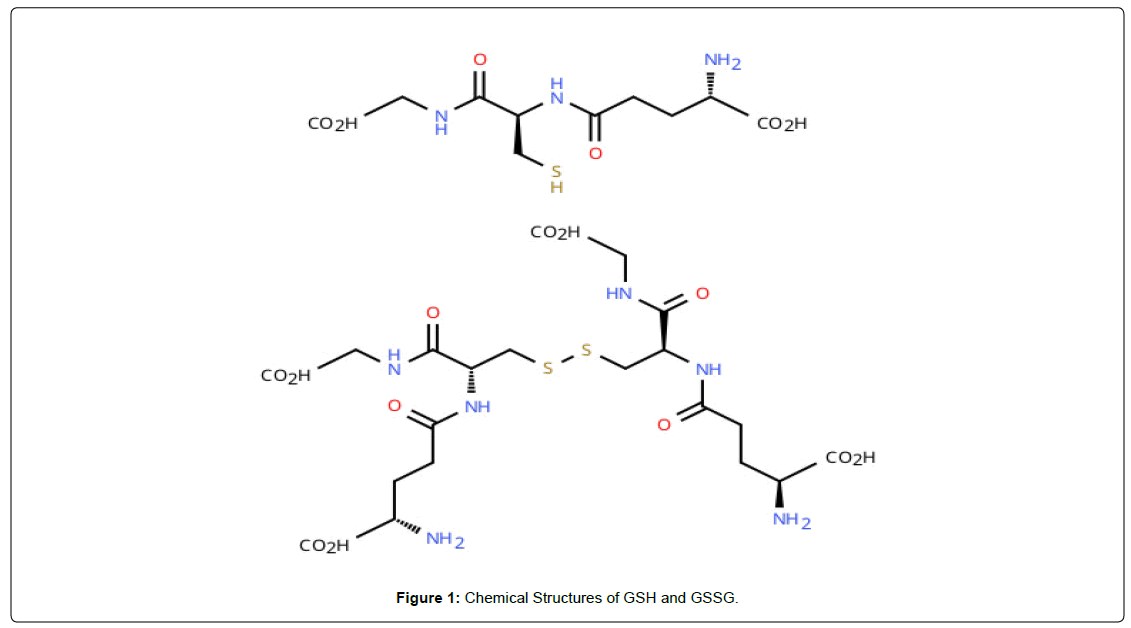
Figure 1: Chemical Structures of GSH and GSSG.
Carotenoids in skin ageing and photoprotection
Carotenoids are not equally distributed in the different skin areas, with the highest levels occurring in the skin of the forehead and in the palms of the hands and fewer in dorsal skin, inside of the arm or on the back of the hand [28]. Skin aging is a complex biological phenomenon consisting of two independent, clinically and biologically distinct processes, namely “intrinsic ageing” and “extrinsic ageing [29,30]. Extrinsic ageing (including “photoaging”) is the result of exposure to outdoor elements, primarily ultraviolet (UV) irradiation. Photoaged skin shows a number of age-associated clinical alterations, including deep wrinkles, sallow discoloration, and irregular pigmentation. Certain reactive oxygen species (ROS) produced excessively in the cells are involved in the process of skin ageing caused by UV exposure [31]. UVB induced H2O2 in keratinocytes causes melanocyte degeneration in the skin [32]. Thus, carotenoids help as they are dietary antioxidants that have a crucial role in neutralizing free radicals (FR) and can protect against photo-oxidative reactions and may be useful in the prevention of diseases related to photo-oxidative stress and photo ageing [33,34]. Skin ageing is influenced by external factors, such as ultraviolet radiation or photoaging [35,36]. The human skin is also under the constant influence of FR, both from outside and inside the body. They are produced continuously in the organism because of cellular metabolism [13]. Damage leads to a further increase in ROS and reduction in antioxidant capacities leading to cellular aging [37]. In that case, carotenoid molecules in tissues are capable of neutralizing several FR attacks, especially by ROS [38]. Most of the studies showed that an increased intake of carotenoids is associated with a decrease of UV-induced erythema reaction (sunburn), ageing and pigmentation [39]. In a recent study, a randomized, double-blind study was conducted on a formula with novel tomato extract, demonstrating a 35% increase in skin hydration and 15% increase in skin rejuvenation after 8 weeks of intervention [40]. In another study, the groups fed with tomato extract or tomato flavonoids had additional synergistic protection and their levels increased during intervention. In another intervention study, the effects of a tomato-based supplement providing lycopene, phytoene, phytofluene, tocopherols, and phytosterols were examined on acute cutaneous photodamaged skin. Over 16 weeks, a study was conducted on human subjects, and the efficacy of rich tomato extract both in-vitro and in-vivo was studied on dermal fibroblasts, providing antioxidant benefits and improvement in certain facial features, TEWL loss with subsequent reduction in redness and ageing [41]. It is important to emphasize endogenous photoprotection with carotenoids, as they should be seen as complementary to topical photoprotection. Another randomised controlled trial was done with a skin lightening cream containing carotenoids and its effects on melasma was studied. It demonstrated a significant improvement in melasma are and severity index (MASI) score promising carotenoids role in cosmetic treatments [42]. Carotenoids such as α-, γ-, and β-carotenes, lutein, zeaxanthin, lycopene, phytoene and phytofluene, protect human skin against cellular oxidation [43]. Several studies have been conducted on the effect of carotenoids as human skin antioxidants [13]. In a study, degradation of β-carotene and lycopene was measured in human skin after being exposed to UV irradiation, using the Raman spectrophotometer method. Researchers observed that β-carotene and lycopene do not decrease immediately after being exposed to UV and that the difference in time was caused by their capacity to react against FR (quenching). Lycopene response to radicals is better as compared to other carotenoids [38]. In addition to the antioxidant activity via ROS scavenging, some carotenoids and apocarotenoids are able to interact and regulate the Nrf2 and NF-kB systems. The interaction with these systems allowed carotenoids to exert an indirect antioxidant action. Nrf2 is a transcription factor that activates a battery of antioxidant response genes, such as GSTA2 (glutathione S-transferase A2), NQO1 (NADPH: quinone oxidoreductase 1), and SODs, that protect cells from reactive oxygen species and other electrophilic molecules [44,45] In another study, a clinical comparison was done between in a randomised control design between carotenoids and placebo where UV induced erythema was significantly reduced along with inflammatory markers in 12 weeks thus reducing redness on the skin and improving skin health. However, no significant increase was seen in UV tolerance threshold which is a limitation and thus further studies are needed. It was concluded that carotenoid supplement reduced inflammation and erythema [46]. Therefore, In randomized controlled studies, carotenoid-rich white tomato extract has demonstrated photoprotective and anti-inflammatory properties; nevertheless, its effects on pigmentation are limited and cumulative. On the other hand, melanogenesis is known to be directly inhibited by glutathione. However, because to low oral bioavailability and a dearth of high-quality clinical trials, its clinical efficacy is uneven. This suggests that while glutathione affects pigmentation, carotenoids may provide the skin with structural protection.
Glutathione
Glutathione (GSH), a tripeptide of cysteine, glycine, and glutamate. It is a potent antioxidant, has become a common skin-lightening agent, regarding its efficacy and safety and is present in almost every cell in the body [47]. It is produced exclusively in the cytosol and actively pumped into mitochondria and is widely distributed in animal tissues, plants, and other microorganisms. GSH is also recognized as a thiol buffer with sulfhydryl groups in their reduced form and is typically present in high (0.1-10 mM) levels [48]. It plays a crucial role in shielding cellular macromolecules from endogenous and exogenous reactive oxygen species. In the human body, glutathione exists in two forms, reduced (GSH) and oxidized (GSSG), which can be readily converted to each other. However, it is not clear whether the two forms are physiologically similar, especially when melanogenesis is concerned. It directly neutralizes (POPs and many oxidative chemicals) and facilitates the plasma membrane transport of toxins by at least 4 different mechanisms, the most important of which is the formation of glutathione S-conjugates. Glutathione directly scavenges diverse oxidants: superoxide anion, hydroxyl radical, nitric oxide, and carbon radicals [49]. Another indication of the key roles of glutathione in health is that the accumulation of GSSG due to oxidative stress is directly toxic to cells, inducing apoptosis by activation of the SAPK/MAPK pathway [50]. N-acetyl cysteine (a precursor of glutathione) inhibits alpha-melanocyte-stimulating hormone induction by UVB irradiation [32]. GSH is the most powerful antioxidant that is being used by different modes and routes of administration to lighten the skin. The commonly used strategy is to directly administer it. This can be done orally, topically, intravenously, intranasally, or in nebulized form so that it increases systemic levels [51]. Some studies have demonstrated that glutathione is related to melanogenesis [52,53]. Its anti-melanogenic properties result from a variety of mechanisms, including stimulation of pheomelanin synthesis rather than darker eumelanin, its antioxidant effects, [54] and interference with intracellular trafficking of melanogenic enzyme [55]. Glutathione also possesses certain antiaging properties. One study reported that oral GSH administration (500 mg/d) resulted in lightening of skin colour, when given for 4 weeks [56].
Synergistic insights with colourless carotenoids
The oxidized form of glutathione is 2 reduced glutathione molecules bound together at the sulphur atoms [48]. The importance of glutathione in its reduced form (GSH) serves as a unique source potentially offering antioxidant benefits to cells [24]. Phytoene and phytofluene can cause an increase in glutathione reductase levels. Glutathione contributes in various ways to protect the skin against oxidative stress. Firstly, it acts by non-enzymatic or enzymatic electrophilic conjugation in a process that utilizes glutathione irreversibly. Secondly, in the presence of the enzyme glutathione peroxidase (GPX), it protects against the oxidative stress by the reduction of peroxides. Glutathione (GSH, reduced shape) is oxidized in this latter phase into dimers (GSSG, disulfide shape), which are reduced back to glutathione (GSH) by glutathione reductase [57]. The reduced glutathione (GSH) through its tyrosine inhibition has a skin-whitening effect. GSH is a compound that inhibits the production of melanin. The glutathione reductase enzyme in the body readily reduces GSSG to GSH. Thus, by increasing the amount of glutathione reductase, the level of GSH will increase, and it whitens the skin by acting on melanocytes in the epidermis [58]. The whitening effect of GSH on skin is due to its antioxidant potential. It has the capacity to scavenge reactive oxygen species (ROS) produced by UV exposure in epidermal cells and to prevent melanogenesis caused by ROS [59]. In a study, the level of glutathione reductase significantly increased with white tomato extract. This shows strong evidence for the enriched amount of PT and PTF, which is found in heirloom tomato powder, to play a pivotal role in the increase of glutathione reductase which in turn increased reduced glutathione, thus enhancing the skin tone on a relative long-term basis contributing to depigmenting benefits on the skin [12]. Many cosmetic products use glutathione as an active component in conjugation with white tomatoes [60]. Certain oral and topical formulations are there in the market that serve as a skin whitening formulas for pigmentation. Topical glutathione lotion is poorly absorbed by skin cells because the thiol group forms disulfide quickly that is why it is given as nutraceutical in dietary mode. Enzymes in the gastrointestinal system hydrolyse glutathione after oral absorption, resulting in reduced bioavailability [47]. When substantial oral doses were given, glutathione levels temporarily increased [61]. In contrast, intravenous glutathione delivers very high dosages straight into the systemic circulation and is the recommended form of delivery. However, its safety as an intravenous medication has also been questioned. Thus, the safest approach is to administer it topically or orally to increase the enzyme (glutathione reductase) levels rather than direct administration of its product (reduced glutathione) [62]. One study suggests that heirloom tomato powder, enriched in phytoene and phytofluene, could be a potent agent for enhancing glutathione reductase production, contributing to improved skin tone and long-term skincare benefits. In a study, post-treatment with tomato powder showed significant recovery, reduced LDH release, increased angiogenesis, decreased MMP-12 and inflammation, reduced MDA levels, and increased glutathione reductase and GSH levels [12].
Conclusion
Dietary carotenoids can help shield the skin while providing photoprotective action. These are provided as nutraceuticals and have promising results for skincare. This effect can be increased by combining the colourless carotenoids i.e phytoene and phytofluene along with glutathione as it promotes skin cell regeneration and prevents melanogenesis. However, the two primary issues are their stability and effectiveness when administered via different routes. Further research is required in accordance to their primary molecular mechanism on skin cells.
References
- Granado-Lorencio F, Blanco-Navarro I, Pérez-Sacristán B, Hernández-Álvarez E (2017) Biomarkers of carotenoid bioavailability. Food Res Int 99: 902–916.
- Alaluf S, Heinrich U, Stahl W, Tronnier H, Wiseman S (2002) Dietary Carotenoids Contribute to Normal Human Skin Color and UV Photosensitivity. J Nutr. 132: 399–403.doi: 10.1093/jn/132.3.399.
- Biskanaki F et al (2023) Carotenoids and Dermoaesthetic Benefits: Public Health Implications. Cosmetics. 10: 120.
- Sun T, Yuan H, Cao H, Yazdani M, Tadmor Y, et al (2018) Carotenoid Metabolism in Plants: The Role of Plastids. Mol Plant. 11: 58–74.
- Ruiz-Sola MÁ, Rodríguez-Concepción M (2012) Carotenoid Biosynthesis in Arabidopsis: A Colorful Pathway. Arabidopsis Book.
- Mapelli-Brahm P, Meléndez-Martínez AJ (2021) The colourless carotenoids phytoene and phytofluene: sources, consumption, bioavailability and health effects. Curr Opin Food Sci. 41: 201–209.
- Kiefer S, Weibel M, Smits J, Juch M, Tiedtke J, et al (2010) Citrus Flavonoids with Skin Lightening Effects –Safety and Efficacy Studies.
- Ben-Dor et al (2005) Carotenoids activate the antioxidant response element transcription system.
- Shaish, Harari A, Kamari Y, Soudant E, Harats D, et al (2008) A Carotenoid Algal Preparation Containing Phytoene and Phytofluene Inhibited LDL Oxidation In Vitro. Plant Foods for Human Nutrition. 63: 83–86.
- Canene-Adams K, Campbell JK, Zaripheh S, Jeffery EH, Erdman JW (2005) The Tomato As a Functional Food. J Nutr. 135: 1226–1230.
- Canene-Adams K, Campbell JK, Zaripheh S, Jeffery EH, Erdman JW (2011) Nutritional Aspects of Phytoene and Phytofluene, Carotenoid Precursors to Lycopene. Advances in Nutrition. 2: 51–61.
- Momand H, Awan SJ, Maqbool T, Munawar M, Shehzadi S, et al (2024) EVALUATION OF COLORLESS CAROTENOIDS FROM WHITE HEIRLOOM TOMATO FOR REGENERATION OF SKIN CELLS VIA REDUCTION OF INFLAMMATION AND STRESS. Journal of Population Therapeutics and Clinical Pharmacology.
- Lademann J, Meinke MC, Sterry W, Darvin ME (2011) Carotenoids in human skin. Exp Dermatol. 20: 377–382.
- Sies H, Stahl W (2004) Nutritional protection against skin damage from sunlight.
- Fernández-García E (2014) Skin protection against UV light by dietary antioxidants. Royal Society of Chemistry.
- Chen C, Damian DL, Halliday GM (2014) Oral and systemic photoprotection. Blackwell Munksgaard.
- Dermatology ® • (2010) A Market Overview of Nutricosmetics.
- Meléndez-Martínez J, Stinco CM, Mapelli-Brahm P (2019) Skin carotenoids in public health and nutricosmetics: The emerging roles and applications of the UV radiation-absorbing colourless carotenoids phytoene and phytofluene. Nutrients. 11.
- Bernstein PS, et al (2016) Lutein, zeaxanthin, and meso-zeaxanthin: The basic and clinical science underlying carotenoid-based nutritional interventions against ocular disease. Prog Retin Eye Res. 50: 34–66.
- Arunkumar R, Calvo CM, Conrady CD, Bernstein PS (2018) What do we know about the macular pigment in AMD: The past, the present, and the future. Nature Publishing Group.
- Meléndez-Martínez J, Mapelli-Brahm P, Benítez-González A, Stinco CM (2015) A comprehensive review on the colorless carotenoids phytoene and phytofluene. Arch. Biochem. Biophys. 572: 188–200.
- Khachik F, Beecher GR, Goli MB, Lusby WR, Smith JC (1992) Separation and identification of carotenoids and their oxidation products in the extracts of human plasma. Anal Chem. 64: 2111–2122.
- Huang, Yin Z (2019) Highly Efficient Synthesis of Glutathione via a Genetic Engineering Enzymatic Method Coupled with Yeast ATP Generation. Catalysts. 10: 33.
- Khachik F, Carvalho L, Bernstein PS, Muir GJ, Zhao D-Y, et al (2002) Chemistry, Distribution, and Metabolism of Tomato Carotenoids and Their Impact on Human Health. Exp Biol Med. 227: 845–851.
- Burri J (1997) Beta-carotene and human health: A review of current research. 17: 547–580.
- Di Mascio P, Kaiser S, Sies H (1989) Lycopene as the most efficient biological carotenoid singlet oxygen quencher. Arch Biochem Biophys. 274: 532–538.
- Ambati R, Phang S-M, Ravi S, Aswathanarayana R (2014) Astaxanthin: Sources, Extraction, Stability, Biological Activities and Its Commercial Applications-A Review. Drugs. 12: 128–152.
- Stahl W, et al (19980 Increased Dermal Carotenoid Levels Assessed by Noninvasive Reflection Spectrophotometry Correlate with Serum Levels in Women Ingesting Betatene. J Nutr. 128: 903–907.
- El‐Domyati M, et al (2002) Intrinsic aging vs. photoaging: a comparative histopathological, immunohistochemical, and ultrastructural study of skin. Exp Dermatol. 11: 398–405.
- GILCHREST (1996) A review of skin ageing and its medical therapy. British Journal of Dermatology. 135: 867–875.
- Masaki H (2010) Role of antioxidants in the skin: Anti-aging effects. J Dermatol Sci. 58: 85–90.
- Kollias N, Baqer AH (1988) Quantitative assessment of UV-induced pigmentation and erythema. Photodermatol. 5: 53–60.
- Stahl W, Sies H (2002) Carotenoids and Protection against Solar UV Radiation. Skin Pharmacol Physiol. 15: 291–296.
- Zerres S, Stahl W (2020) Carotenoids in human skin. Elsevier BV.
- Eggersdorfer M, Wyss A (2018) Carotenoids in human nutrition and health. Arch Biochem Biophys. 652: 18–26.
- Kohl, Steinbauer J, Landthaler M, Szeimies R‐M (2011) Skin ageing. Journal of the European Academy of Dermatology and Venereology. 25: 873–884.
- Kirkwood TBL (2005) Understanding the Odd Science of Aging. Cell. 120: 437–447.
- Darvin ME, Gersonde I, Albrecht H, Zastrow L, Sterry W, et al (2007) In vivo Raman spectroscopic analysis of the influence of IR radiation on the carotenoid antioxidant substances beta-carotene and lycopene in the human skin. Formation of free radicals. Laser Phys Lett. 4: 318–321.
- Taylor, Jacques PF, Epstein EM (2001) Dietary Tomato Paste Protects against Ultraviolet Light–Induced Erythema in Humans. J Nutr. 131: 1449–1451.
- Zhang S, Lu S, Wang Y, Ni J, Xiao G (2024) The efficacy of a novel tomato extracts formulation on skin aging and pigmentation: A randomized, double-blind, parallel-controlled trial. Journal of Dermatologic Science and Cosmetic Technology. 1: 100005.
- Tarshish, Hermoni K, Sharoni Y, Wertz PW, Dayan N (2022) Effects of golden tomato extract on skin appearance—outlook into gene expression in cultured dermal fibroblasts and on trans-epidermal water loss and skin barrier in human subjects. J Cosmet Dermatol. 21: 3022–3030.
- Bavarsad N, Mapar MA, Safaezadeh M, Latifi SM (2021) A double-blind, placebo-controlled randomized trial of skin-lightening cream containing lycopene and wheat bran extract on melisma. J Cosmet Dermatol. 20: 1795–1800.
- Grether-Beck S, Marini A, Jaenicke T, Stahl W, Krutmann J (2017) Molecular evidence that oral supplementation with lycopene or lutein protects human skin against ultraviolet radiation: results from a double-blinded, placebo-controlled, crossover study. British Journal of Dermatology. 176: 1231–1240.
- Jaramillo MC, Zhang DD (2013) The emerging role of the Nrf2–Keap1 signaling pathway in cancer. Genes Dev. 27: 2179–2191.
- Nguyen T, Nioi P, Pickett CB (2009) The Nrf2-Antioxidant Response Element Signaling Pathway and Its Activation by Oxidative Stress. Journal of Biological Chemistry. 284: 13291–13295.
- Groten K, et al (2019) Tomato Phytonutrients Balance UV Response: Results from a Double-Blind, Randomized, Placebo-Controlled Study. Skin Pharmacol Physiol. 32: 101–108.
- Exner R, Wessner B, Manhart N, Roth E (2000) Therapeutic potential of glutathione. Wien. Klin. Wochenschr. 112: 610–6.
- Pizzorno J (2014) Glutathione! Integr Med (Encinitas). 13: 8–12.
- Marí M, Morales A, Colell A, García-Ruiz C, Fernández-Checa JC (2009) Mitochondrial Glutathione, a Key Survival Antioxidant. Antioxid Redox Signal. 11: 2685–2700.
- Filomeni, Aquilano K, Civitareale P, Rotilio G, Ciriolo MR (2005) Activation of c-Jun-N-terminal kinase is required for apoptosis triggered by glutathione disulfide in neuroblastoma cells. Free Radic Biol Med. 39: 345–354.
- Buhl R, et al (1990) Augmentation of glutathione in the fluid lining the epithelium of the lower respiratory tract by directly administering glutathione aerosol. PNAS. 87: 4063–4067.
- Imokawa (1989) Analysis of Initial Melanogenesis Including Tyrosinase Transfer and Melanosome Differentiation Though Interrupted Melanization by Glutathione. Journal of Investigative Dermatology. 93: 100–107.
- del Marmol V, et al (1993) Glutathione Depletion Increases Tyrosinase Activity in Human Melanoma Cells. Journal of Investigative Dermatology. 101: 871–874.
- Benathan M, Virador V, Furumura M, Kobayashi N, Panizzon RG, et al (1999) Co-regulation of melanin precursors and tyrosinase in human pigment cells: roles of cysteine and glutathione. Cell Mol Biol. (Noisy-le-grand) 45: 981–90.
- Panich U, Onkoksoong T, Limsaengurai S, Akarasereenont P, Wongkajornsilp A (2012) UVA-induced melanogenesis and modulation of glutathione redox system in different melanoma cell lines: The protective effect of gallic acid. J Photochem Photobiol. 108: 16–22.
- Arjinpathana N, Asawanonda P (2012) Glutathione as an oral whitening agent: A randomized, double-blind, placebo-controlled study. Journal of Dermatological Treatment. 23: 97–102.
- Kondo M, et al (2016) Glutathione maintenance is crucial for survival of melanocytes after exposure to rhododendrol. Pigment Cell Melanoma Res. 29: 541–549.
- Watanabe F, Hashizume E, Chan GP, Kamimura A (2014) Skin-whitening and skin-condition-improving effects of topical oxidized glutathione: a double-blind and placebo-controlled clinical trial in healthy women. Clin Cosmet Investig Dermatol. 267.
- Briganti S, Camera E, Picardo M (2003) Chemical and Instrumental Approaches to Treat Hyperpigmentation. Pigment Cell Res. 16: 101–110.
- DICKINSON, FORMAN HJ (2002) Glutathione in Defense and Signaling. Ann N Y Acad Sci. 973: 488–504.
- Villarama D, Maibach HI (2005) Glutathione as a depigmenting agent: an overview. Int J Cosmet Sci. 27: 147–153.
- S, HS, Zubair MG (2017) Efficacy of intravenous glutathione vs. placebo for skin tone lightening. Journal of Pakistan Association of Dermatologists. 26: 3.
Indexed at, , Google Scholar, Cross Ref
Indexed at, Google Scholar Cross Ref
Indexed at, Google Scholar Cross Ref
Indexed at, Google Scholar Cross Ref
Indexed at, Google Scholar Cross Ref
Indexed at, Google Scholar Cross Ref
Indexed at, Google Scholar Cross Ref
Indexed at, Google Scholar Cross Ref
Indexed at, Google Scholar Cross Ref
Indexed at, Google Scholar Cross Ref
Indexed at, Google Scholar Cross Ref
Indexed at, Google Scholar Cross Ref
Indexed at, Google Scholar Cross Ref
Indexed at, Google Scholar Cross Ref
Indexed at, Google Scholar Cross Ref
Indexed at, Google Scholar Cross Ref
Indexed at, Google Scholar Cross Ref
Indexed at, Google Scholar Cross Ref
Indexed at, Google Scholar Cross Ref
Indexed at, Google Scholar Cross Ref
Indexed at, Google Scholar Cross Ref
Indexed at, Google Scholar Cross Ref
Indexed at, Google Scholar Cross Ref
Indexed at, Google Scholar Cross Ref
Indexed at, Google Scholar Cross Ref
Indexed at, Google Scholar Cross Ref
Indexed at, Google Scholar Cross Ref
Indexed at, Google Scholar Cross Ref
Indexed at, Google Scholar Cross Ref
Indexed at, Google Scholar Cross Ref
Indexed at, Google Scholar Cross Ref
Indexed at, Google Scholar Cross Ref
Indexed at, Google Scholar Cross Ref
Indexed at, Google Scholar Cross Ref
Indexed at, Google Scholar Cross Ref
Indexed at, Google Scholar Cross Ref
Indexed at, Google Scholar Cross Ref
Indexed at, Google Scholar Cross Ref
Indexed at, Google Scholar Cross Ref
Indexed at, Google Scholar Cross Ref
Indexed at, Google Scholar Cross Ref
Indexed at, Google Scholar Cross Ref
Indexed at, Google Scholar Cross Ref
Indexed at, Google Scholar Cross Ref
Indexed at, Google Scholar Cross Ref
Indexed at, Google Scholar Cross Ref
Indexed at, Google Scholar Cross Ref
Indexed at, Google Scholar Cross Ref
Indexed at, Google Scholar Cross Ref
Indexed at, Google Scholar Cross Ref
Indexed at, Google Scholar Cross Ref
Indexed at, Google Scholar Cross Ref
Indexed at, Google Scholar Cross Ref
Indexed at, Google Scholar Cross Ref
Indexed at, Google Scholar Cross Ref
Indexed at, Google Scholar Cross Ref
Indexed at, Google Scholar Cross Ref