Spanish
  Chinese
  Russian
  German
  French
  Japanese
  Portuguese
  Hindi
Hindi 
 +44 33 0822 4832
About the Journal of Immunological Techniques & Infectious Diseases
Journal of Immunological Techniques and Infectious Diseases (JIDIT) is a scholarly peer-reviewed academic journal that encourages rigorous research that makes a significant contribution in advancing knowledge for immunological application in the treatment of various infectious diseases. JIDIT includes all major themes pertaining to Immunity, Immunization techniques, Vaccination, Epidemology and treatment of infectious diseases.
Submit manuscripts at Online Submission System or send us an e-mail attachment to the Editorial Office at manuscript@scitechnol.com
Scope of the Journal includes:
- Epidemology & Pathogenesis of diseases
- Diagnostic Techniques - Advancements
- Immunolgy & Microbiology
- Infectious Diseases & Immune responses
- Vaccination and Development of Vaccines
- Clinical & Experimental Immunology
Journal of Immunological Techniques in Infectious Diseases is a peer reviewed scientific Journal that provides a range of options to individuals and university libraries to purchase our articles and also permits unlimited Internet Access to complete Journal content. However, JIDIT has recently started following Hybrid Model of publication of articles. Under hybrid model, journal is giving option to authors to choose their mode of publishing; either Open Access (making individual articles freely available online) or Subscription (article access restricted to journal subscribers).
JIDIT accepts wide range of articles including research, review, short communication, case report, rapid communication, letter to the editor, conference proceedings etc. The journal has a sound Editorial Board of experts in their fields. Articles submitted by authors are evaluated by Editors and a group of peer review experts in the field to ensure that the accepted and published articles are of high quality, reflect solid scholarship in their fields, and that the information they contain is accurate, reliable and beneficial to the scientific community. JIDIT uses Editorial Manager System for quality review process. Editorial Manager is an online manuscript submission, review and tracking systems. Authors can submit and track the progress of their articles through the system.
Manuscripts along with cover letters can be submitted to the journal via Online Submission System or as an e-mail attachment to the Editorial Office at manuscript@scitechnol.com. Authors can also track the status of their manuscripts post submission through our manuscript tracking system.
Confirmed Special Issues:
- Allergies and Immune Synthesis
- Rationale design of effective vaccines
Authors can also track the status of their manuscripts post submission through our manuscript tracking system.
Pediatric Infections
There are several pediatric infections which occur commonly in children which can be life threatening. Some of the pediatric infections in children include diarrhea, E. coli infection, chickenpox, common cold, intestinal roundworms, measles, etc
Child immunization and Vaccination
It includes the various child immunization and vaccination techniques to strengthen immune system in children against harmful infectious diseases. The various child immunization and vaccination techniques include Poliovirus, Tetanus, chicken pox vaccine DPT vaccine, Haemophilus influenzae type B vaccine, MMR vaccine etc
New Emerging infectious Diseases
Infectious diseases whose incidence have increased to a great extent or having a threat to increase future are defined as new emerging infectious diseases. HIV, Hepatitis C, Ebola infection, E. coli infections are the most threatening new emerging infectious diseases.
Epidemiology of Infectious Diseases
Epidemiology of Infectious Diseases is the branch of medicine dealing with the incidence, distribution, and possible control of diseases and other various other factors relating to Epidemiology of infectious diseases.
Pathogenesis of Infectious Diseases
Pathogenesis of infectious diseases deals with the manner in which a disease develops and its spread in the body. Pathogenesis of infectious diseases also deals with the cellular reactions and other pathologic mechanisms occurring in the development of disease.
Transmission of Infectious Diseases
Transmission of infectious diseases from person to person occurs by direct or indirect contact. Transmission of Infectious Diseases also occurs by bites from insects or animals. Viruses, bacteria, parasites, and fungi are the major causes of infectious disease.
Diagnostic Techniques
Diagnostic Techniques : Advancements of infectious disease include application of various modern diagnostic techniques for the identification of infectious agent causing the disease and studying the epidemiological considerations and pathogenesis of the disease.
Air Borne Diseases
Airborne diseases are the diseases caused by pathogens which are transmitted through the air. Air borne diseases result from inhalation of contaminated air and also by transfer of pathogen from one person to another using air as the medium.
Water Borne Diseases
Waterborne diseases are caused by pathogenic microorganisms that are transmitted from contaminated fresh water and Water borne infections commonly result from drinking and usage of contaminated water for daily purposes of bathing, cooking, washing etc.
Communicable Diseases
Non-communicable diseases are the diseases that are not transmittable from person to person or from animals to person. These are usually the chronic diseases which last for a longer time. Communicable diseases are the diseases that are transmitted from one person to another through direct contact indirectly through a vector.Communicable & Non Communicable Diseases can be dangerous and fatal.
Pandemic and Epidemic diseases
Epidemic diseases are the diseases which rapidly spread to a large number of people within a short span of time and epidemic diseases are fatal. A pandemic disease is a global outbreak of a particular disease.AIDS is an example of one of the most destructive global pandemic disease.
Pathogenic microorganisms
Pathogenic microorganisms are the organisms which have the capability of causing disease in a particular host. Common examples of pathogenic microorganisms include specific strains of bacteria like Salmonella, Listeria and E. coli, and viruses such as Cryptosporidium and many other types of fungi.
Immunology and Microbiology
Immunology is the branch of science concerned with the various aspects related to immune system, innate and acquired immunity and immunology also deals with laboratory techniques involving the interaction of antigens with specific antibodies. Microbiology is the branch of science dealing with the study of various microorganisms. Microbiology involves the study of their structure and various physical, chemical and biological characteristics pertaining to their capability to cause a disease.
Immune Responses
Infectious Diseases & Immune Responses involves the responses of immune system during the attack of a disease and Infectious Diseases & Immune Responses studies the fighting mechanisms upon the invasion and replication of various microbial agents - bacteria, viruses, fungi, protozoans, and worms as well as reacts in the toxins they produce.
Immunopathology
Immunopathology is the sub discipline of Immunological sciences dealing with the immune responses associated with disease. Immunopathology includes the study of the pathology of an organism, organ system, or disease with respect to the immune system, immunity, and immune responses.
Immunological Sciences
Immunological Sciences deals with the branch of science studying the components of the immune system, immunity from disease, the immune response, and immunological sciences also deals with all the immunologic techniques of analysis.
Clinical Immunology
Clinical immunology deals with the study of diseases caused by disorders of the immune system. Clinical immunology also deals with the diseases where immune reactions play key role in the pathology and clinical features of the disease. Experimental immunology investigates immunological responses to antigens and includes the studies related to detecting and characterizing antibodies and lymphocytes.
Immunization Techniques
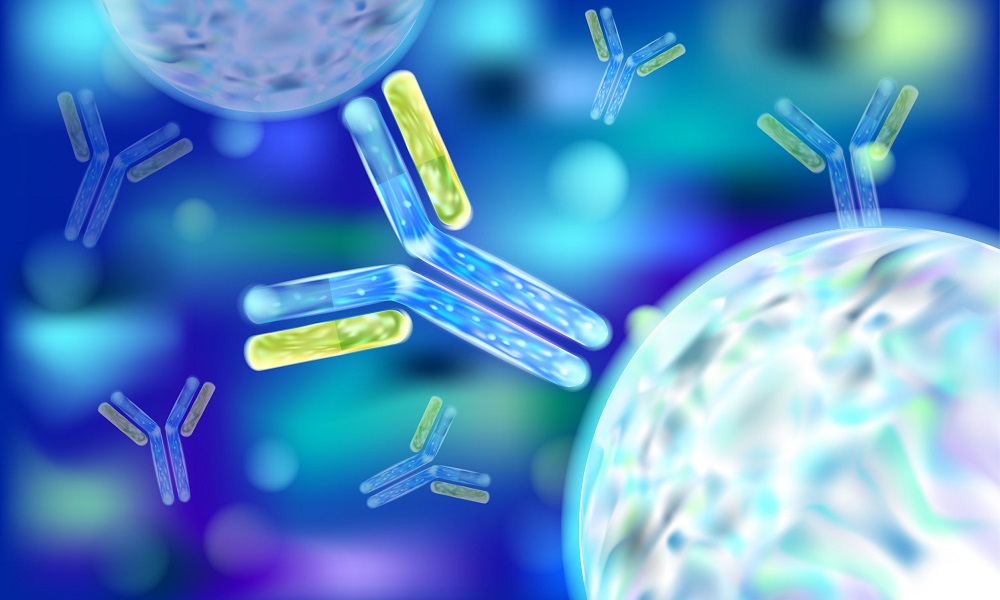
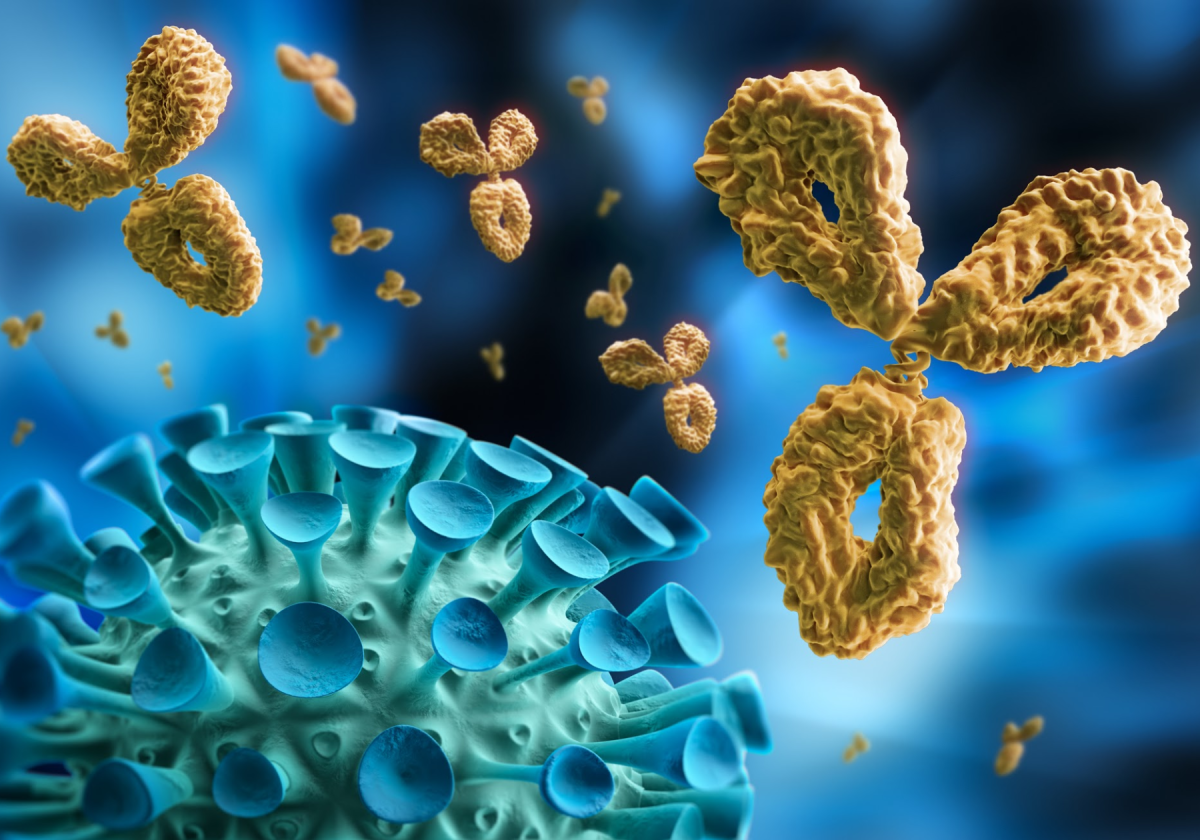
Vaccination and immunization techniques are the major ways used for the prevention of several fatal infectious diseases in humans and animals. Vaccination and immunization techniques help in strengthening the immune system and produces antibodies which can fight against the antigens produced by the pathogens causing diseases.
Vaccine Development
Vaccine development is a very long, complicated and tedious procedure including several complex processes usually lasting for 10-15 year. The various stages of vaccine development of a vaccine include exploratory stage, pre-clinical stage, clinical development, regulatory review and approval, manufacturing and Quality control.
Vaccine Testing and Regulation
The developed vaccines undergo a series of vaccine testing and regulation procedures before their final approval and marketing. Several vaccine testing and regulation procedures are involved in all the aspects of vaccine development, manufacturing, and marketing. Regulations pay a key role from the time of vaccine design and clinical testing, manufacturing and to when the final product is marketed worldwide.
Journal Impact Factor
2016 Journal Impact Factor is the ratio of the number of citations achieved in the year 2016 based on Google Search and Google Scholar Citations to the total number of articles published in the last two years i.e. in 2014 and 2015. Impact factor measures the quality of the Journal. If ‘X’ is the total number of articles published in 2014 and 2015, and ‘Y’ is the number of times these articles were cited in indexed journals during 2016 then, impact factor = Y/X.
Fast Editorial Execution and Review Process (FEE-Review Process):
Journal of Immunological Techniques & Infectious Diseases is participating in the Fast Editorial Execution and Review Process (FEE-Review Process) with an additional prepayment of $99 apart from the regular article processing fee. Fast Editorial Execution and Review Process is a special service for the article that enables it to get a faster response in the pre-review stage from the handling editor as well as a review from the reviewer. An author can get a faster response of pre-review maximum in 3 days since submission, and a review process by the reviewer maximum in 5 days, followed by revision/publication in 2 days. If the article gets notified for revision by the handling editor, then it will take another 5 days for external review by the previous reviewer or alternative reviewer.
Acceptance of manuscripts is driven entirely by handling editorial team considerations and independent peer-review, ensuring the highest standards are maintained no matter the route to regular peer-reviewed publication or a fast editorial review process. The handling editor and the article contributor are responsible for adhering to scientific standards. The article FEE-Review process of $99 will not be refunded even if the article is rejected or withdrawn for publication.
The corresponding author or institution/organization is responsible for making the manuscript FEE-Review Process payment. The additional FEE-Review Process payment covers the fast review processing and quick editorial decisions, and regular article publication covers the preparation in various formats for online publication, securing full-text inclusion in a number of permanent archives like HTML, XML, and PDF, and feeding to different indexing agencies.